
Why ChatGPT Competitors Are Growing Rapidly in 2026: The New AI Race Explained

Discover why ChatGPT competitors are growing rapidly in 2026, as AI innovation, lower costs, and specialized features reshape the market.
Why ChatGPT Competitors Are Growing Rapidly
Artificial intelligence has transformed from a niche technology into a mainstream tool used by millions of people every day. While ChatGPT helped bring generative AI into the public spotlight, it is no longer the only major player in the market. Across the technology industry, competitors are growing at an impressive pace, attracting users, investors, and businesses looking for alternatives.
In 2026, the AI landscape looks dramatically different than it did just a few years ago. New platforms are launching powerful models, introducing specialized features, and offering competitive pricing strategies. As a result, consumers and organizations now have more choices than ever before.
The rapid rise of ChatGPT competitors is not simply about challenging one company. It reflects a broader shift in the AI industry, where innovation is accelerating and competition is driving new developments at an unprecedented rate.
Understanding why these competitors are growing rapidly offers valuable insight into the future of artificial intelligence and how the market may evolve in the years ahead.
Why This Topic Matters
The growth of AI competition affects nearly everyone.
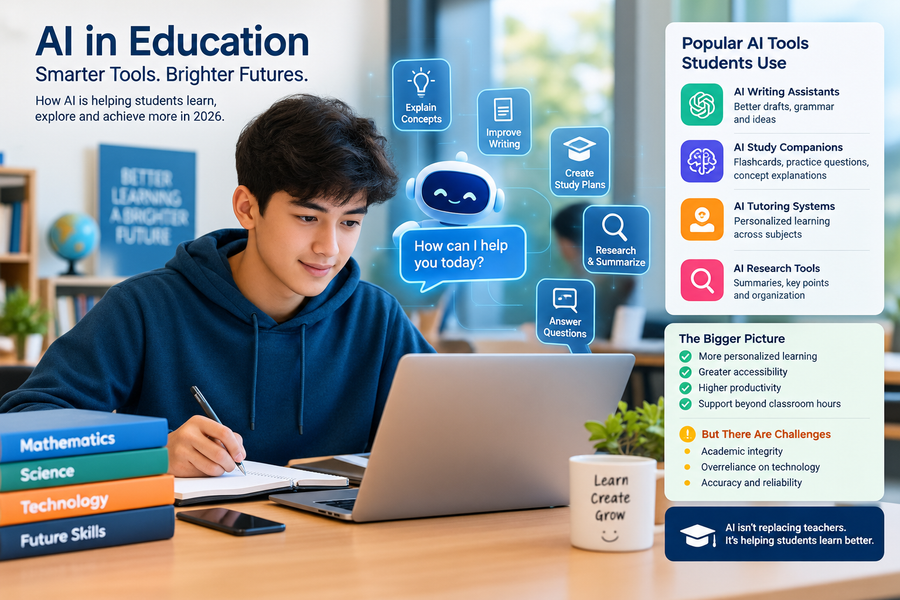
Businesses depend on AI tools for productivity and automation. Students use AI for learning and research. Developers rely on AI-powered coding assistants. Content creators increasingly use AI to generate ideas, write content, and create visuals.
As competition increases, users benefit from better products, lower costs, and more specialized solutions.
The expansion of AI alternatives also reduces reliance on a single platform. This growing diversity encourages innovation while giving consumers greater flexibility in choosing tools that best fit their needs.
The Rise of Generative AI
To understand why competitors are growing, it helps to look at how the AI market evolved.
When generative AI became widely available, ChatGPT quickly gained global attention. Its ability to generate human-like responses introduced millions of users to conversational AI for the first time.
However, the success of generative AI also created enormous opportunities for rivals.
Technology companies recognized that AI would become one of the most important industries of the decade. As investment surged, new competitors entered the market with ambitious goals and substantial resources.
Today, the AI ecosystem includes major technology companies, startups, research organizations, and open-source communities competing for market share.
Key Reasons ChatGPT Competitors Are Growing Rapidly
More Choices for Consumers
One of the biggest reasons competitors are expanding is simple: users want options.
Different AI platforms excel in different areas.
Some focus on writing assistance. Others specialize in research, coding, business productivity, or enterprise solutions.
As users discover tools tailored to specific tasks, they become more willing to explore alternatives instead of relying on a single AI assistant.
Specialized Features Drive Adoption
The AI market is becoming increasingly specialized.
Rather than attempting to serve every possible use case, many competitors focus on solving specific problems.
Examples include:
- Research-focused AI assistants
- Coding and software development tools
- Business productivity platforms
- Educational AI systems
- Content creation solutions
This specialization often delivers better results for targeted tasks, helping competitors attract dedicated user bases.
Enterprise Demand Is Expanding
Businesses represent one of the fastest-growing segments of the AI market.
Large organizations often require:
- Data privacy controls
- Regulatory compliance
- Custom integrations
- Industry-specific capabilities
- Enhanced security measures
Many AI providers are developing enterprise-focused solutions designed specifically for corporate environments.
As companies evaluate multiple vendors, competitors gain opportunities to win contracts and expand their market presence.
The Impact of Major Technology Companies
Increased Investment
Large technology firms have invested billions of dollars into AI development.
These investments support:
- Advanced model training
- Infrastructure expansion
- Product development
- Research initiatives
The result is a highly competitive environment where multiple companies can build sophisticated AI systems capable of challenging established leaders.
Ecosystem Advantages
Many competitors benefit from existing ecosystems.
Companies that already offer search engines, cloud platforms, productivity software, or developer tools can integrate AI directly into products that millions of people already use.
This creates a natural pathway for adoption and allows competitors to grow rapidly without building an audience from scratch.
Open-Source AI Is Changing the Market
One of the most important developments in recent years has been the growth of open-source AI.
Open-source models give developers and organizations more flexibility.
Benefits include:
- Greater customization
- Reduced costs
- Increased transparency
- Faster innovation
Many businesses prefer solutions they can modify and control rather than relying entirely on proprietary systems.
This trend has created new opportunities for AI companies that support open-source ecosystems.
Pricing Competition Is Attracting Users
Cost remains a major factor in AI adoption.
As competitors enter the market, many are offering:
- Free plans
- Lower subscription costs
- Flexible pricing structures
- Usage-based billing
This competition makes advanced AI technology more accessible to individuals and small businesses.
In many cases, users test several AI platforms before deciding which service provides the best value.
The result is a more dynamic and competitive marketplace.
Recent Developments Fueling Growth
Better AI Models
AI models have improved significantly over the past few years.
Modern systems offer:
- Stronger reasoning abilities
- Better contextual understanding
- Faster response times
- Improved accuracy
- Multimodal capabilities
These advancements reduce performance gaps between leading providers.
As quality improves across the industry, users become more willing to explore alternatives.
Multimodal Capabilities
AI is no longer limited to text.
Many platforms now support:
- Images
- Audio
- Video
- Documents
- Voice interactions
This expansion creates entirely new use cases and attracts users looking for comprehensive AI experiences.
AI Agents and Automation
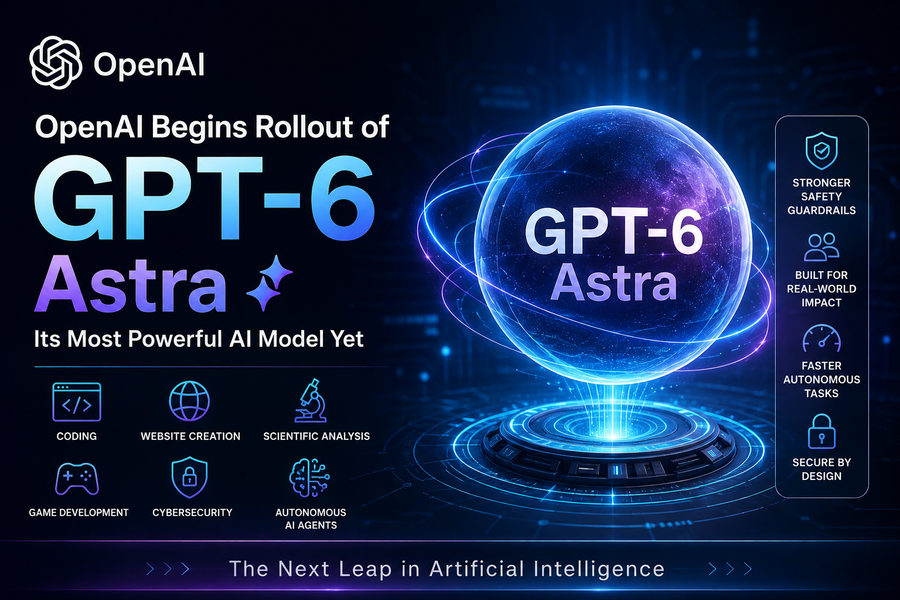
One of the fastest-growing areas of artificial intelligence is autonomous AI agents.
Unlike traditional chatbots, AI agents can:
- Complete multi-step tasks
- Manage workflows
- Interact with software
- Automate business processes
Companies investing heavily in agent technology are attracting significant attention from both consumers and enterprises.
Expert Analysis: The Market Is Maturing
The rapid growth of ChatGPT competitors signals that the AI market is entering a new phase.
In the early stages of a technology revolution, one product often dominates public awareness.
Over time, however, competition increases as other companies identify opportunities to differentiate themselves.
The current AI market resembles previous technology shifts involving smartphones, search engines, cloud computing, and social media.
Leadership remains important, but innovation increasingly comes from multiple sources.
This creates a healthier ecosystem where companies must continually improve products to retain users.
The growing number of successful competitors suggests that the future of AI will be shaped by a diverse group of providers rather than a single dominant platform.
Challenges Facing AI Competitors
Despite rapid growth, competitors face significant challenges.
These include:
High Development Costs
Training advanced AI models requires substantial computing resources and investment.
Only well-funded organizations can compete at the highest level.
Regulatory Uncertainty
Governments continue to evaluate AI regulations related to:
- Privacy
- Security
- Transparency
- Copyright
- Consumer protection
Future regulations may influence how AI companies operate.
User Trust
Accuracy and reliability remain important concerns.
Companies must continue improving performance while addressing issues such as misinformation, bias, and security risks.
What Happens Next?
The AI race is likely to become even more competitive in the coming years.
Several trends are expected to shape the next phase of growth:
More Personalized AI
Future systems will better understand user preferences and provide customized assistance.
Industry-Specific Solutions
Healthcare, finance, education, and manufacturing are expected to see more specialized AI platforms.
Greater Integration
AI will become increasingly embedded in everyday software, reducing the need to switch between separate applications.
Continued Price Competition
Competition may drive lower costs and more generous free offerings for consumers.
Faster Innovation Cycles
Companies will continue releasing new features at a rapid pace as they compete for users and market share.
Frequently Asked Questions
1. Why are ChatGPT competitors growing so quickly?
They are growing due to increased AI investment, specialized features, enterprise demand, competitive pricing, and rapid technological innovation.
2. Are AI competitors better than ChatGPT?
Different platforms excel in different areas. Some perform better for coding, research, business productivity, or industry-specific tasks.
3. What role does open-source AI play?
Open-source AI allows developers and organizations to customize models, reduce costs, and accelerate innovation.
4. Why are businesses adopting multiple AI platforms?
Organizations often use different AI solutions for different needs, including security, compliance, productivity, and workflow automation.
5. Will one company dominate the AI industry?
While leading companies remain influential, the market is becoming increasingly competitive, making long-term dominance by a single provider less certain.
Conclusion
The rapid growth of ChatGPT competitors reflects the extraordinary pace of change in the artificial intelligence industry. As AI becomes more powerful, accessible, and specialized, users are discovering that different platforms offer unique advantages for different tasks.
Competition is driving innovation across the market, benefiting consumers, businesses, developers, and educators alike. Improved capabilities, lower costs, enterprise adoption, and the rise of open-source AI are all contributing to the expansion of alternative platforms.
Rather than signaling the decline of any single company, the success of AI competitors highlights the maturation of the entire industry. As the AI race continues, users can expect more choices, better technology, and a future where artificial intelligence plays an even larger role in everyday life.