


Saudi Arabia, UAE Renew Yemen Cooperation as Houthi Advances Raise Regional Tensions
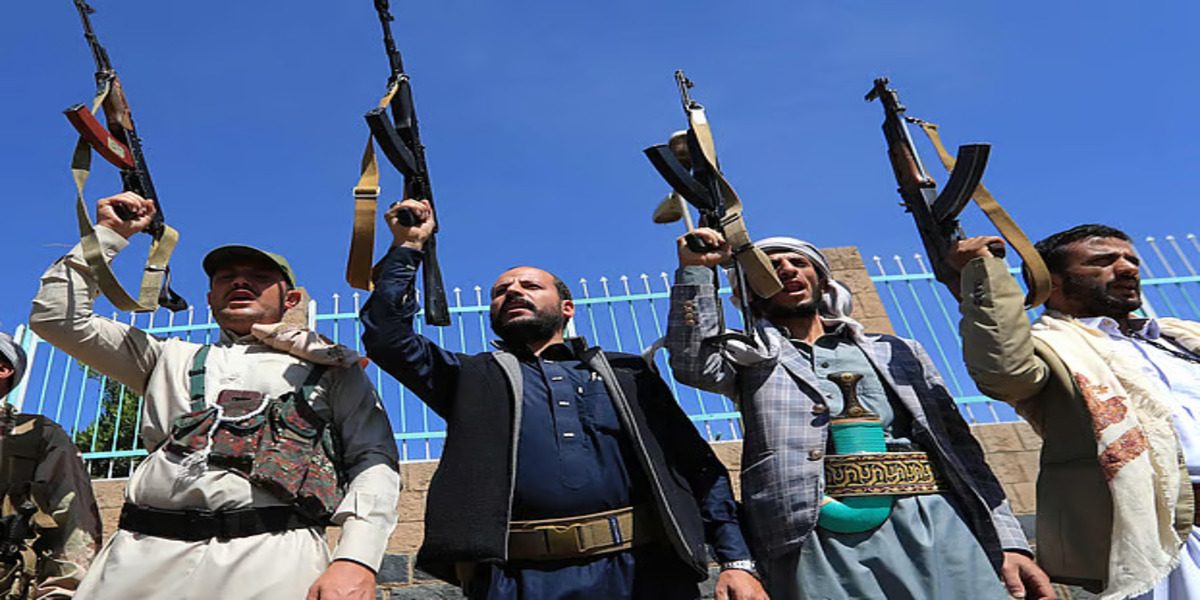
Saudi Arabia, Oct. 18 — Saudi Arabia and the United Arab Emirates are reportedly exploring renewed cooperation to counter advances by Iran-backed Houthi rebels in Yemen, a development that could reshape the conflict and ease tensions between the two Gulf powers.
Yemeni sources told the British newspaper The Guardian that the UAE may resume funding government-aligned forces fighting the Houthis in southern Yemen, while Saudi Arabia would provide air cover for those forces.
The reported arrangement comes amid growing concern over Houthi advances and renewed attacks targeting Saudi Arabia. The two countries have long differed over Yemen’s political future, particularly the status of the country’s south.
Saudi Arabia has faced repeated drone and missile attacks attributed to the Houthis, disrupting operations at airports and energy facilities, according to the report.
UAE may resume funding anti-Houthi forces
The UAE previously trained and funded the Giant Brigades, one of the most prominent forces fighting the Houthis in southern Yemen.
However, Abu Dhabi withdrew from military operations against the rebels in January amid tensions with Riyadh. Funding for the Giant Brigades was also suspended.
The potential resumption of support would mark a significant shift in cooperation between the two countries, whose competing interests have complicated efforts to shape Yemen’s postwar future.
Neither Saudi Arabia nor the UAE was cited as having formally confirmed the reported arrangement.
Southern Yemen remains a point of contention
The future of southern Yemen remains a major source of disagreement between Riyadh and Abu Dhabi.
Separatists in the south called this week for a referendum on independence. Neither country has publicly responded to the demand, according to the report.
North and South Yemen existed as separate states until unification in 1990. A referendum could reopen the question of restoring the former southern state’s borders.
The Southern Transitional Council (STC), a separatist group backed by the UAE, has resisted deploying its forces beyond the boundaries of the former South Yemen.
That position could change if Saudi Arabia explicitly supports a referendum, the report said.
STC leader Aidarus al-Zoubaidi fled to Abu Dhabi after an unsuccessful attempt in January to seize control of southern Yemen and announce plans for an independence referendum within two years.
Saudi Arabia subsequently bombed a shipment of weapons reportedly sent by the UAE for STC forces. Abu Dhabi later announced its withdrawal from military activities in Yemen, while the Saudi-backed Yemeni government said it intended to prosecute al-Zoubaidi on treason charges.
Houthis target strategic cities
UAE officials are concerned that the Houthis remain determined to capture Taiz and Marib despite suffering significant losses, The Guardian reported.
Both cities lie outside the boundaries of the former South Yemen and hold strategic importance in the wider conflict.
The internationally recognized Yemeni government, based in Aden, launched a counteroffensive last week aimed at driving the Houthis out of the capital, Sanaa. Its progress has so far been limited around Majzar, near Marib, and the Bab al-Mandeb Strait.
Yemeni Information Minister Moammar al-Eryani said two missiles landed near Aden airport on Friday while a Yemenia Airways passenger aircraft was preparing for departure.
The missiles landed about 500 meters from the aircraft and roughly 100 meters from the middle of the runway, he said. No casualties were reported in the incident.
A day earlier, a Houthi attack on the presidential palace in Aden killed at least five people and wounded 16, according to the report.
Egypt signals support for Saudi Arabia
Egyptian President Abdel Fattah al-Sisi said he would convene an emergency parliamentary session to authorize the measures necessary to protect Saudi Arabia.
Sisi stressed that Egypt would not take offensive action and that any military measures would be defensive.
Saudi Arabia has also sought additional military assistance from the United Kingdom. Britain has already deployed an RAF Voyager aircraft used for air-to-air refueling, while regional diplomats have called for a greater British role.
Officials are also discussing whether Saudi Arabia should strengthen coordination with other Gulf countries, including Oman and Qatar.
UK weighs legal implications of military support
Britain is considering the legal implications of providing expanded support for Saudi-led military operations in Yemen.
In 2019, the UK Court of Appeal ruled that the British government had acted unlawfully in granting arms export licenses for Saudi Arabia during its bombing campaign in Yemen in 2015 and 2016.
The Campaign Against Arms Trade argued that the government failed to properly assess the risk of violations of international humanitarian law. The British government subsequently revised its assessment process.
Saudi Arabia maintains that it has significantly changed its military procedures since then and says its actions are consistent with its right to self-defense under the United Nations Charter.
According to The Guardian, the UN Security Council adopted a presidential statement on Oct. 15 recognizing Saudi Arabia’s right to self-defense under international law.
Displacement adds to humanitarian concerns
The precise death toll from the renewed fighting that began in August remains unclear.
More than 200,000 people have been displaced, according to UN figures cited in the report, adding to pressure on humanitarian organizations operating from Aden.
Any renewed Saudi-Emirati coordination could strengthen forces opposing the Houthis. However, its effectiveness will depend on developments on the battlefield and whether Riyadh and Abu Dhabi can manage their persistent disagreements over Yemen’s political future.