



Trump Suspends Tariff Threat Against Russian Energy Buyers Before Rollout
President Donald Trump has suspended planned Russia-related tariffs and sanctions ahead of enforcement, citing U.S. national interests and drawing criticism from a Democratic lawmaker.
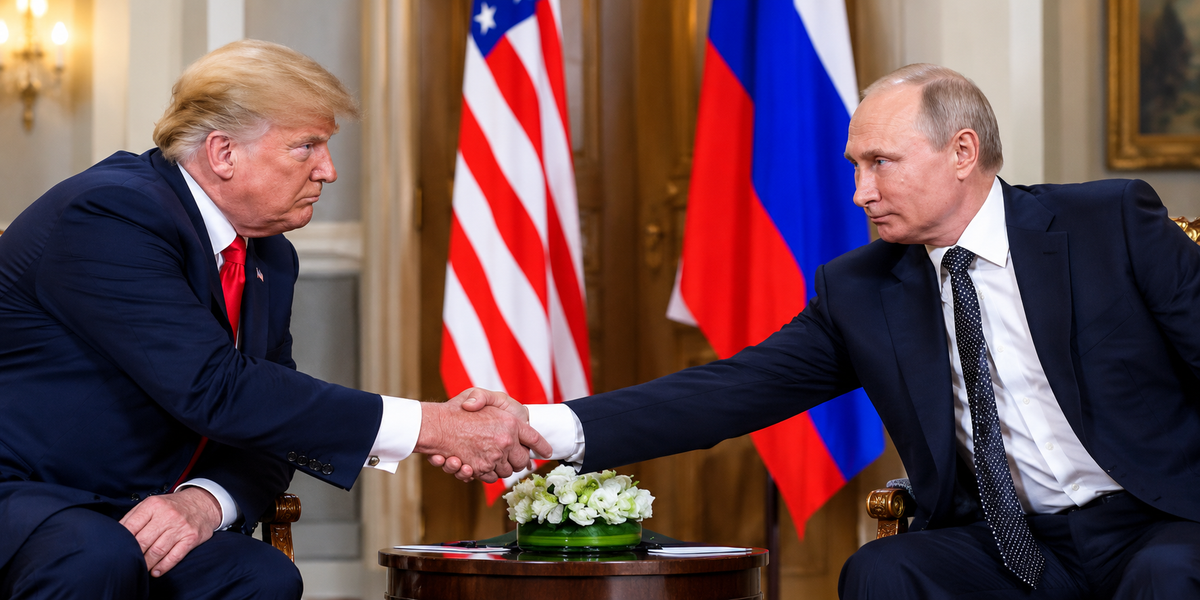
WASHINGTON, Oct. 17, 2026 — U.S. President Donald Trump has suspended new tariffs and sanctions targeting Russia just one day before they were due to take effect, citing U.S. national interests, according to an executive order released by the White House on Friday.
Trump signed legislation last month authorizing tariffs on Russian goods and punitive measures against countries that purchase Russian oil and gas. The measures were intended to increase economic pressure on Moscow over its war in Ukraine.
Under the legislation, the United States could impose tariffs of up to 100% on goods from the five largest importers of Russian crude oil and natural gas. The law also provided for penalties against countries that knowingly continued buying Russian energy or helped Moscow evade sanctions.
The executive order states that the suspension will remain in effect until Trump or senior administration officials make a further decision.
The move drew criticism from Rep. Don Beyer, a Virginia Democrat, who accused Trump of yielding to Russian President Vladimir Putin and undermining congressional efforts to hold Moscow accountable for its invasion of Ukraine.
In a statement, Beyer said the decision betrayed Ukraine’s U.S. partners and disregarded Congress’ intent to penalize Russia for its aggression.
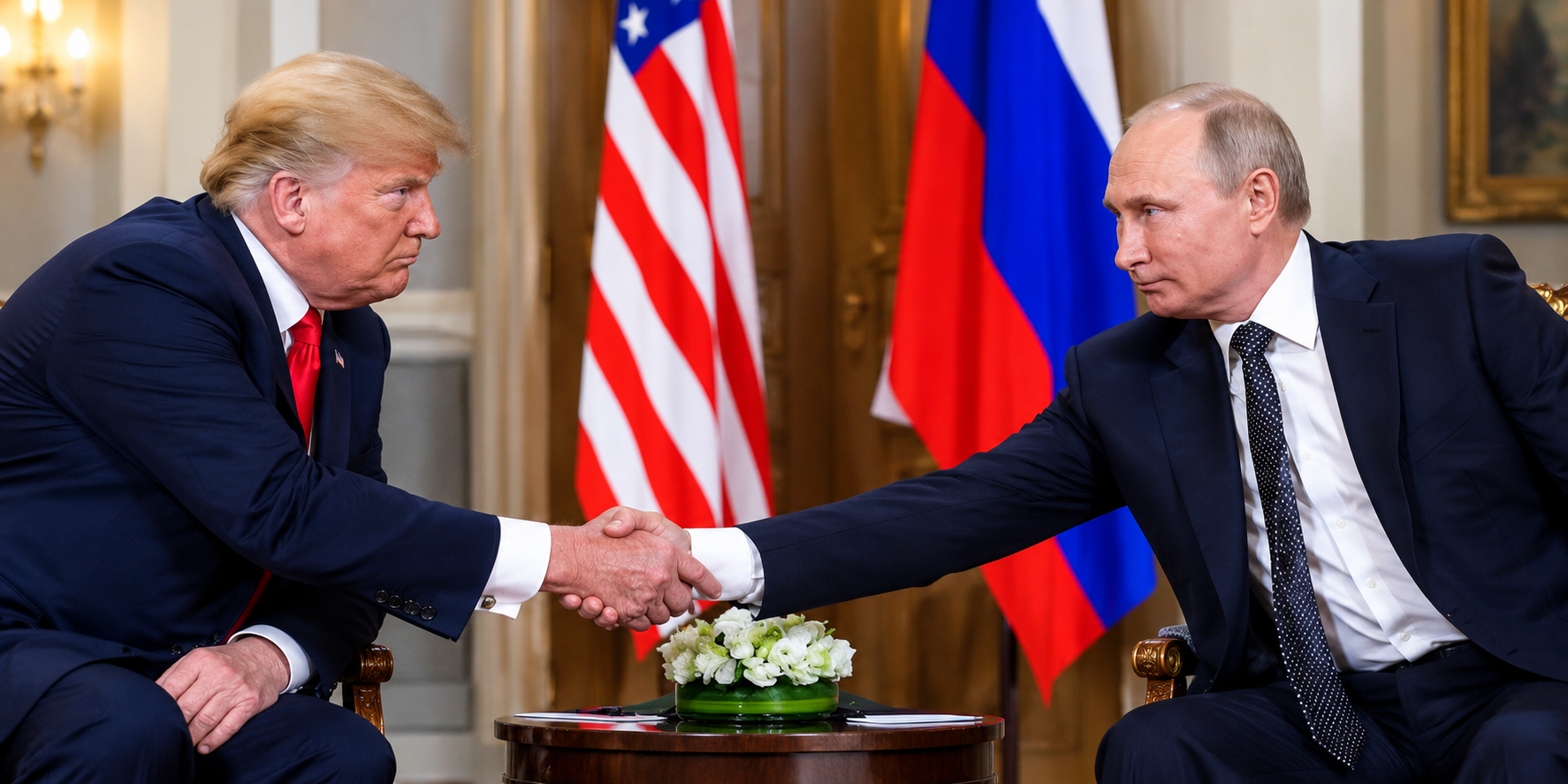
Trump has recently adopted a comparatively conciliatory stance toward Moscow while criticizing Ukrainian President Volodymyr Zelenskyy. He has also suggested that Ukraine should hold a new leadership election.
Analysts have warned that implementing the tariffs and sanctions could have pushed global oil prices higher. U.S. consumers are already facing pressure from rising energy costs following U.S. and Israeli military action against Iran.
Trump has also faced criticism over a recent arrangement involving Russian diesel supplies. Under the reported agreement, his administration agreed to ease restrictions on Russian energy exports in exchange for additional diesel supplies to the global market, with the aim of lowering fuel prices. Some U.S. senators, including Republicans, criticized the move.
The decision comes as Trump’s Republican Party seeks to retain its majorities in both chambers of Congress ahead of the U.S. midterm elections.