

The Ultimate Guide to Starting a Zero-Waste Kitchen on a Budget: Save Money While Reducing Waste
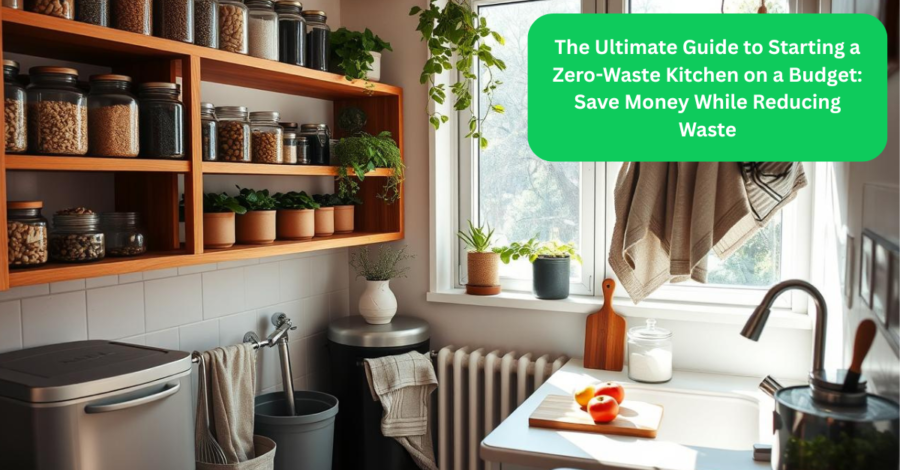
Learn how to start a zero-waste kitchen on a budget with practical tips, affordable swaps, and smart strategies to reduce waste and save money.
The Complete Guide to Budget-Friendly Zero-Waste Kitchen Installation
Creating a zero-waste kitchen may sound expensive, but it doesn’t have to be. In fact, many of the habits that reduce household waste also help save money over time. From cutting food waste to replacing disposable products with reusable alternatives, building a more sustainable kitchen is achievable for nearly every household.
As environmental concerns continue to grow and grocery prices remain high, more people are looking for practical ways to live sustainably without stretching their budgets. The kitchen is one of the easiest places to begin because it is where much of a household’s waste is generated.
Whether you’re just starting your sustainability journey or looking to improve your current habits, this guide explains how to create a zero-waste kitchen without making costly lifestyle changes.
Why a Zero-Waste Kitchen Matters
The average household throws away a surprising amount of food and packaging every year. Disposable plastics, paper products, and food scraps often end up in landfills, where they contribute to environmental pollution and greenhouse gas emissions.
Beyond the environmental impact, food waste also represents wasted money. Every spoiled vegetable, expired dairy product, or forgotten leftover is money that could have stayed in your wallet.
A zero-waste kitchen focuses on reducing unnecessary waste by making better purchasing decisions, using reusable products, and maximizing the value of every ingredient.
The goal is not perfection. Instead, it’s about making smarter choices that benefit both your finances and the environment.
Understanding the Zero-Waste Philosophy
Zero-waste living is based on reducing the amount of trash sent to landfills.
Rather than relying on recycling alone, the movement encourages people to rethink consumption habits using several simple principles:
- Refuse unnecessary items
- Reduce what you buy
- Reuse products whenever possible
- Repair instead of replacing
- Recycle responsibly
- Compost organic waste
When applied to the kitchen, these principles help minimize waste while encouraging more intentional shopping and cooking habits.
Start with What You Already Have
Avoid Buying Everything at Once
One of the biggest mistakes beginners make is replacing perfectly usable kitchen items with expensive eco-friendly alternatives.
A truly sustainable approach starts by using what you already own.
Continue using:
- Plastic containers
- Glass jars
- Water bottles
- Grocery bags
- Storage bins
- Kitchen utensils
Only replace items when they wear out or can no longer be safely used.
This strategy cuts down on extra waste and avoids wasteful spending.
Reduce Food Waste First
Plan Your Meals
Meal planning is one of the most effective ways to lower both food waste and grocery expenses.
Before shopping:
- Check your pantry
- Review your refrigerator
- Plan meals for the week
- Make a shopping list
- Buy only what you’ll use
Planning helps prevent impulse purchases that often end up being thrown away.
Store Food Properly
Many foods spoil early because they are stored incorrectly.
Simple improvements include:
- Keeping herbs in water
- Storing leafy greens in reusable containers
- Freezing extra bread
- Rotating older food to the front of shelves
Better storage extends freshness and reduces unnecessary waste.
Love Your Leftovers
Instead of throwing away extra food, reinvent it.
Examples include:
- Roasted vegetables become soup.
- Leftover rice becomes fried rice.
- Cooked chicken becomes sandwiches or salads.
- Overripe fruit becomes smoothies.
Creative cooking reduces waste while stretching your grocery budget.
Switch to Reusable Products
Affordable Reusable Alternatives
Many reusable kitchen products pay for themselves after repeated use.
Good options include:
- Cloth napkins
- Reusable shopping bags
- Glass food containers
- Stainless steel water bottles
- Beeswax wraps
- Silicone storage bags
- Refillable soap dispensers
You don’t need to buy everything immediately.
As disposable items run out, gradually replace them.
Buy in Bulk When Practical
Purchasing pantry staples in bulk often reduces packaging waste and lowers the cost per serving.
Good bulk purchases include:
- Rice
- Beans
- Pasta
- Oats
- Flour
- Nuts
- Lentils
- Dried fruit
Store bulk foods in reused glass jars or airtight containers to keep them fresh.
Buying only the quantity you need also prevents food waste.
Choose Durable Kitchen Tools
Cheap kitchen tools often break quickly and need replacing.
Instead of repeatedly buying low-quality items, invest in durable products that last for years.
Examples include:
- Cast iron cookware
- Stainless steel utensils
- Wooden cutting boards
- Glass measuring cups
- Quality chef’s knives
Although some items cost more upfront, their long lifespan makes them more economical over time.
Compost Kitchen Scraps
Not every food scrap belongs in the trash.
Fruit peels, coffee grounds, eggshells, vegetable trimmings, and tea leaves can often be composted.
Composting:
- Reduces landfill waste
- Improves soil quality
- Supports gardening
- Lowers methane emissions from decomposing food
Even apartment dwellers can explore countertop compost bins or community composting programs.
Cut Back on Single-Use Plastics
Plastic packaging remains one of the largest sources of household waste.
Simple ways to reduce plastic include:
- Carry reusable shopping bags
- Use refillable water bottles
- Bring reusable produce bags
- Buy products in recyclable packaging
- Choose glass instead of plastic when possible
Small changes become meaningful when practiced consistently.
Save Energy While Cooking
A sustainable kitchen also uses energy efficiently.
Easy habits include:
- Cooking multiple meals at once
- Using lids while boiling water
- Matching pot size to burner size
- Shutting off appliances while not in use
- Running full dishwasher loads
These habits lower electricity or gas bills while reducing environmental impact.
Recent Developments in Sustainable Living
Growing consumer awareness has encouraged retailers and manufacturers to expand eco-friendly product options.
Many grocery stores now offer:
- Refill stations
- Bulk food sections
- Compostable packaging
- Reusable produce bags
- Plastic-free household products
At the same time, advances in food preservation, reusable materials, and sustainable packaging are making zero-waste living more accessible than ever before.
Governments and businesses are also introducing initiatives aimed at reducing food waste and encouraging recycling, reflecting the increasing importance of sustainability in everyday life.
Expert Analysis: Small Changes Deliver Big Results
Many people assume living sustainably requires a complete lifestyle overhaul.
In reality, the biggest improvements often come from consistent small habits.
Reducing food waste by just a few meals each month can save hundreds of dollars annually.
Likewise, replacing disposable paper towels with washable cloths or using refillable containers instead of buying new plastic storage bags can generate long-term savings.
Experts emphasize progress over perfection.
Trying to eliminate all waste immediately often becomes overwhelming.
Instead, focusing on one habit at a time makes long-term success much more achievable.
Sustainability is built through consistency rather than expensive purchases.
What Happens Next?
Zero-waste kitchens are expected to become increasingly common as environmental awareness continues to grow.
Future developments may include:
- More refill stores
- Improved composting programs
- Smart food storage technology
- Better biodegradable packaging
- Expanded bulk shopping options
Consumers are also expected to see greater transparency from food manufacturers regarding packaging materials and sustainability practices.
As these innovations become more widespread, creating an affordable zero-waste kitchen will likely become even easier.
Frequently Asked Questions
1. Is starting a zero-waste kitchen expensive?
No. Many zero-waste habits actually reduce household expenses by minimizing food waste and replacing disposable products with reusable alternatives over time.
2. What should I replace first?
Start with items you regularly throw away, such as paper towels, plastic shopping bags, and disposable food storage products. Replace them gradually with reusable options.
3. Can I have a zero-waste kitchen in a small apartment?
Yes. Even without a large kitchen, you can reduce waste by meal planning, using reusable containers, buying only what you need, and participating in local composting programs if available.
4. Does buying in bulk always save money?
Not always. Bulk shopping works best for foods you use frequently and can store properly. Buying too much may lead to spoilage and unnecessary waste.
5. What’s the biggest source of kitchen waste?
For most households, food waste and single-use packaging make up the largest portion of kitchen trash. Addressing these areas offers the greatest opportunity for reducing waste and saving money.
Conclusion
Starting a zero-waste kitchen on a budget is less about buying expensive eco-friendly products and more about changing everyday habits. By planning meals, reducing food waste, choosing reusable alternatives, and making thoughtful purchasing decisions, households can lower their environmental impact while saving money.
The journey toward a more sustainable kitchen doesn’t require perfection or a large financial investment. Every reusable container, carefully planned grocery trip, and creative leftover meal contributes to a cleaner home and a healthier planet.
As sustainable products become more affordable and environmentally conscious living continues to gain momentum, there has never been a better time to begin building a zero-waste kitchen. Small, consistent actions today can lead to meaningful financial savings and lasting environmental benefits for years to come.