



Why Inflation Is Still Affecting American Families in 2026 Despite Slower Price Growth
Inflation may be cooling in 2026, but American families still face high living costs. Learn why prices remain elevated and what comes next.
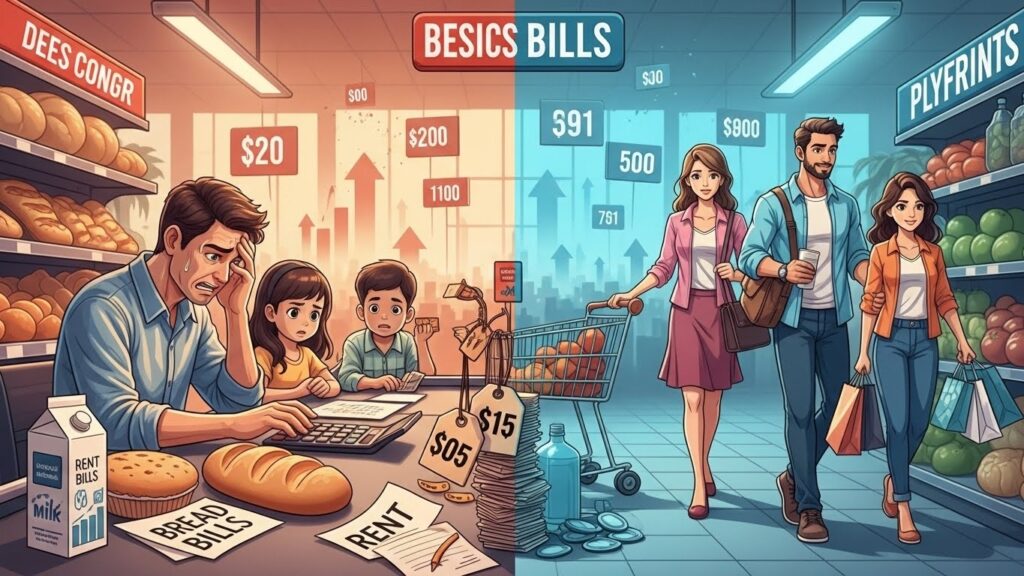
For many Americans, inflation remains one of the biggest financial challenges of 2026. While economists and policymakers point to signs that inflation has slowed compared to the rapid price increases seen earlier in the decade, millions of households continue to feel pressure every time they visit the grocery store, pay rent, or fill up their gas tanks.
The reality is that inflation does not disappear simply because the rate of price increases declines. Many prices that surged in previous years have remained high, creating long-term affordability issues for families across the United States.
As a result, Americans are adjusting spending habits, delaying major purchases, and searching for ways to stretch their budgets further. Understanding why inflation continues to affect everyday life helps explain the economic concerns that remain at the center of national discussions in 2026.
Why Inflation Still Matters in 2026
Inflation refers to the general increase in prices over time. When inflation rises, consumers need more money to buy the same goods and services.
Although inflation rates have moderated compared to the peaks experienced earlier in the decade, the cumulative effect of several years of elevated prices has created lasting financial pressure.
Many Americans expected prices to return to pre-pandemic levels once inflation slowed. However, that is not how inflation typically works. Slower inflation means prices are rising more slowly—not falling back to previous levels.
This distinction is important because it explains why many households continue to feel financially squeezed even when economic reports suggest inflation is improving.
The Lasting Impact of Higher Prices
Grocery Bills Remain Elevated
Food costs continue to be one of the most visible examples of inflation’s impact.
Many staple products cost significantly more than they did just a few years ago. Families purchasing everyday essentials such as eggs, meat, dairy products, and fresh produce often notice that their weekly grocery budgets remain much higher than before.
Even when food inflation slows, consumers still pay the higher prices established during previous inflationary periods.
For lower-income households, these increases can consume a larger share of monthly income, leaving less money available for savings or discretionary spending.
Housing Costs Continue to Strain Budgets
Housing remains one of the largest expenses for American families.
Rent prices increased substantially in many regions during recent years, and housing affordability continues to be a major concern. While some markets have experienced slower rent growth, many renters are still paying historically high monthly rates.
Homebuyers face challenges as well. Higher mortgage rates combined with elevated home prices have made purchasing a home difficult for many first-time buyers.
As a result, housing costs continue to place significant pressure on household finances throughout 2026.
Healthcare and Insurance Expenses
Healthcare expenses have also contributed to financial stress.
Many Americans report higher costs for insurance premiums, prescription medications, and medical services. Even modest increases in healthcare spending can significantly affect family budgets, especially for retirees and households managing chronic health conditions.
Insurance costs beyond healthcare—including auto and homeowners insurance—have also increased in many parts of the country.
Wage Growth Has Not Solved Every Problem
One argument often made by economists is that wages have risen alongside inflation.
While many workers have received pay increases, wage growth has not been evenly distributed across industries and income levels.
Some workers have seen meaningful salary gains, while others have struggled to keep pace with rising expenses.
Even when wages increase, families may still feel financially constrained if housing, food, transportation, and healthcare costs rise faster than income growth.
This gap helps explain why consumer sentiment regarding personal finances remains mixed despite broader economic improvements.
Consumer Debt Is Increasing
Another reason inflation continues to affect families is the growing reliance on debt.
Many households have turned to credit cards to manage higher living expenses. As interest rates remain elevated compared to previous years, carrying credit card balances has become increasingly expensive.
Higher borrowing costs impact:
- Credit card debt
- Auto loans
- Personal loans
- Mortgage payments
For families already facing tight budgets, rising debt payments can create additional financial strain and reduce future purchasing power.
How Inflation Impacts Different Income Groups
Low-Income Households
Lower-income families typically spend a larger percentage of their income on necessities such as food, housing, and utilities.
Because these essential expenses have experienced substantial price increases, inflation often hits lower-income households the hardest.
These families generally have fewer financial resources available to absorb unexpected costs.
Middle-Class Families
Middle-class households face unique challenges.
While many continue to maintain stable employment, they often experience pressure from multiple directions, including childcare costs, housing expenses, healthcare bills, and education-related spending.
Many middle-income families report feeling that their paychecks do not stretch as far as they once did.
Higher-Income Households
Higher-income earners are generally better positioned to absorb rising costs. However, inflation still affects investment decisions, purchasing behavior, and long-term financial planning.
Even affluent households have become more selective with discretionary spending due to economic uncertainty.
Recent Economic Developments in 2026
Several economic trends are shaping the inflation outlook in 2026.
Supply chain disruptions that contributed to earlier inflationary pressures have largely eased. Labor markets remain relatively strong, supporting consumer spending and wage growth.
However, some sectors continue to experience pricing pressures.
Housing shortages in many metropolitan areas continue to support higher housing costs. Global energy markets remain vulnerable to geopolitical developments, creating potential risks for fuel prices.
In addition, businesses continue to face higher operating expenses than before the inflation surge, which can keep consumer prices elevated.
These factors help explain why inflation has become less severe but remains an important economic issue.
The Psychological Effect of Inflation
Inflation affects more than just numbers on a receipt.
It also influences consumer confidence and financial behavior.
When families repeatedly encounter higher prices, they often become more cautious about spending. This can lead to delayed purchases, reduced discretionary spending, and increased focus on saving.
Many consumers continue to compare current prices with what they paid several years ago, reinforcing the perception that affordability remains a challenge.
This psychological impact can persist even when inflation rates decline.
What Happens Next?
Looking ahead, economists expect inflation to remain a closely watched issue throughout 2026 and beyond.
Several factors will influence future price trends:
- Federal Reserve monetary policy
- Labor market conditions
- Housing supply growth
- Energy prices
- Consumer spending patterns
- Global economic developments
Most forecasts suggest inflation will remain lower than the highs seen earlier in the decade. However, prices are unlikely to return to previous levels.
Instead, policymakers will focus on maintaining price stability while supporting economic growth and employment.
For consumers, adapting to a higher-cost environment may continue to be a key financial challenge in the coming years.
Frequently Asked Questions
1. Why do Americans still feel inflation if inflation rates are lower?
Lower inflation means prices are increasing more slowly, not decreasing. Consumers are still paying the higher prices established during previous inflationary periods.
2. Which expenses are most affected by inflation in 2026?
Housing, groceries, healthcare, insurance, and transportation costs remain among the most significant sources of financial pressure for households.
3. Are wages keeping up with inflation?
Some workers have seen wage growth that matches or exceeds inflation, but many households continue to struggle because essential living costs remain high.
4. Will prices return to pre-2020 levels?
In most cases, prices are unlikely to return to earlier levels. Economic systems generally aim for stable prices rather than widespread price declines.
5. How can families manage inflation-related challenges?
Many families are focusing on budgeting, reducing high-interest debt, increasing savings, comparing prices, and prioritizing essential spending.
Conclusion
Inflation may no longer be making headlines at the same intensity as it did in previous years, but its effects remain deeply embedded in the daily lives of American families. Higher prices for housing, food, healthcare, and other necessities continue to strain household budgets, even as overall inflation rates moderate.
The challenge facing many Americans in 2026 is not rapid inflation alone—it is adjusting to a new cost-of-living reality shaped by years of cumulative price increases. While economic conditions have improved in several areas, affordability remains a significant concern for millions of households.
As policymakers, businesses, and consumers navigate the evolving economic landscape, inflation will continue to influence financial decisions, consumer confidence, and the broader outlook for the U.S. economy.