



Google and Apple Clash With the EU Over the Future of AI Assistants
Google and Apple are challenging the EU's approach to regulating AI assistants. Learn how this clash could shape the future of artificial intelligence, digital competition, and user experience across Europe.

Google and Apple have a significant advantage in the AI race due to their control over billions of smartphones worldwide. This position has drawn the attention of the European Commission, which is now focused on the implications for AI assistants.
Together, Google and Apple dominate the smartphone market, with approximately 5 billion active Android phones and iPhones globally, according to market research firm Omdia. As AI becomes increasingly prevalent and specialized, both companies are enhancing their AI assistants to perform tasks beyond simply answering questions.
However, the European Commission aims to ensure that other virtual assistants gain equal prominence on smartphones alongside Google’s Gemini and Apple’s Siri. The Commission is demanding that Google provide broader access to Android for other AI agents by July 2027. This requirement is part of the Digital Markets Act (DMA), a set of regulations for Big Tech that took effect in the EU in 2023.
The Commission believes this new mandate will help level the playing field in the AI competition, affecting about 427 million iPhones and Android phones within the EU, according to Omdia.
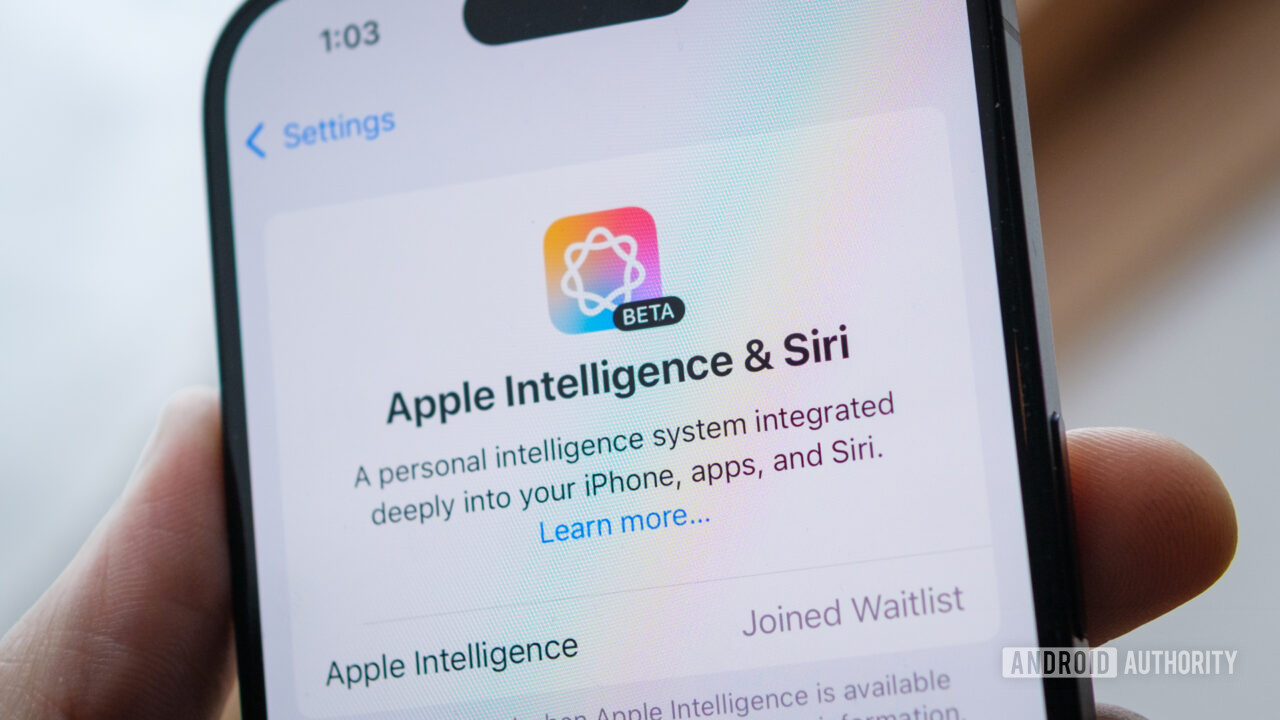
In response, Apple and Google argue that opening up their platforms could pose significant privacy risks. Apple announced in June that it would not release its new Siri AI assistant on iPhones and iPads in the EU due to the Digital Markets Act.

Experts generally agree that granting external services access to Apple’s and Google’s operating systems could compromise security and user privacy. However, some question whether privacy genuinely drives Google’s opposition to the EU’s regulations.
Calli Schroeder, senior counsel and director of the AI & Human Rights program at the Electronic Privacy and Information Center, stated, “We need to consider these tech companies’ arguments critically and evaluate whether they have genuinely prioritized privacy before decisions began impacting them negatively.”
**Opening Up Android**
The European Commission wants Android users in the EU to have a “wider and more feature-rich range of options” regarding AI and search services. According to a press release last week, EU users should be able to access other AI agents via voice commands and use third-party AI agents to operate apps, just as they would with Google’s Gemini. The Commission also seeks to have Google share search data with other search engines and AI chatbots, allowing competitors to provide services similar to Google Search. Google is expected to start sharing search data in January under the new regulations.
Google contends that these Android changes would pose major security risks by granting external apps “sensitive and powerful device permissions.” Kent Walker, Google and Alphabet’s president of global affairs, expressed concerns that sharing search data would weaken privacy for citizens, jeopardize business trade secrets, and even endanger national security.
Sameer Samat, Google’s Android president, stated in an X post on Friday that the European Commission “is on the wrong track” with its rules, suggesting that users can change their default AI assistant on their own through the settings menu on Android phones.
Apple has echoed similar privacy concerns, arguing that the EU’s requirements would compel the company to “give any virtual assistant direct access to users’ private data.” Apple indicated that it had proposed solutions that were rejected by the EU and will continue to engage with regulators. A spokesperson from the European Commission has confirmed regular communication with Apple regarding the matter.
The enforcement of regulations like the Digital Markets Act may also influence Apple and Google’s control over their smartphone software. ChatGPT is already installed on about 30% of EU smartphones, and the EU’s rules could further benefit OpenAI. Analyst Runar Bjorhovde remarked, “The question is what the implications could be for Google or consumers if users can utilize ChatGPT to book an Uber, completely bypassing their interaction with Android.”
**Privacy Concerns**
The EU’s new mandate raises important questions about privacy in the age of AI and the challenges that tech companies and regulators face in addressing these issues.
Without adequate protections embedded in the software, granting apps deeper access to Android or iOS could potentially allow them to secretly collect information from users’ devices, Schroeder warned.
Additionally, what happens when an AI assistant malfunctions? If an AI agent has access to sensitive information such as messages, location data, and device screens or microphones, the consequences could be severe.
Michael Stokes, a tech analyst, cautioned that an AI could misuse its delegated authority, conducting actions that the user did not intend.