



What’s Driving the Rise of Side Hustles in America? The Economic and Digital Forces Behind the Trend

Discover why side hustles are booming across America, the economic factors driving growth, and what the future holds for gig workers and entrepreneurs.
What’s Driving the Rise of Side Hustles in America?
Introduction
The American workforce is changing rapidly. For millions of people, a traditional nine-to-five job is no longer the only source of income. Instead, side hustles have become a defining feature of modern work culture.
From driving for ride-sharing services and selling products online to freelancing and content creation, Americans are increasingly turning to secondary income streams. What was once considered a temporary way to earn extra cash has evolved into a significant economic trend.
The rise of side hustles in America reflects broader shifts in technology, employment patterns, and financial pressures. As living costs continue to rise and digital tools become more accessible, more workers are seeking ways to diversify their income and gain greater financial control.
Understanding why side hustles are becoming so popular offers insight into the future of work and the challenges facing households across the United States.
Why Side Hustles Matter
Side hustles are more than a personal finance trend. They are becoming an important part of the U.S. economy.
Many Americans use side jobs to supplement wages, manage debt, save for major purchases, or build long-term wealth. Others see side hustles as a pathway to entrepreneurship and independence.
The growing popularity of these ventures highlights changing attitudes toward employment. Workers increasingly value flexibility, autonomy, and the ability to generate income on their own terms.
For policymakers, employers, and economists, the trend also raises important questions about wage growth, job security, and workforce participation.
The Economic Pressures Driving Side Hustles
Rising Cost of Living
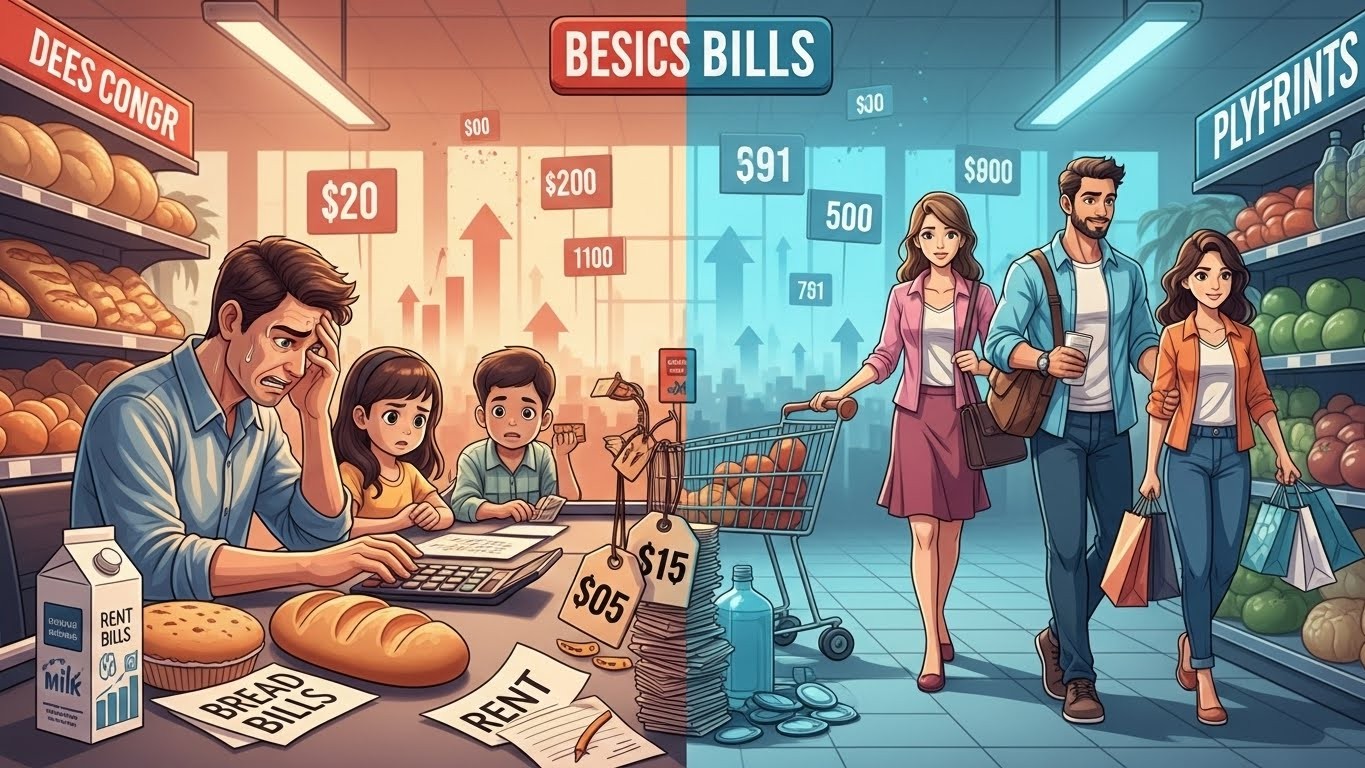
One of the biggest factors fueling side hustle growth is the increasing cost of living.
Housing, groceries, healthcare, childcare, and transportation expenses have climbed significantly over the past several years. While wages have risen in some sectors, many households continue to feel financial pressure.
As a result, workers are seeking additional sources of income to keep pace with everyday expenses.
For many families, a side hustle is no longer a luxury. It has become a practical financial strategy.
Inflation’s Lasting Impact
Although inflation rates have moderated compared to their peak levels, consumers continue to face higher prices than they did before the pandemic.
Many Americans have adjusted by finding flexible ways to boost earnings. Whether through freelance work, online sales, or gig economy platforms, side hustles provide an opportunity to offset higher costs.
Concerns About Financial Security
Economic uncertainty has also contributed to the trend.
Layoffs in certain industries, concerns about recession risks, and changing labor market conditions have encouraged workers to build alternative income streams.
Having multiple sources of income can reduce dependence on a single employer and provide a financial safety net during uncertain times.
Technology Has Made Side Hustles Easier Than Ever
Digital Platforms Create New Opportunities
Technology has dramatically lowered barriers to entry.
Today, individuals can launch businesses, offer services, and find customers directly through online platforms.
Freelancers can connect with clients worldwide. Artists can sell digital products. Entrepreneurs can start e-commerce stores with minimal upfront investment.
The internet has created opportunities that simply did not exist for previous generations.
The Growth of Remote Work
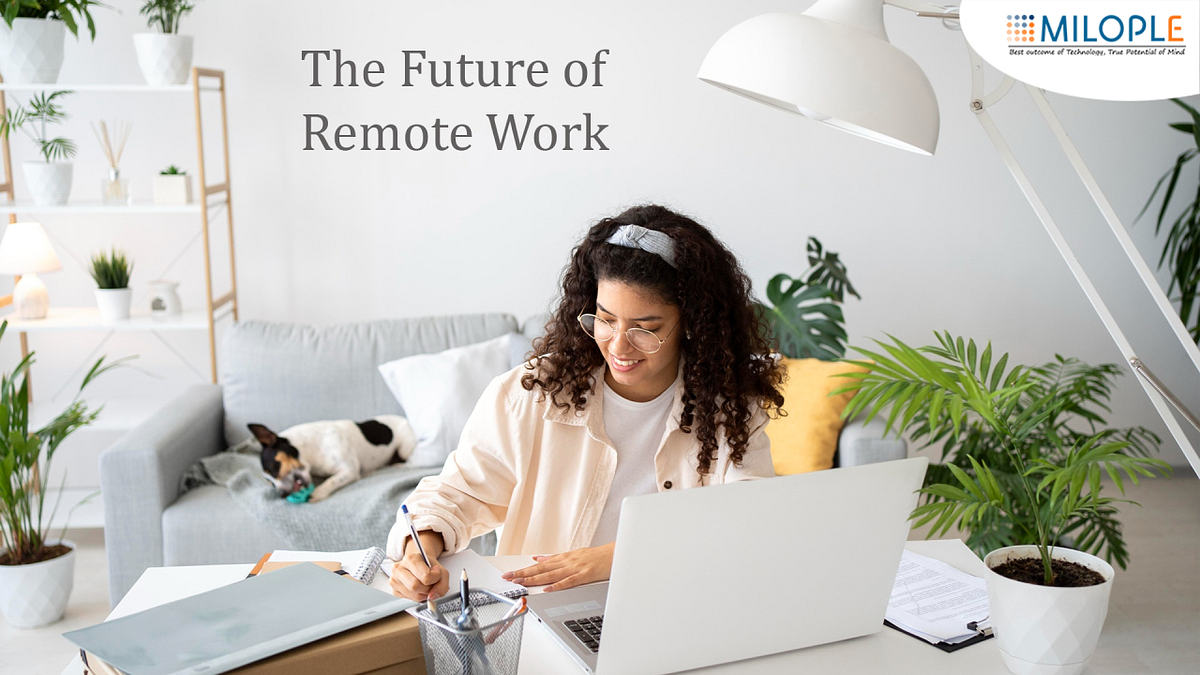
The expansion of remote work has also played a major role.
During and after the COVID-19 pandemic, millions of Americans became comfortable working online. This shift increased awareness of digital income opportunities.
Workers who gained experience using remote collaboration tools discovered they could leverage their skills outside their primary jobs.
As a result, consulting, freelancing, tutoring, and virtual assistance services have grown substantially.
Social Media and the Creator Economy
Social media platforms have transformed ordinary individuals into entrepreneurs.
Content creators can generate income through sponsorships, advertising revenue, subscriptions, affiliate marketing, and product sales.
While only a small percentage earn substantial incomes, the possibility of monetizing personal interests has encouraged many Americans to experiment with side projects.
The creator economy continues to expand as audiences spend more time consuming digital content.
Changing Attitudes Toward Work
Younger Generations Embrace Flexibility
Millennials and Generation Z are helping reshape workplace expectations.
Many younger workers prioritize flexibility and work-life balance over traditional career paths. Rather than relying exclusively on one employer, they often seek diverse income streams that provide greater control over their schedules.
This mindset aligns naturally with side hustle culture.
Entrepreneurship Is More Accessible
Starting a business once required significant capital and infrastructure.
Today, entrepreneurs can launch websites, market products, process payments, and reach customers with relatively low startup costs.
As entrepreneurship becomes more accessible, side hustles often serve as testing grounds for future businesses.
Many successful companies began as small projects pursued during evenings and weekends.
Personal Fulfillment Matters
Not all side hustles are motivated by financial necessity.
Some people use side projects to explore passions, develop skills, or pursue creative interests.
A teacher may start a tutoring business. A graphic designer may sell artwork online. A fitness enthusiast may offer coaching services.
These ventures allow individuals to find personal satisfaction while earning additional income.
Popular Side Hustle Categories in America
Freelancing
Freelance work remains one of the fastest-growing side hustle categories.
Writers, designers, developers, marketers, consultants, and virtual assistants can often work with clients remotely while maintaining full-time employment.
E-Commerce
Online selling has become increasingly popular.
Individuals use marketplaces and personal websites to sell handmade goods, vintage items, digital products, and branded merchandise.
The growth of e-commerce tools has simplified inventory management, marketing, and payment processing.
Gig Economy Services
Ride-sharing, food delivery, and task-based platforms continue to attract workers seeking flexible earning opportunities.
These jobs typically allow individuals to choose their schedules and work as much or as little as they prefer.
Content Creation
Blogging, podcasting, video production, and social media influencing have become legitimate side income opportunities.
While success often requires significant effort and consistency, the potential for scalable income attracts many aspiring creators.
Challenges and Risks of Side Hustles
Despite their benefits, side hustles are not without challenges.
Time Management Difficulties
Balancing a full-time job, personal responsibilities, and a side business can lead to burnout.
Many workers struggle to maintain healthy boundaries between work and personal life.
Tax and Financial Complexity
Additional income often brings tax obligations and record-keeping requirements.
Individuals may need to track expenses, manage quarterly tax payments, and understand self-employment regulations.
Income Uncertainty
Unlike traditional employment, many side hustles do not provide predictable earnings.
Income can fluctuate based on demand, market conditions, and platform changes.
Workers must be prepared for periods of lower revenue.
What Happens Next?
The rise of side hustles shows no signs of slowing.
The following trends are probably going to influence the future:
More AI-Powered Opportunities
Artificial intelligence tools are helping entrepreneurs create content, automate tasks, and improve productivity.
These technologies may lower barriers even further for aspiring side hustlers.
Expansion of the Creator Economy
Digital creators are expected to gain access to more monetization options as platforms compete for talent and audiences.
Growth of Specialized Freelancing
As businesses seek specialized expertise, freelancers with niche skills may find increasing opportunities.
Hybrid Careers Become Common
The distinction between employee and entrepreneur may continue to blur.
More Americans could maintain traditional jobs while simultaneously operating businesses or freelance practices.
Frequently Asked Questions
1. Why are side hustles becoming more popular in America?
Rising living costs, economic uncertainty, digital technology, and changing attitudes toward work have all contributed to the growing popularity of side hustles.
2. What is the most common type of side hustle?
Freelancing, online selling, ride-sharing, food delivery, and content creation are among the most common side hustle categories.
3. Are side hustles replacing traditional jobs?
In most cases, side hustles supplement traditional employment rather than replace it. However, some individuals eventually transition their side businesses into full-time careers.
4. How much money can people earn from a side hustle?
Earnings vary widely depending on the type of work, time commitment, skills, and market demand. Some earn a few hundred dollars monthly, while others build substantial businesses.
5. What skills are most valuable for side hustles?
Digital marketing, writing, graphic design, coding, consulting, sales, content creation, and project management are among the most sought-after skills.
Conclusion
The rise of side hustles in America reflects a broader transformation in how people think about work, income, and financial security. Economic pressures, technological advancements, and changing workforce expectations have combined to create an environment where earning income outside a primary job is increasingly common.
For many Americans, side hustles provide flexibility, opportunity, and a sense of control in an uncertain economy. While challenges remain, the trend appears poised to continue as digital tools expand and entrepreneurial opportunities grow.
As the future of work evolves, side hustles are likely to remain a significant part of the American economic landscape, helping workers adapt to changing financial realities while pursuing new paths to income and independence.