


Bangladesh Measles Outbreak Raises Alarm Over Diphtheria, Whooping Cough and Polio
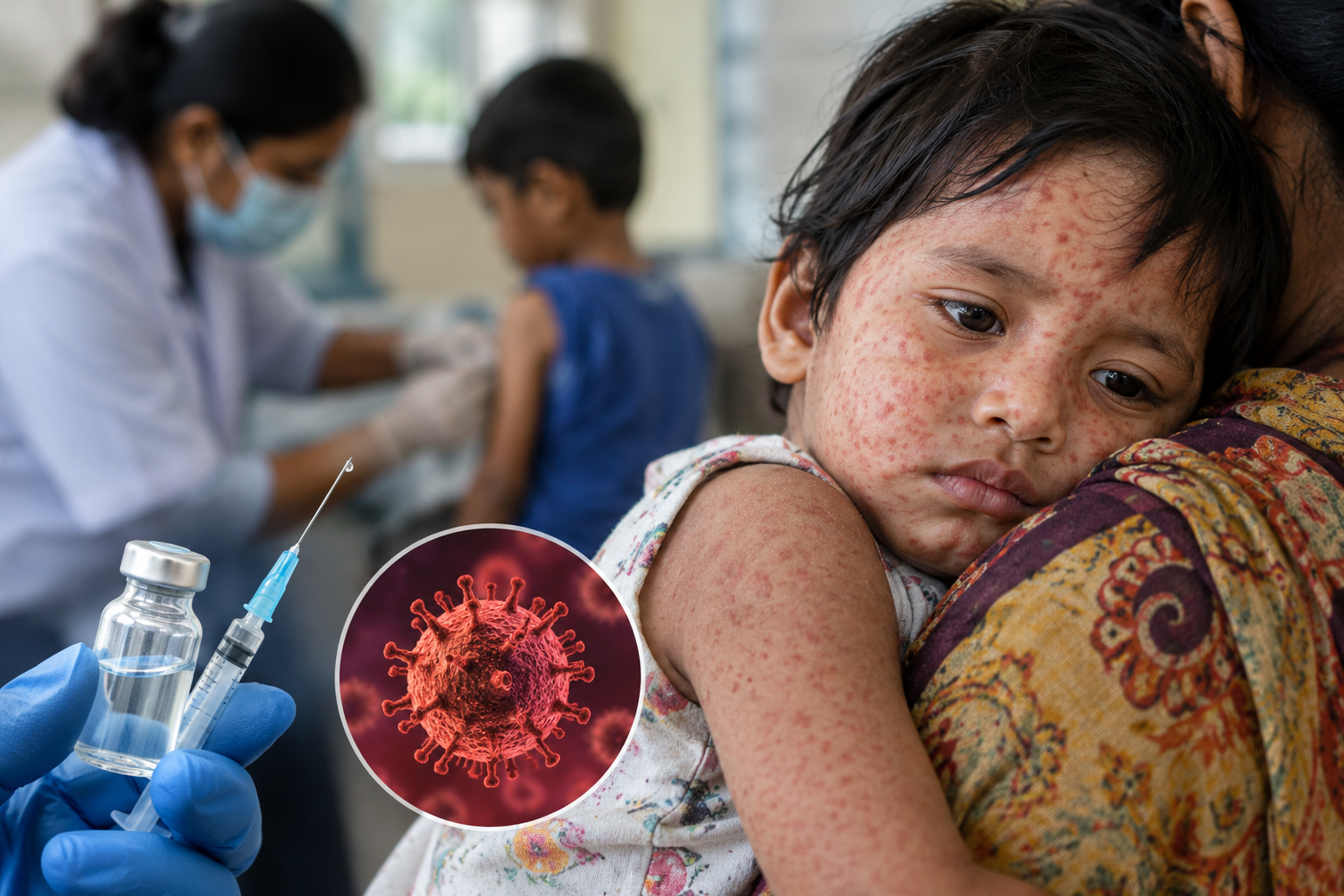
DHAKA, Bangladesh — Bangladesh’s ongoing measles outbreak has exposed serious gaps in the country’s immunization system, with experts warning that inadequate vaccination coverage could leave children vulnerable to other deadly diseases, including diphtheria, whooping cough and polio.
The warning came in an assessment prepared by an independent panel of national and international experts in early October and submitted to the government. The Associated Press (AP)-style report is based on information provided by Agence France-Presse (AFP), which obtained the assessment on Monday.
The panel described the measles outbreak as a critical warning sign of deteriorating immunization services and urged authorities to take urgent steps to strengthen vaccination coverage and address staffing shortages.
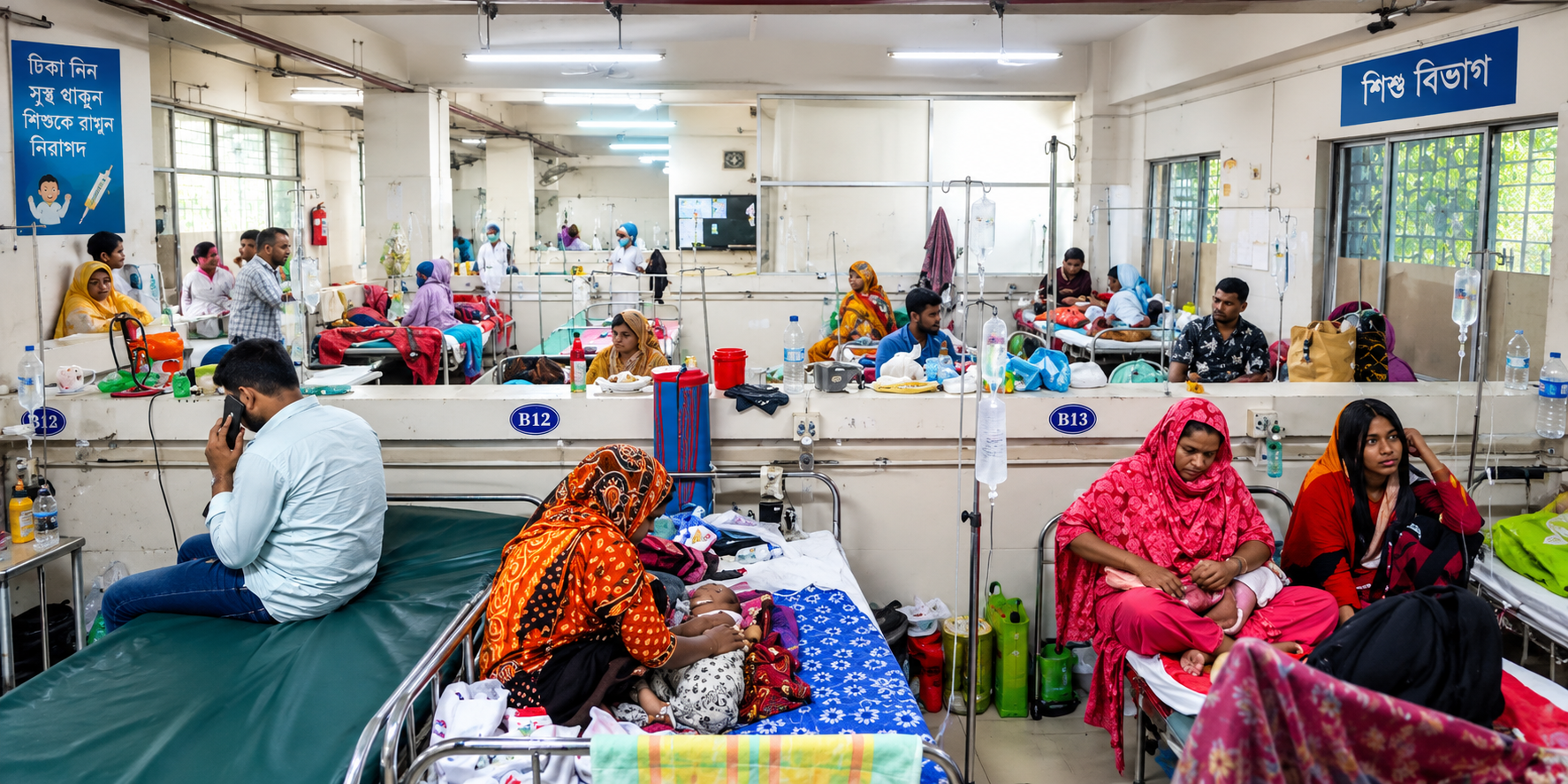
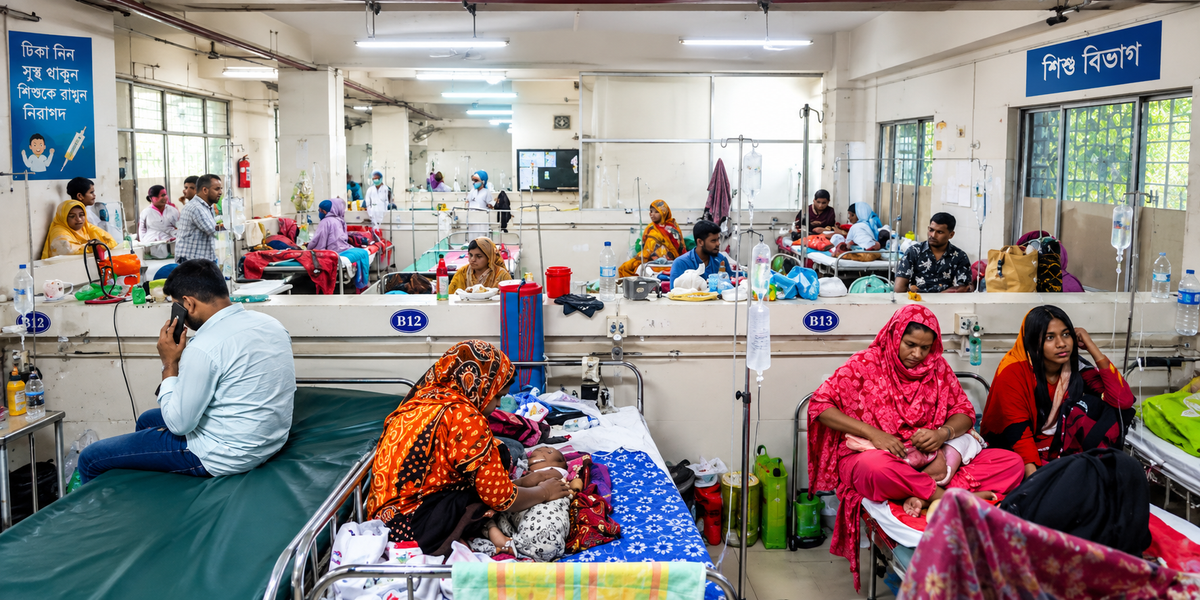
According to the Directorate General of Health Services, Bangladesh has been struggling to contain the outbreak since March. More than 1,200 children have died and around 220,000 people have been infected, according to the figures cited in the report. The outbreak has become one of the country’s deadliest measles crises in decades.
The assessment warned that without swift intervention, Bangladesh could face major outbreaks of other vaccine-preventable diseases. These include whooping cough, also known as pertussis, diphtheria and circulating vaccine-derived poliovirus, which can cause paralysis.
Vaccination gaps raise concern
An evaluation conducted by a 70-member team formed with support from the World Health Organization, UNICEF, Gavi and other development partners found that only 82% of children in Bangladesh had received all recommended routine vaccines. That falls well short of the national target of 95%.
The assessment also found that nearly 40% of positions for vaccination workers remained vacant, raising concerns about the health system’s ability to reach children who have missed routine immunizations.
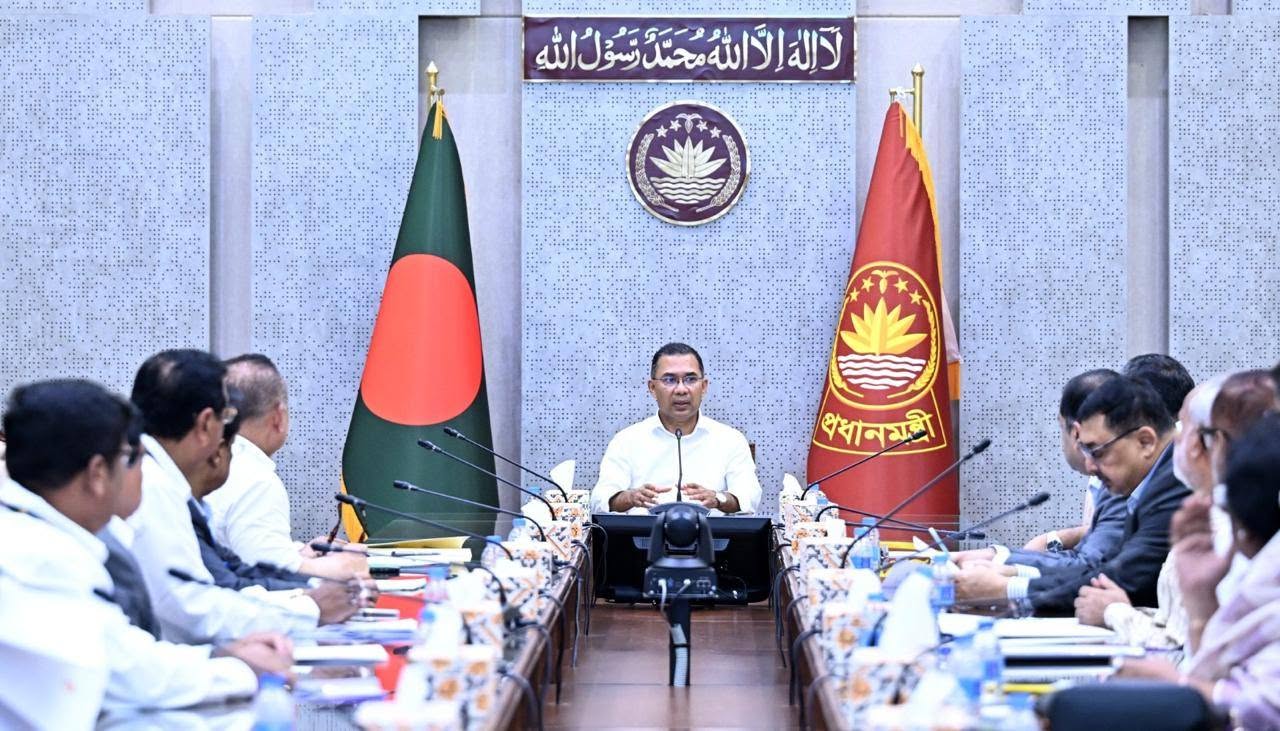
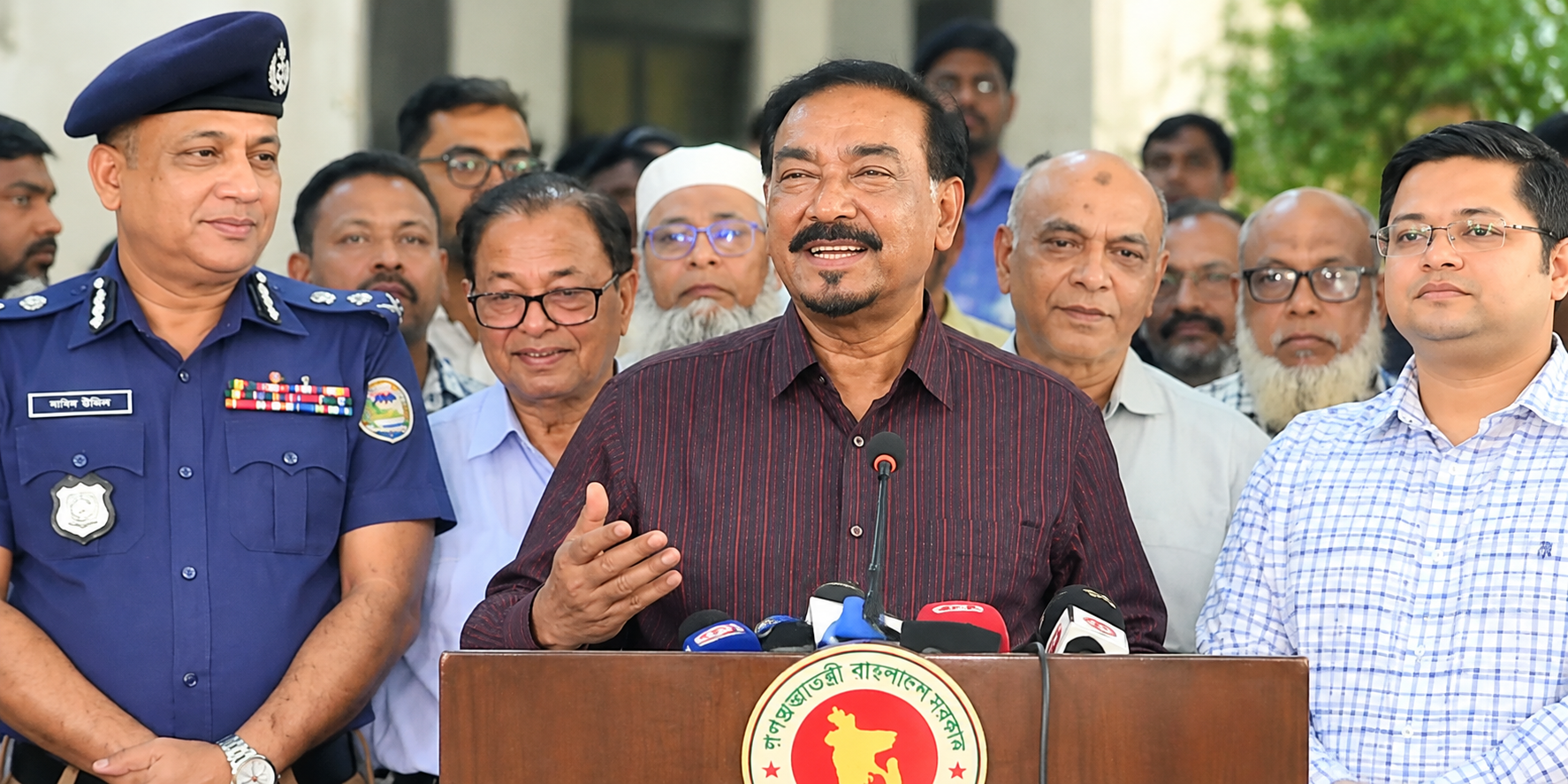
Health Ministry spokesperson Zahid Raihan said Monday that the government would move quickly to implement the panel’s recommendations. Recruiting vaccination workers would be an initial priority, he said.
Disruptions weakened vaccination efforts
Bangladesh made significant progress in immunization after launching its national vaccination program in 1979. The country eliminated polio and neonatal tetanus and made advances in controlling rubella and hepatitis B.
However, planned measles vaccination activities were delayed in 2024 amid political changes, according to the assessment. Strikes and political instability disrupted efforts further in 2025. Although a nationwide vaccination campaign was subsequently launched, infections continued to rise, the report said.
Measles is a highly contagious viral disease that spreads through respiratory droplets and airborne particles. Severe cases can lead to complications such as pneumonia and encephalitis, or inflammation of the brain. Children are particularly vulnerable to serious illness.
Whooping cough can cause severe respiratory complications in infants and young children, while diphtheria can obstruct breathing and damage the heart and nervous system. Vaccine-derived poliovirus can also spread in under-immunized communities and cause paralysis.
The assessment underscores the need for Bangladesh to fill vacant vaccination posts, improve routine immunization coverage and ensure that more children receive their full course of recommended vaccines.
Public health experts warn that strengthening immunization services will be essential to containing the current measles outbreak and reducing the risk of further vaccine-preventable disease outbreaks.