
The Rise of AI Tools That Students Are Using in Education: How Technology Is Transforming Learning
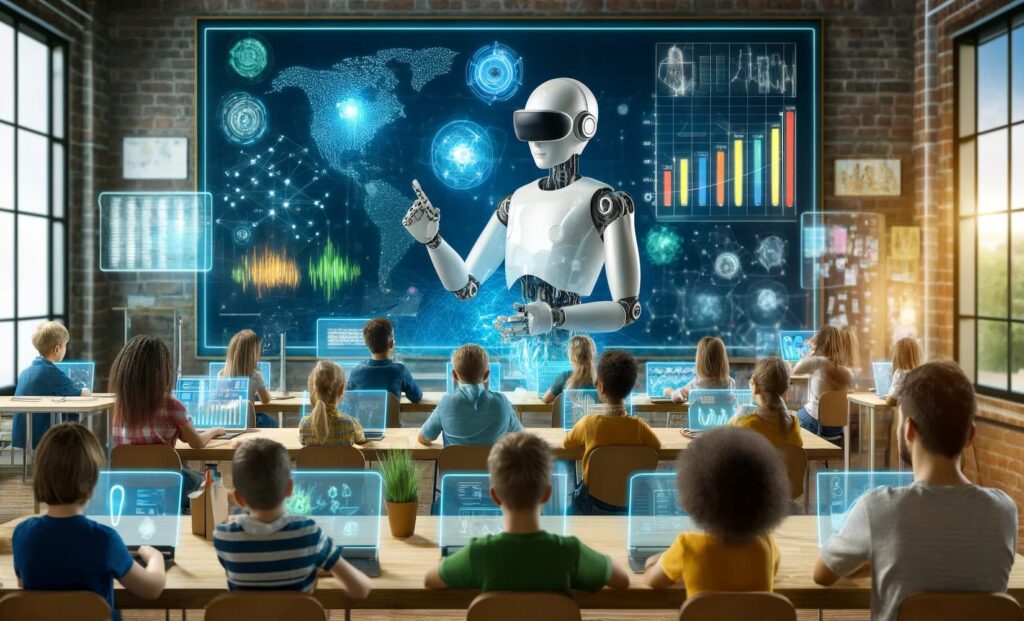
Discover how AI tools are changing education in 2026, helping students learn faster, improve productivity, and personalize learning experiences.
Artificial intelligence is rapidly changing the way students learn, study, and complete academic tasks. What once seemed like futuristic technology has become a regular part of classrooms, homework assignments, and online learning platforms across the United States.
From AI-powered tutoring systems to writing assistants and personalized study tools, students now have access to technology that can provide instant support whenever they need it. As educational institutions continue to adapt to digital transformation, AI has emerged as one of the most influential innovations shaping modern education.
The rise of AI tools in education is creating both opportunities and challenges. While these technologies can improve learning outcomes and increase efficiency, they also raise important questions about academic integrity, critical thinking, and the future role of teachers.
As AI adoption grows, understanding how students use these tools—and what that means for education—has become increasingly important.
Why AI in Education Matters
Technology has always played a role in education, from calculators and computers to online learning platforms. However, artificial intelligence represents a significant shift because it can actively assist students in ways previous technologies could not.
AI systems can analyze information, answer questions, explain complex concepts, generate content, and adapt learning experiences to individual needs.
This matters because students today face growing academic demands. They are expected to process large amounts of information, complete assignments efficiently, and prepare for an increasingly technology-driven workforce.
AI tools can help bridge learning gaps, provide additional support outside the classroom, and create more personalized educational experiences.
For educators and policymakers, the challenge is ensuring that these tools enhance learning rather than replace essential educational skills.
How AI Became Part of Everyday Learning
The Growth of Digital Education
The expansion of digital learning platforms over the past decade created the foundation for AI adoption.
Online classrooms, virtual tutoring services, educational apps, and cloud-based learning systems became more common in schools and universities.
As students became comfortable learning through technology, AI-powered tools naturally entered the educational environment.
Advances in Generative AI
Recent breakthroughs in generative AI have accelerated adoption among students.
Modern AI systems can generate explanations, summarize information, assist with writing, create study materials, and answer questions in real time.
Unlike traditional search engines, these tools provide conversational interactions that make learning more accessible and engaging.
This shift has made AI one of the fastest-growing educational technologies in recent years.
Popular AI Tools Students Are Using
AI Writing Assistants
Writing tools powered by artificial intelligence are among the most widely used educational technologies.
Students use these tools to:
- Improve grammar and spelling
- Enhance sentence structure
- Generate ideas for essays
- Organize research
- Edit written assignments
These applications can help students develop stronger communication skills while saving time during the writing process.
AI Study Companions
Many students now rely on AI-powered study assistants.
These tools can explain difficult concepts, generate practice questions, create flashcards, and provide customized learning support.
Instead of searching through multiple websites, students can receive targeted explanations tailored to their questions.
AI Tutoring Systems
AI tutors offer personalized instruction across subjects such as mathematics, science, history, and language arts.
These systems can identify areas where students struggle and adjust lessons accordingly.
With this customized method, students can advance at their own speed.
Research and Information Tools
Students are using AI more and more to organize information for projects, highlight important points, and summarize long papers.
When used responsibly, these tools can improve efficiency and help students focus on understanding concepts rather than spending excessive time searching for information.
Benefits of AI Tools in Education
Personalized Learning Experiences
One of AI’s greatest strengths is personalization.
Traditional classrooms often require teachers to serve students with varying skill levels and learning styles simultaneously.
AI systems can adapt content to meet individual needs, allowing students to receive support based on their specific strengths and weaknesses.
Increased Accessibility
AI is helping make education more accessible.
Students with learning differences, language barriers, or disabilities can benefit from tools that provide real-time assistance, translations, speech-to-text capabilities, and customized learning pathways.
This can help create more inclusive educational environments.
Improved Productivity
Many students use AI to manage time more effectively.
AI-powered planners, scheduling assistants, and study tools can help learners stay organized and complete assignments efficiently.
This allows students to devote more energy to understanding material rather than administrative tasks.
Enhanced Learning Support
AI can provide assistance outside traditional school hours.
Students who need help late at night or on weekends can access learning support whenever necessary.
This 24/7 availability has become a significant advantage for independent learners.
Concerns and Challenges
Academic Integrity Issues
One of the most debated topics surrounding AI in education is academic honesty.
Some students may use AI to generate essays or complete assignments without fully understanding the material.
This raises concerns about plagiarism, originality, and the purpose of educational assessments.
Schools are increasingly developing policies to address these challenges.
Dependence on Technology
Experts warn that overreliance on AI could reduce opportunities for students to develop critical thinking and problem-solving skills independently.
Learning requires effort, practice, and analysis.
If students rely too heavily on automated answers, they may miss valuable educational experiences.
Accuracy and Reliability
AI systems are not perfect.
They can occasionally provide incorrect, incomplete, or misleading information.
Students must learn how to verify facts, evaluate sources, and think critically about AI-generated content.
Digital literacy remains essential in the AI era.
How Schools and Universities Are Responding
Educational institutions across the United States are taking different approaches to AI.
Some schools have embraced AI as a teaching tool and incorporated it into classroom activities.
Others have implemented restrictions or developed guidelines regarding acceptable use.
Many educators are shifting their focus from preventing AI use to teaching students how to use AI responsibly.
This includes:
- Fact-checking AI responses
- Proper citation practices
- Ethical technology use
- Critical thinking development
- Responsible research methods
The goal is to prepare students for a future where AI will likely be part of everyday professional life.
Expert Analysis: AI Is Becoming a Learning Partner
The rise of AI in education represents more than a technological trend.
It signals a broader transformation in how knowledge is accessed and delivered.
Historically, students relied on textbooks, libraries, and teachers as primary sources of information. Today, AI can provide instant access to explanations, examples, and educational support.
However, experts generally agree that AI works best as a supplement rather than a replacement for human instruction.
Teachers provide mentorship, emotional support, creativity, and real-world context that technology cannot fully replicate.
The best educational models might integrate human-centered instruction with AI-driven efficiency.
This balanced approach could help maximize learning outcomes while preserving essential educational values.
What Happens Next?
The future of AI in education will likely involve even greater integration into classrooms and learning platforms.
Several developments are expected in the coming years:
- More personalized learning systems
- Advanced AI tutoring platforms
- Improved accessibility features
- AI-powered curriculum development
- Enhanced educational analytics
- Greater emphasis on AI literacy
Schools may also introduce dedicated courses that teach students how to use artificial intelligence responsibly and effectively.
As technology evolves, educational institutions will continue refining policies and best practices to ensure AI supports learning rather than undermines it.
The next phase of education may be defined not by whether students use AI, but by how effectively they use it.
Frequently Asked Questions
1. What are AI tools in education?
AI tools are software applications that use artificial intelligence to assist with learning, studying, writing, research, tutoring, and academic productivity.
2. Why are students using AI tools?
Students use AI tools because they provide quick answers, personalized support, study assistance, writing help, and improved productivity.
3. Can AI replace teachers?
No. AI can support learning and provide educational assistance, but it cannot fully replace the guidance, mentorship, and expertise provided by teachers.
4. Are AI tools allowed in schools?
Policies vary by school and district. Many institutions allow AI use under specific guidelines that encourage responsible and ethical use.
5. What are the risks of using AI in education?
Potential risks include academic dishonesty, overdependence on technology, misinformation, and reduced opportunities for independent critical thinking.
Conclusion
The rise of AI tools that students are using in education is reshaping the learning experience across the United States. From personalized tutoring and writing assistance to research support and productivity enhancements, artificial intelligence is becoming an increasingly valuable educational resource.
While concerns about academic integrity and technology dependence remain important, AI also offers powerful opportunities to improve accessibility, efficiency, and individualized learning. The challenge for educators, students, and policymakers is finding the right balance between embracing innovation and maintaining strong educational standards.
As artificial intelligence continues to evolve, its role in education will likely expand. Students who learn how to use AI responsibly and effectively may be better prepared for a future where technology plays a central role in both learning and the workplace.