


Bangladesh targets $100b apparel exports with push for higher-value products
Bangladesh has urged global apparel buyers to focus on product value, design, advanced manufacturing and sustainability as the country seeks to move beyond volume-driven competition and expand its share of higher-value garment exports.
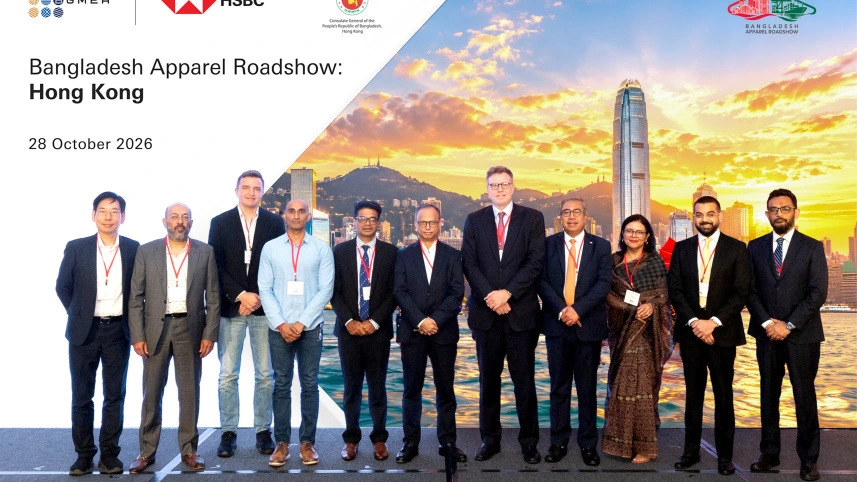
The message was delivered at the Bangladesh Apparel Roadshow 2026 in Hong Kong on Oct. 28, hosted by HSBC Bangladesh and the Bangladesh Garment Manufacturers and Exporters Association (BGMEA), in collaboration with the Bangladesh Consulate General in Hong Kong.
More than 130 international buyers, sourcing professionals, manufacturers and industry representatives attended the event at Island Shangri-La, according to an HSBC press release. The programme included a keynote address by Mohammadi Group Chairperson Rubana Huq, two panel discussions and an apparel showcase.
HSBC Bangladesh CEO Md Mahbub ur Rahman, who moderated both panel discussions, said the country’s apparel industry had progressed beyond competing on volume alone.
BGMEA President Mahmud Hasan Khan said Bangladesh aimed to generate $100 billion in apparel exports within a decade, including at least $20 billion from value addition. He reported 6.25% export growth in the latest quarter, dismissing concerns about a decline, while identifying energy supply and logistics as persistent constraints.
Khan also said Bangladesh had requested a deferral of its graduation from the least developed country category.
Bangladesh’s garment exports reached $38.70 billion in fiscal 2025-26, while the share of value retained domestically increased to 62.15% from 59.01%, Consul General Shah Mohammad Tanvir Monsur said.
Huq said non-cotton products accounted for 30% of garment exports, reflecting a shift into categories such as denim, outerwear and activewear. She added that Bangladesh had more than 290 Leadership in Energy and Environmental Design (LEED)-certified green factories.
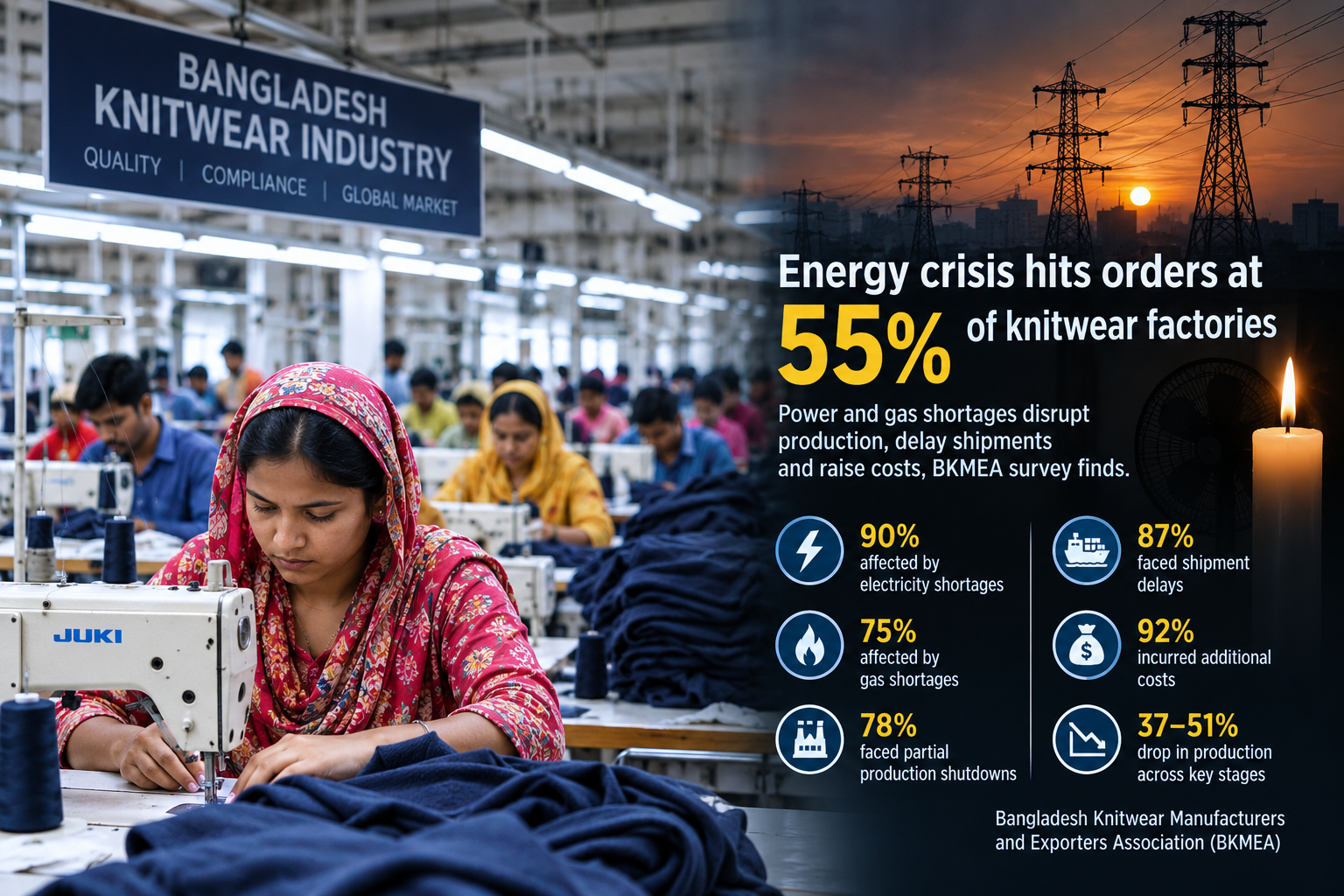
However, H&M Group Senior Sustainability Manager Kim Hellström identified the industry’s reliance on gas as a major climate challenge for retailers.
Surendar Sihag, director of Asia product supply international at Kontoor Brands, urged manufacturers to strengthen their value proposition rather than simply seek additional orders. He also called for reduced dependence on imported woven fabrics, which Huq estimated account for 60% of supply.
Khan said locally sourced fabric was 10% to 15% more expensive than Chinese alternatives but argued that shorter lead times and government incentives could help offset the price difference.
He invited international buyers to Batexpo 2026, the Bangladesh Textile and Apparel Exposition, scheduled for Nov. 18-19 in Dhaka.