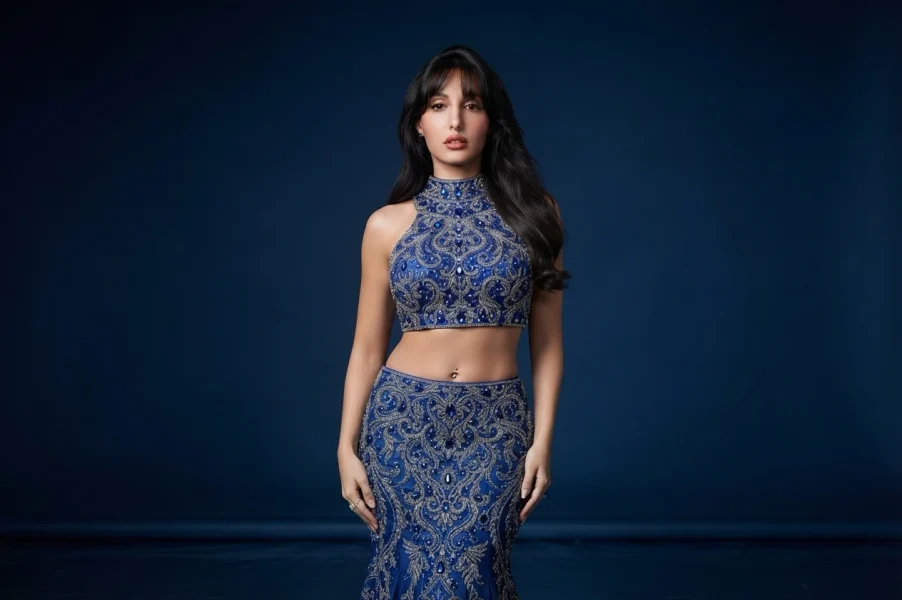

Charli XCX New Album: Charli XCX Reinvents Herself on Music, Fashion, Film: Inside the Themes, Sound and Meaning Behind Her Bold New Album
Charli XCX returns with Music, Fashion, Film, an introspective album that moves beyond Brat. Explore the album’s themes, musical direction, lyrics, artistic influences, and what it means for her evolving career.

Charli XCX Moves Beyond Brat With a Bold New Creative Chapter
After dominating pop culture with the critically acclaimed Brat, many expected Charli XCX to take a well-earned break. Instead, the British pop innovator has surprised fans once again by unveiling her latest studio album, Music, Fashion, Film—a project that deliberately avoids repeating the formula that made its predecessor a global phenomenon.
Rather than chasing another dance-pop blockbuster, Charli has embraced a more intimate, guitar-driven sound while maintaining the experimental edge that has defined her career for more than a decade. Smart, self-aware and emotionally layered, the 11-track record reflects an artist wrestling with fame, identity, creativity and the pressures of sustained success.
The album marks a significant turning point in Charli XCX’s artistic journey, offering listeners a deeper look into her evolving perspective following one of the most successful periods of her career.
From the Success of Brat to a New Artistic Direction
Released during one of the most influential periods of Charli XCX’s career, Brat became much more than a successful pop album.
The record earned widespread critical acclaim while producing standout tracks including Guess, Apple, and 360. Its cultural influence extended well beyond music, becoming associated with confidence, individuality and a carefree attitude. The album even entered political conversations after becoming linked to Kamala Harris‘ 2024 presidential campaign, while Collins English Dictionary updated its definition of “Brat” to reflect the cultural movement inspired by the project.
Following an extensive global tour, Charli appeared ready to step away from recording. During this period, she accepted several acting roles, composed music for Emerald Fennell’s adaptation of Wuthering Heights, and married longtime partner George Daniel.
However, creative inspiration arrived unexpectedly.
According to the singer, the songs emerged rapidly over just a few weeks as she attempted to process the whirlwind experiences that had transformed both her professional and personal life.
The result is an album that embraces change instead of nostalgia.

Why Music, Fashion, Film Is Not Brat 2.0
One of the defining characteristics of Charli XCX’s latest release is its refusal to recreate the sonic identity of Brat.
The artist has openly acknowledged that producing another dance-heavy record would have felt creatively dishonest. Instead, she chose to pursue a fresh musical direction built around guitars, concise songwriting and understated production.
While some early reports suggested the album represented a full-scale transition into rock music, the finished project tells a far more nuanced story.
Electronic textures remain woven throughout the record, appearing alongside manipulated vocals, digital production techniques and subtle synth arrangements that preserve Charli’s signature sound.
Rather than abandoning electronic music, Music, Fashion, Film expands her musical vocabulary by blending alternative rock influences with the experimental pop aesthetic that has defined much of her career.
The shift represents artistic evolution rather than reinvention.
The Meaning Behind the Album Title
The title Music, Fashion, Film reflects three creative disciplines that have increasingly shaped Charli XCX’s artistic identity.
Music remains the foundation of her career, while fashion has become an integral part of her public image and visual storytelling. Film has also emerged as a growing passion, with Charli taking on acting projects, soundtrack work and visual collaborations in recent years.
Together, these three creative worlds form the conceptual backbone of the album, exploring questions surrounding artistic legacy, cultural influence and the pursuit of excellence.
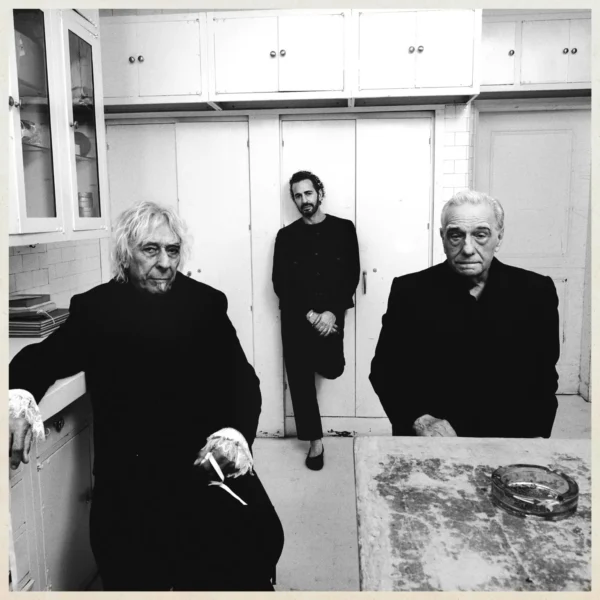
Album Cover Pays Tribute to Three Creative Icons
Unlike previous releases centered around Charli herself, the cover artwork for Music, Fashion, Film features three influential figures from different artistic disciplines:
- John Cale, legendary musician and founding member of The Velvet Underground.
- Marc Jacobs, internationally renowned fashion designer.
- Martin Scorsese, one of cinema’s most celebrated directors.
Captured in black and white by Scottish filmmaker Aidan Zamiri, the image symbolizes artistic mastery across music, fashion and film.
For Charli, bringing these three cultural icons together represented a deeply personal milestone, highlighting the people who have influenced her own creative ambitions.
The cover reinforces one of the album’s central themes—the search for artistic longevity while recognizing that greatness often extends beyond commercial success.
Touring Took a Physical and Emotional Toll
One of the album’s most revealing moments comes through the song Rock Music, where Charli addresses the physical consequences of the demanding Brat world tour.
The singer reveals that years of energetic live performances resulted in nerve damage affecting her neck, significantly impacting her sleep and overall wellbeing.
The admission offers rare insight into the physical sacrifices behind major international tours, especially for performers known for high-energy stage productions.
As Charli considers future touring plans, she has indicated that changes may be necessary to protect her long-term health.
Recent live performances already suggest a different approach, featuring a more compact live band arrangement while maintaining the intensity and emotional impact audiences expect from her concerts.
Exploring Fame, Identity and Personal Growth
Lyrically, Music, Fashion, Film is among Charli XCX’s most introspective albums.
Throughout the record, she examines the tension between commercial success and artistic authenticity while questioning whether it is possible to remain rebellious after achieving mainstream recognition.
Tracks such as SS26 satirize the increasing pressure placed on modern celebrities to express the “correct” opinions on every public issue.
Using irony and self-awareness, Charli critiques online culture, where public figures often face impossible expectations regarding morality, politics and personal conduct.
Rather than presenting herself as a flawless role model, she embraces contradiction, suggesting that human complexity deserves greater acceptance.
This recurring theme gives the album emotional depth beyond its concise runtime.
Wink Wink Blurs the Line Between Image and Reality
Another standout moment arrives on Wink Wink, where Charli playfully dismantles the image of adulthood and responsibility.
The lyrics describe seemingly mature lifestyle choices—from practical clothing to sensible vehicles—before revealing that much of this transformation is performative.
The recurring phrase “I’m not a bad girl anymore… wink, wink” captures the tension between public perception and private identity.
The song suggests that even as life changes, the rebellious spirit that shaped Charli’s career remains very much alive beneath the surface.
Engagement Anxiety Takes Center Stage on I’m Afraid
Perhaps the album’s most emotionally vulnerable song is I’m Afraid, an honest reflection on engagement, commitment and self-doubt.
Rather than presenting romance as a fairytale, Charli explores the anxiety accompanying major life transitions.
The song captures fears surrounding marriage, identity and the possibility of losing oneself within a relationship.
Combined with fragmented electronic production and unsettling synth textures, the track creates one of the most emotionally intense moments on the album.
Its honesty reinforces the record’s broader message that vulnerability can be just as compelling as confidence.
Minimalist Songwriting Defines the Album’s Sound
At just 29 minutes long, Music, Fashion, Film is remarkably concise.
Many tracks end before listeners fully expect them to, creating an experience that feels immediate and intentionally unfinished.
The song Yeah perfectly demonstrates this philosophy.
Opening with little more than repeated phrases over a simple guitar progression, the track gradually builds tension before exploding into a satisfying musical release.
Its stripped-back construction highlights Charli’s confidence as a songwriter, proving that minimalism can often deliver maximum emotional impact.
Rather than filling songs with unnecessary complexity, the album focuses on memorable ideas presented with clarity and precision.

David Cronenberg Provides the Album’s Final Message
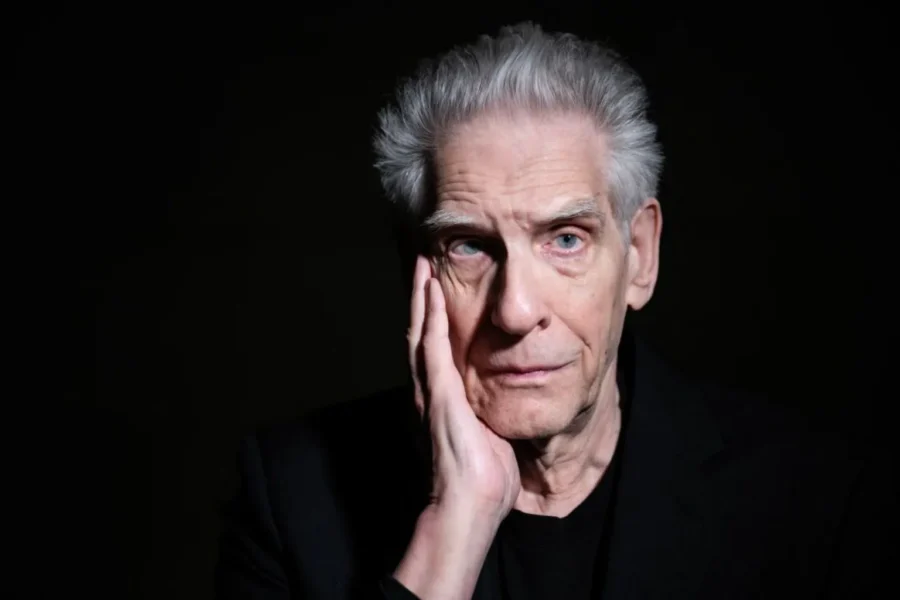
The closing moments of Music, Fashion, Film feature an unexpected guest voice—legendary Canadian filmmaker David Cronenberg.
An admirer of the director’s work for many years, Charli includes an excerpt from a lengthy conversation discussing art, mortality and creative legacy.
Cronenberg argues that while some works survive for centuries, artists themselves never experience that lasting impact.
Instead of viewing this reality with sadness, he frames it as liberation.
His concluding observation—that “oblivion is freedom”—serves as a philosophical ending to an album deeply concerned with expectations, success and artistic purpose.
The message encourages artists to create without becoming trapped by external validation or fears about legacy.
Critical Outlook: A Risk That Pays Off
While Music, Fashion, Film may surprise listeners expecting another Brat, its willingness to challenge expectations ultimately becomes its greatest strength.
The album favors emotional honesty over commercial formulas, replacing club-ready anthems with introspective songwriting, guitar-driven arrangements and understated experimentation.
Its themes of artistic reinvention, celebrity culture, identity and creative freedom position it as one of Charli XCX’s most thoughtful releases to date.
Rather than attempting to replicate a career-defining success, the singer demonstrates the confidence to move forward creatively—even if that means dividing opinion along the way.
Final Thoughts
Music, Fashion, Film represents more than simply Charli XCX’s latest album—it is a statement about artistic evolution.
By refusing to recreate the sound that propelled Brat into pop culture history, she embraces uncertainty in pursuit of something more personal and creatively fulfilling.
The record balances introspection with wit, vulnerability with confidence and experimentation with accessibility, showcasing an artist determined to keep evolving regardless of expectations.
For longtime fans and new listeners alike, Music, Fashion, Film offers a compelling portrait of an artist navigating fame, creativity and adulthood without sacrificing the bold spirit that has made Charli XCX one of contemporary pop’s most influential voices.
As Charli herself suggests throughout the album, standing still is never an option. Growth—even when uncomfortable—remains the most authentic form of artistic success.