


US Judge Strikes Down Immigrant Visa Suspension Affecting Bangladesh, Pakistan and 73 Other Countries
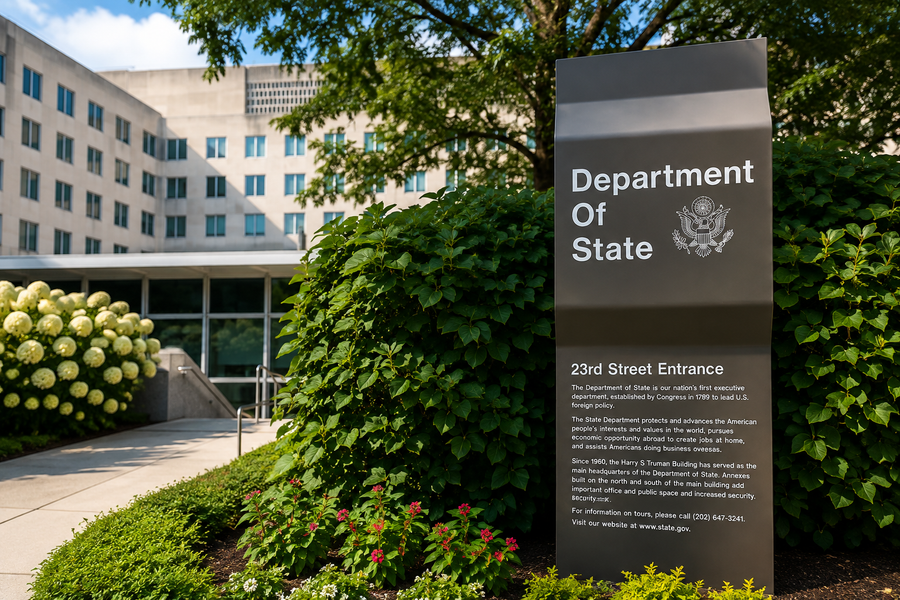
NEW YORK — A U.S. federal judge has struck down a Trump administration policy that suspended the processing of immigrant visas for applicants from 75 countries, including Bangladesh, Pakistan and Brazil, ruling that the State Department had exceeded its legal authority.
U.S. District Judge Jeannette Vargas, sitting in Manhattan, ruled Friday that the policy announced by the State Department in January was unlawful because it imposed a categorical restriction on immigrant visa processing based solely on applicants’ nationalities.
The decision represents a significant legal setback for the administration’s immigration policy and could affect thousands of people seeking to enter the United States through the family-based and other immigrant visa categories.
In her ruling, Vargas said the State Department policy conflicted with federal immigration law and exceeded the authority granted to Secretary of State Marco Rubio.
The judge described the policy as “patently unlawful,” arguing that Congress had established a statutory framework governing the processing of immigrant visas and had specifically limited the secretary of state’s authority over consular officers handling such applications.
Judge Says Visa Policy Exceeded Secretary of State’s Authority
At the center of the case was whether the State Department could broadly suspend immigrant visa issuance based on an applicant’s nationality.
Vargas concluded that it could not.
The judge said the policy effectively bypassed the statutory system established by Congress by preventing consular officers from processing immigrant visa applications from nationals of the designated countries.
According to the ruling, the policy represented a direct conflict with federal immigration law because it imposed a blanket nationality-based restriction rather than allowing applications to be considered under the procedures established by Congress.
The decision could have broader implications for the administration’s approach to immigration enforcement and visa processing, particularly as the Trump administration continues to pursue policies aimed at reducing immigration to the United States.
Bangladesh and Pakistan Among Countries Affected
The visa suspension, which took effect in January, covered applicants from 75 countries across several regions.
The affected nations included Bangladesh and Pakistan in South Asia, Brazil, Colombia and Uruguay in Latin America, and Bosnia and Albania in the Balkans. Applicants from countries in Africa, the Middle East and the Caribbean were also included in the policy.
For applicants from Bangladesh and Pakistan, the suspension created additional uncertainty for families seeking to reunite in the United States through immigrant visa programs.
The policy affected people whose applications were being processed through the U.S. immigrant visa system, potentially delaying family reunification and other lawful immigration pathways.
The court ruling now challenges the legal basis for the broad suspension and could pave the way for affected applicants to resume processing, subject to any further legal proceedings or government action.
State Department Cited Public Charge Concerns
When the policy was introduced, the State Department argued that applicants from the designated countries presented a higher risk of becoming a public charge.
The department said applicants were considered to be at a high risk of relying on federal, state or local government resources after arriving in the United States.
The public charge framework has long been part of U.S. immigration policy, with immigration authorities considering certain applicants’ likelihood of becoming primarily dependent on government assistance.
However, the judge’s ruling focused on the government’s legal authority to impose a blanket suspension based on nationality rather than addressing the broader political debate surrounding public charge considerations.
The State Department had not immediately responded to a request for comment on the ruling.
Immigrant Rights Groups Challenged the Policy
The lawsuit was brought by immigrant rights organizations, immigrant visa applicants and U.S. citizens sponsoring family members for immigrant visas.
The plaintiffs included the Catholic Legal Immigration Network and African Communities Together, which challenged the State Department’s policy in federal court.
The groups argued that the suspension unlawfully interfered with the immigrant visa process and placed significant burdens on people who had already pursued established legal pathways to immigrate to the United States.
The involvement of U.S. citizens sponsoring relatives was particularly significant because immigrant visa processing is frequently used by American citizens and lawful residents seeking to reunite with family members abroad.
The court’s decision therefore carries importance not only for visa applicants but also for families in the United States whose relatives were affected by the suspension.
Ruling Comes Amid Broader Trump Immigration Crackdown
The decision comes as President Donald Trump continues an aggressive immigration crackdown that his administration says is intended to strengthen national security and tighten enforcement of U.S. immigration laws.
Since returning to office, the Trump administration has pursued a range of immigration measures targeting border security, visa policies, deportations and other aspects of the U.S. immigration system.
Administration officials have argued that stronger immigration restrictions are necessary to protect national security, enforce existing laws and prevent abuse of government programs.
Immigrant rights organizations, however, have repeatedly challenged several elements of the administration’s immigration agenda in court.
Rights groups have accused the administration of violating constitutional protections, including due process and free speech rights. They have also raised concerns that aggressive enforcement policies could disproportionately affect ethnic and immigrant communities and increase fears of racial profiling.
What the Ruling Means for Visa Applicants
The ruling provides an important legal development for applicants from the 75 countries covered by the suspension, including Bangladesh, Pakistan and Brazil.
However, the immediate impact on individual visa applications may depend on how the State Department responds to the decision and whether the administration seeks further review in the courts.
For applicants whose immigrant visa processing was suspended, the ruling could potentially reopen a pathway that had been blocked by the January policy. Families waiting for visa decisions may now be watching closely for further instructions from U.S. consular authorities.
The case also highlights the continuing legal battle over the limits of executive authority in U.S. immigration policy.
By ruling that the State Department exceeded its statutory authority, Judge Vargas placed limits on the government’s ability to impose broad restrictions on immigrant visa processing without a clear legal basis.
A Major Challenge to Nationality-Based Visa Restrictions
The ruling marks a notable judicial challenge to the Trump administration’s immigration strategy, particularly its use of nationality-based restrictions.
While the administration has defended its immigration policies as necessary for national security and responsible management of public resources, the court’s decision underscores the requirement that executive agencies operate within the authority granted to them by Congress.
For thousands of prospective immigrants and their families, the outcome could have immediate personal consequences, particularly for those who have spent months or years navigating the U.S. immigration system.
As the legal dispute develops, applicants from Bangladesh, Pakistan, Brazil and the other affected countries will be closely monitoring announcements from the State Department and U.S. consular missions.
The ruling could ultimately become an important precedent in the continuing debate over presidential and executive authority, immigration law and the rights of people seeking to enter the United States through established legal channels.