



Vitamin D in Bangladesh: How to Protect Your Skin While Supporting Bone Health
By combining sensible sun exposure, a balanced diet and evidence-based supplementation, Bangladesh can address vitamin D deficiency without overlooking the risks of excessive ultraviolet radiation.
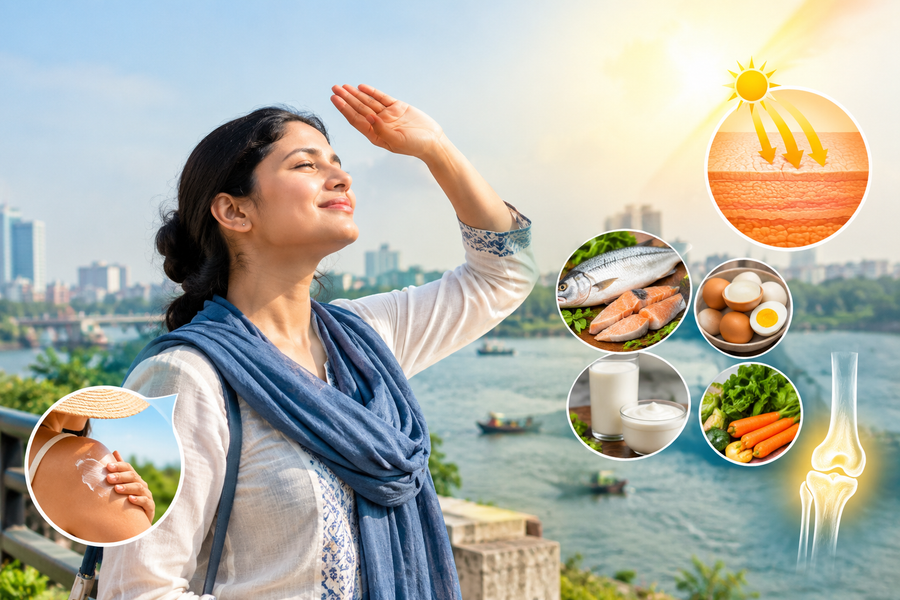
Bangladesh receives abundant sunshine throughout the year, yet vitamin D deficiency remains a significant nutritional concern. This apparent contradiction highlights an important distinction: sunlight may be plentiful, but opportunities for the body to produce sufficient vitamin D vary considerably between individuals.
Vitamin D aids in calcium absorption, promotes bone mineralization, and supports healthy muscle function. Severe deficiency can lead to rickets in children and osteomalacia in adults, conditions that compromise skeletal health.
The challenge is to improve vitamin D status without encouraging unnecessary sun exposure, skin damage or unsupervised supplement use.
Why do people still have vitamin D deficiency even when there is plenty of sunshine?
A review of studies conducted in Bangladesh between 2002 and 2022 documented a substantial burden of vitamin D deficiency, particularly among women, pregnant women and older adults.
Several factors may help explain this pattern. Urban lifestyles often involve prolonged periods indoors, while work commitments and limited opportunities for outdoor activity can reduce exposure to sunlight. Clothing that covers most of the body further limits the skin available for vitamin D production.
Skin pigmentation also matters. People with darker skin generally require more ultraviolet-B (UVB) exposure to produce the same amount of vitamin D as people with lighter skin. Age-related changes in the skin, obesity and certain medical conditions or medications may also affect vitamin D status.
These factors demonstrate why living in a sunny country does not automatically guarantee adequate vitamin D levels.
The impact of vitamin D deficiency on health
The clearest established consequences of vitamin D deficiency involve bones and muscles. In children, severe deficiency can interfere with normal bone development and cause nutritional rickets. In adults, prolonged severe deficiency may lead to osteomalacia, bone pain and muscle weakness.
Maintaining healthy bones requires more than vitamin D alone. Adequate calcium and protein intake, regular physical activity and appropriate medical care are also important.
Low vitamin D levels have been associated with several other conditions, including diabetes, cardiovascular disease, obesity, autoimmune disorders and infections. However, these associations do not establish that vitamin D deficiency directly causes every condition or that taking supplements will prevent or treat them. Vitamin D is essential for health, but it should not be promoted as a cure-all.
Who should pay closer attention?
Vitamin D is especially important for people who get little sun, older adults, pregnant or breastfeeding women, and children or teens who may not get enough from their diet or spend enough time outside. People with obesity, certain digestive disorders, or conditions and medications that affect vitamin D absorption or metabolism may also require individual assessment.
Testing is not necessary for everyone. Clinical evaluation should take account of a person’s symptoms, risk factors and medical history rather than relying on routine screening for the entire population.
Can food provide enough vitamin D?
Diet is an important part of prevention, although naturally occurring vitamin D is found in relatively few foods.
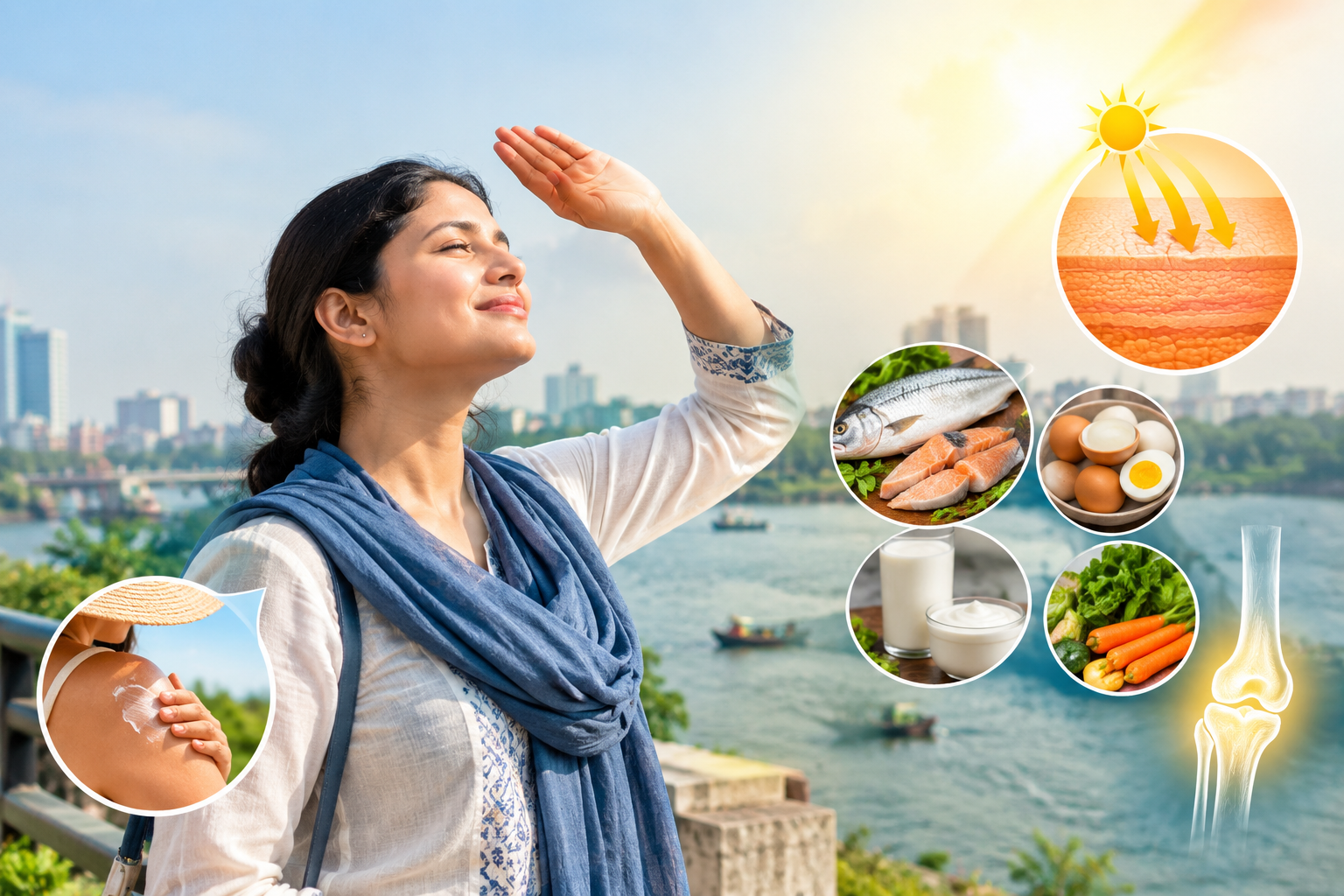
Fatty fish, including hilsa and rupchanda, can contribute to intake. Egg yolks, liver and some meats provide smaller amounts, while fortified foods may offer an additional source where they are available.
For Bangladesh, improving the availability and affordability of appropriately fortified foods could complement dietary education and targeted supplementation. Whether food alone is sufficient depends on individual requirements, eating habits and other sources of vitamin D.
Sunlight: Finding the balance between vitamin D and skin protection
The skin produces vitamin D when exposed to UVB radiation. However, the amount produced depends on several variables, including skin pigmentation, age, season, time of day, clothing, exposed skin area and atmospheric conditions.
Midday sunlight can provide stronger UVB exposure than early morning or late afternoon sunlight. Nevertheless, there is no universally reliable rule stating that 15–30 minutes of exposure, even with 20 per cent of the body uncovered, will meet everyone’s vitamin D requirements.
The same exposure can produce different results in different people. Furthermore, UV radiation can damage the skin, and prolonged or intense exposure increases the risk of sunburn, premature skin ageing and skin cancer.
A sensible approach is to maintain regular outdoor activity without deliberately seeking a tan or allowing the skin to burn. Protective clothing, shade and sunscreen remain important when UV exposure is substantial. There is no need to abandon skin protection to obtain vitamin D.
For people whose lifestyle, clothing or medical circumstances limit effective sun exposure, dietary strategies and clinically appropriate supplementation may be more dependable than attempting to meet their needs through sunlight alone.
Are vitamin D supplements necessary?
Not everyone needs a supplement, and taking more is not necessarily better.
According to the 2024 Endocrine Society Clinical Practice Guideline, generally healthy adults under 75 are not routinely advised to take vitamin D above the recommended dietary intake or undergo routine vitamin D testing without a specific indication. Recommendations may differ for certain age groups and people with particular clinical needs.
Supplementation may be appropriate for diagnosed deficiency or when individual circumstances warrant it. The appropriate dose and duration depend on factors such as age, dietary intake, health status and the reason for treatment.
Excessive vitamin D intake can cause toxicity and hypercalcaemia, an abnormally high calcium concentration in the blood. Serious complications can affect the kidneys and other organs. High-dose supplements should therefore be used under appropriate professional guidance.
A practical public-health response for Bangladesh
Addressing vitamin D deficiency requires a coordinated approach rather than relying on sunlight or supplements alone. Priorities include:
- Encouraging regular outdoor activity while promoting effective sun protection.
- Improving access to vitamin D-containing foods and appropriately fortified products.
- Identifying people at increased risk and offering targeted nutritional or clinical support.
- Using supplementation when indicated, with appropriate dosing and follow-up.
- Strengthening local research and public-health guidance to reflect Bangladesh’s dietary patterns, lifestyles and population needs.
These measures can support better bone health while avoiding unnecessary testing, excessive supplementation and preventable skin damage.
The bottom line
Bangladesh’s abundant sunshine is a potential resource, not a guarantee of adequate vitamin D. A balanced strategy combines outdoor activity, nutritious food, skin protection and targeted supplementation when appropriate.
The goal is not to maximise sun exposure. It is to maintain adequate vitamin D while protecting long-term health.
Sources and attribution
- Bangladesh evidence: Review of studies published between 2002 and 2022 examining vitamin D deficiency in Bangladesh. The specific review should be identified by its authors, title, journal and publication details before publication.
- Clinical guidance: Endocrine Society, Vitamin D for the Prevention of Disease: An Endocrine Society Clinical Practice Guideline (2024).
- Skin protection: World Health Organization guidance on ultraviolet radiation and sun protection.