Billions of dollars moved through the system
The trade mechanism has been operating since at least 2021 and was initially used to facilitate purchases of medicines and COVID-19 vaccines for Iran, according to three sources.
The sources estimated that between $2 billion and $2.5 billion moved through the SPV during the past year.
The arrangement has become increasingly important as Washington has expanded sanctions against companies involved in trade with Iran, the sources said.
China is by far Iran’s largest oil customer. The country accounted for more than 80% of Iran’s seaborne oil exports in 2025, averaging about 1.4 million barrels per day, according to commodities data and analytics firm Kpler.
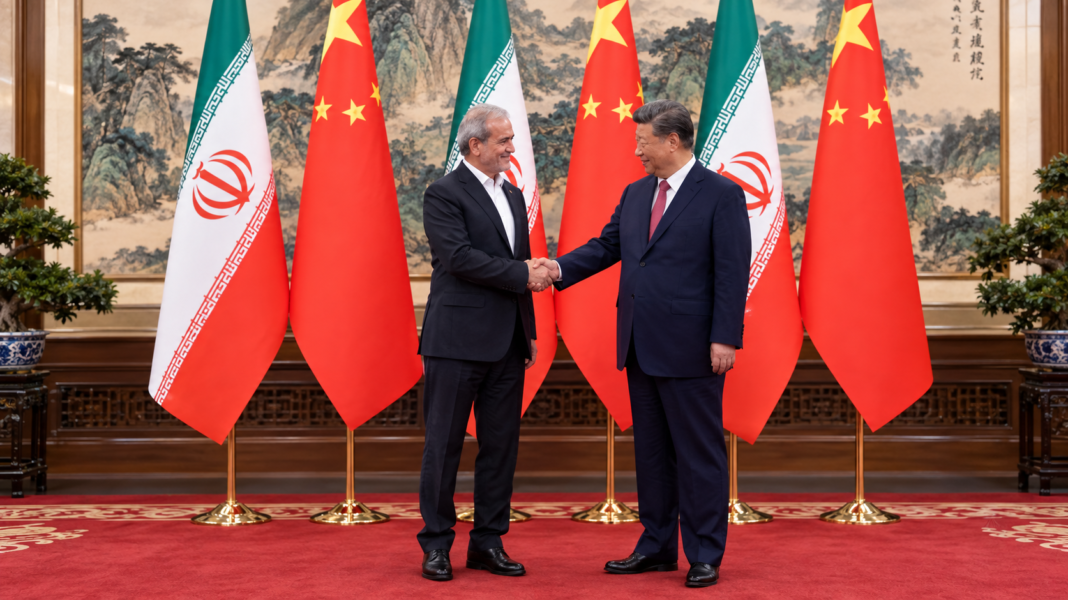
Iran and China have deepened their economic and political relationship in recent years. In 2021, the two countries signed a 25-year strategic partnership agreement covering areas including energy and infrastructure, although many details of the agreement have remained confidential.
The two governments have repeatedly criticized unilateral Western sanctions and said they intend to protect their economic interests.
China’s Foreign Ministry, responding to questions about the trade mechanism, said it was not familiar with the situation described.
“China has consistently opposed unilateral sanctions that have no basis in international law and have not been authorized by the United Nations Security Council,” the ministry said.
Iran’s missions to the United Nations in New York and Geneva did not respond to requests for comment. Iran’s central bank and China’s Ministry of Commerce also did not respond to questions.
The White House said the Trump administration was working with economic partners, including the European Union, to deprive Iran of the resources needed to advance its nuclear ambitions. A U.S. official did not comment specifically on the trade mechanism.
U.S. sanctions put pressure on China-Iran trade
The United States has imposed sanctions on smaller Chinese companies and entities accused of facilitating purchases or shipments of Iranian oil. Washington has so far stopped short of imposing the most severe measures against major Chinese financial institutions, which could have wider consequences for the global economy.
In August, Treasury Secretary Scott Bessent warned countries to reduce their business ties with Iran or risk losing access to the dollar-based international financial system.
The pressure has intensified as Washington seeks to resolve its conflict with Iran and reopen the Strait of Hormuz.
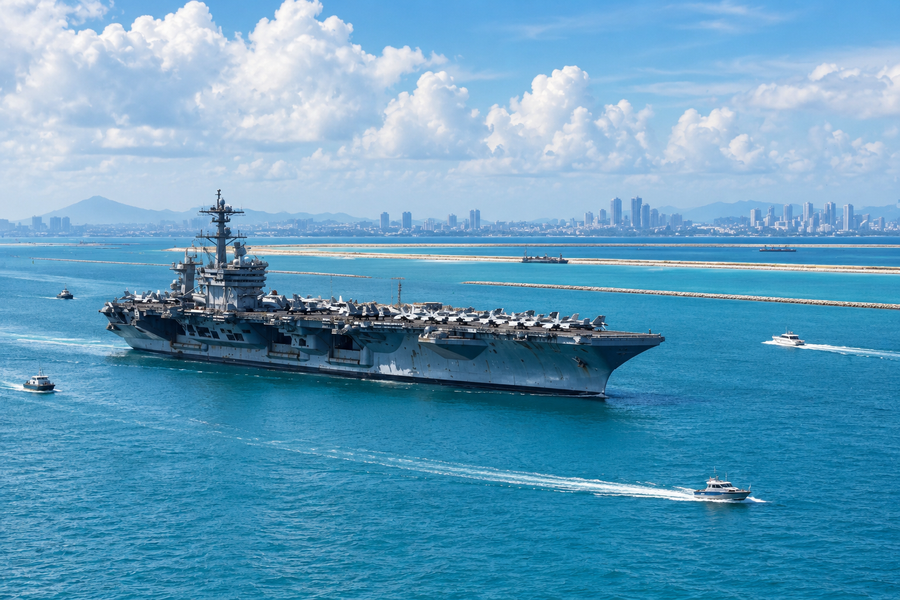
The impact of a U.S. naval blockade on the oil-for-goods arrangement remains unclear. Reuters previously reported that no Iranian crude cargoes had successfully transited the Strait of Hormuz to China since the blockade was reinstated July 14.
Questions over weapons transfers
The reported use of the mechanism to facilitate air defense equipment purchases could raise additional concerns.
A United Nations embargo covering the export of most major conventional weapons to Iran was reinstated in September 2025 after European countries triggered the so-called snapback mechanism, restoring sanctions that had been lifted under the 2015 nuclear agreement.
The United States withdrew from the nuclear agreement during President Donald Trump’s first term, and Iran subsequently stopped complying with some of its commitments under the accord.
Iran and China have rejected the reimposition of the sanctions, describing the European action as legally and procedurally flawed.
Reuters could not independently verify that the trade mechanism was used to purchase air defense equipment or determine whether any specific Chinese companies participated in such transactions.
Seeking plausible deniability
Zhuhai Zhenrong has previously been targeted by U.S. sanctions over alleged dealings involving Iranian oil.
One source provided what appeared to be a July 22, 2025, letter from Iran’s national oil company requesting confirmation from of an outstanding balance. The source said the document demonstrated an ongoing business relationship between the two entities.
Reuters could not independently authenticate the document. Neither the National Iranian Oil Co. nor Zhuhai Zhenrong responded to questions about the document or their alleged involvement in the arrangement.
Andrea Ghiselli, an international politics lecturer at the University of Exeter who studies China’s relations with the Middle East, said arrangements such as this allow Beijing to resist U.S. pressure while limiting the exposure of major Chinese banks and companies.
China, he said, wants to demonstrate that it cannot easily be coerced through the threat of secondary sanctions but does not want its financial institutions excluded from the international banking system.
The result, he said, is a system built around “plausible deniability.”