


Illegal Loan Apps in Bangladesh: How Digital Loans Trap Borrowers with High Interest and Harassment
Illegal loan apps are increasingly targeting people in Bangladesh with promises of quick and easy cash, but borrowers say they are later hit with excessive repayment demands, threats and harassment. Experts warn that the trend could grow into a serious financial and cybercrime problem if authorities fail to act.
Borrowers Face Excessive Interest and Harassment
Private-sector employee Shaheen Hossain borrowed Tk 6,000 in three instalments through a mobile loan app in June. What appeared to be a short-term loan eventually cost him nearly Tk 10,000 to repay.
Shaheen told Prothom Alo that the app continued increasing the amount he owed and demanded additional payments. When he refused, he began receiving threats through WhatsApp.
The callers threatened to leak his personal information stored on his phone and contact his relatives.
“I was receiving threats as the interest kept increasing every day. Eventually, I repaid the money and swore never to take a loan like this again,” Shaheen said.
The app he used was called FinCash. Prothom Alo has identified at least 30 apps involved in loan-related activities in Bangladesh despite the absence of proper authorisation.
How Illegal Loan Apps Operate
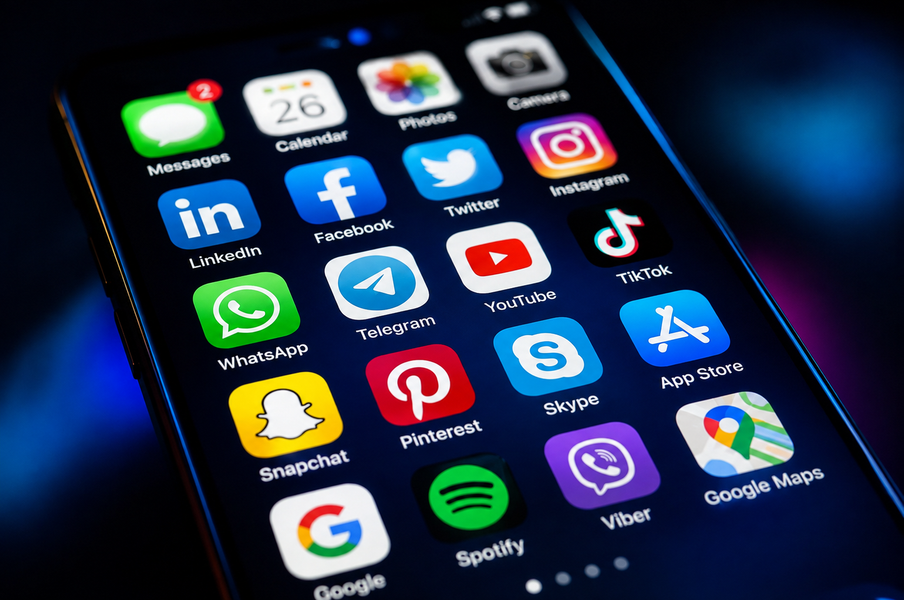
These apps typically advertise their services through Facebook and other social media platforms, targeting people looking for urgent cash.
After a user downloads an app and applies for a loan, the application may request access to sensitive information stored on the phone, including:
- Contact lists and phone numbers
- Photos and videos
- Text messages
- Location data
- National ID information
- Numbers linked to mobile financial services such as bKash and Nagad
Victims said they often had to grant extensive permissions before they could complete the loan application.
Once the loan is disbursed, borrowers can face repayment demands far exceeding the amount they originally received. Those who refuse or fail to pay may then be subjected to repeated calls, threats and attempts to contact their friends, relatives and acquaintances.
Tk 24,000 Loan Turns Into Tk 81,000 Demand
Saeed Mia of Mirpur, Dhaka, is another borrower who said he was caught in such a cycle.
Before Eid-ul-Azha, Saeed was unable to withdraw cash from several ATMs and urgently needed money. He subsequently applied for a loan through an app he had seen advertised on Facebook.
He said he received a total of Tk 24,000. Within a week, however, the app showed that he owed Tk 81,000, including interest.
Saeed eventually repaid Tk 54,000 but refused to pay the remaining amount.
He said the operators then contacted people he knew and threatened them.
At Least 30 Loan Apps Identified
A review of Facebook advertisements and the Google Play Store found at least 30 apps offering loan services to users in Bangladesh.
The apps identified include names such as Bongo Cash, Dhaka Fin, Taka Now, Easy Taka, FinCash, Sathi Loan, Asha Loan and Suvidha Loan.
Some applications also appear to use names resembling established microcredit organizations, potentially creating the impression that they are legitimate financial services.
For example, Sathi Loan advertises personal loans of up to Tk 150,000 and claims to charge annual interest of 18–26 per cent. The app appeared on the Google Play Store in February and had been downloaded more than 100,000 times.
Another application, Quick Loan, advertises loans of up to Tk 300,000 at an interest rate of 18 per cent. It was launched on the Play Store in September last year and had recorded more than half a million downloads.
The presence of an app on Google Play, however, does not by itself establish that the lender is authorized to provide financial services in Bangladesh.
App-Based Lending Is Not Automatically Legal
Bangladesh has an established financial system through which loans are provided by banks, non-bank financial institutions and regulated microcredit organisations.
Informal borrowing, including loans secured against gold jewellery and loans from traditional moneylenders, also remains common.
According to Bangladesh Bank data, private-sector outstanding loans in the banking system stood at Tk 18.25 trillion as of June. The Microcredit Regulatory Authority reported that the outstanding microloan balance was Tk 2.62 trillion as of June 2024.
Several legitimate financial institutions now provide digital lending services. BRAC Bank, Dhaka Bank and Prime Bank offer loans through digital platforms, while mobile financial service provider bKash provides app-based loans in partnership with City Bank.
The existence of these legitimate services, however, does not mean that every loan app operating online is authorised.
Unauthorised financial transactions, including illegal lending activities, online gambling, unauthorised foreign-exchange trading and cryptocurrency-related transactions, are prohibited or subject to regulatory restrictions in Bangladesh. Financial transaction services are required to operate within the applicable legal and regulatory framework.
Bangladesh Bank Calls for Public Awareness
Arif Hossain Khan, a spokesperson for Bangladesh Bank, told Prothom Alo that he was not aware of the specific illegal loan apps identified in the report.
He said the central bank would take necessary initiatives to increase public awareness about fraud involving digital loan applications.
The issue is particularly concerning because many borrowers may have difficulty distinguishing between a legitimate digital lending service and an unauthorised application operating through social media advertisements and app stores.
A Growing Problem Across South Asia
The dangers associated with illegal digital lending have already emerged in several South Asian countries, particularly India.
In a report published on 12 December 2024, Indian media outlet NDTV reported the case of a 25-year-old man named Narendra from Andhra Pradesh who borrowed 2,000 Indian rupees through a loan app following his wedding.
After the app demanded an excessive repayment amount, Narendra refused to pay. He subsequently faced harassment, including threats that altered images of his bride would be distributed.
According to the report, Narendra later died by suicide.
The case illustrates the potentially devastating consequences of digital loan-app harassment when financial pressure is combined with threats, intimidation and the misuse of personal information.
India has since taken extensive action against illegal loan applications. According to an NDTV report published on 12 August, authorities had shut down 3,718 such apps as of June.
Who Is Behind the Apps?
One of the biggest challenges is identifying the people or organisations operating these platforms.
Many of the apps identified have no clear office address, publicly identifiable operators or transparent information about the companies behind them.
The problem also has an international dimension. A statement issued by the US Department of Justice in April referred to online scam syndicates operating around the borders of Cambodia, Laos and Myanmar. Citing United Nations data, the statement estimated that global financial losses caused by such syndicates could reach about $640 billion annually by the end of 2023.
While there is no evidence that all illegal loan apps in Bangladesh are connected to such syndicates, the international nature of online financial fraud makes regulatory and law-enforcement cooperation increasingly important.
Victims Often Do Not Report the Abuse
Prothom Alo spoke to five victims of illegal loan-app lending. One of them filed a complaint by email with a law-enforcement agency, while the others did not formally report their experiences.
The Criminal Investigation Department and the Detective Branch of the Dhaka Metropolitan Police said they had not received complaints or cases relating to the issue.
The low number of formal complaints may make it difficult for authorities to assess the scale of the problem.
Victims may also hesitate to approach law enforcement because of embarrassment, fear that their personal information will be exposed, or concern that operators will contact their family members and colleagues.
Experts Warn of Wider Financial Risks
Experts say authorities need to intervene before illegal digital lending becomes widespread.
Professor BM Moinul Hossain of the Institute of Information Technology at the University of Dhaka told Prothom Alo that cybercrime is constantly evolving and appearing in new forms.
He said the problem involves several factors, including a lack of awareness among users, irresponsible digital platforms and inadequate action by law-enforcement and regulatory authorities.
If left unchecked, illegal loan apps could cause significant financial losses to individuals while also creating opportunities for identity theft, data abuse, cybercrime and money laundering.
How Borrowers Can Protect Themselves
Consumers should be cautious before downloading or using any loan application promoted through social media or unsolicited messages.
Before accepting a digital loan, borrowers should verify:
- Whether the lender is authorised by the relevant Bangladeshi regulator
- The legal identity and physical address of the lending organisation
- The total amount that must be repaid, including all fees and charges
- The interest rate and repayment period
- What personal information the app requests
- Whether the application requires unnecessary access to contacts, photos, messages or location data
Users should also avoid providing National ID information or financial-service credentials to unknown operators without first verifying their legitimacy.
The Need for Stronger Action
The rapid growth of digital financial services has made it easier for people to access legitimate loans, but the same technology can also be exploited by fraudulent operators.
Illegal loan apps combine easy access to money with aggressive collection practices and the potential misuse of personal data. The experience of borrowers in Bangladesh and other South Asian countries shows how quickly a seemingly small loan can become a serious financial and personal crisis.
Experts therefore say Bangladesh needs stronger public awareness, faster identification and removal of illegal apps, better cooperation between regulators and law-enforcement agencies, and effective mechanisms for victims to report digital lending fraud.
For borrowers, the central warning is simple: an app offering fast, easy money may come with a far greater cost than the loan itself.
Main source:
Prothom Alo English — “Dangerous trap of mobile phone loans”