




State-Owned Banks Add Just Tk3,000 Crore in Loans Despite Tk51,700 Crore Deposit Surge
Excess liquidity reaches nearly Tk1.45 lakh crore as weak investment demand keeps lending growth subdued
Bangladesh’s six state-owned commercial banks have recorded sluggish loan growth despite a significant increase in deposits, pointing to continued weakness in private-sector investment and demand for credit.
The banks collectively added only around Tk3,000 crore to their lending portfolio over the past year, even as their deposits increased by approximately Tk51,700 crore, or nearly 11%, by June. As a result, their combined unused lending capacity has climbed to almost Tk1.45 lakh crore.
The figures were disclosed in a report prepared by the Financial Institutions Division (FID) under the Ministry of Finance. The report highlights a widening gap between deposit mobilization and credit disbursement among the six institutions: Sonali, Janata, Agrani, Rupali, BASIC and Bangladesh Development Bank (BDBL).
According to the report, the banks’ outstanding loans stood at Tk3,28,806 crore at the end of December 2025. By June, the figure had declined to approximately Tk3,22,700 crore, representing a fall of around 1.85% in just six months.
The actual performance may be weaker than the reported figures suggest, as the outstanding loan balance includes accrued interest. Excluding such interest, the growth in genuine lending activity would be even lower, the report indicated.
Lending remains far below regulatory capacity
The combined loan-to-deposit ratio (LDR) of the six banks stands at approximately 60%, significantly below the Bangladesh Bank ceiling of 85% for conventional banks.
Under the regulatory framework, conventional banks can extend loans of up to Tk85 against every Tk100 in deposits. However, the state-owned lenders are using only a portion of their available deposit resources for credit disbursement.
Among the six institutions, Sonali Bank recorded the lowest LDR at 48%, while Janata Bank had the highest at 81%. All six banks experienced a decline in their LDR between December and June.
Economic uncertainty weighs on credit demand
Agrani Bank Chairman Syed Abu Naser Bakhtiar said the bank was focusing on financing small businesses, agricultural activities, new entrepreneurs and women-led enterprises rather than concentrating on large borrowers.
He attributed the slow pace of lending to weak investment activity, economic uncertainty and relatively high borrowing costs. Loan write-offs have also influenced the overall lending figures, he added.
Bakhtiar said concerns over accountability in credit decisions had made bank officials more cautious about approving loans. Uncertainty surrounding gas and electricity availability and prices, coupled with declining imports of machinery and industrial raw materials, was also discouraging businesses from undertaking new investments.
These factors have weakened demand for fresh credit, limiting opportunities for banks to expand their lending portfolios despite having substantial funds available.
State banks struggle to attract major borrowers
Centre for Policy Dialogue Executive Director Nazneen Ahmed said state-owned banks continued to receive significant deposits because of their extensive branch networks and the confidence they enjoyed among the public.
However, large businesses often preferred private commercial banks because of their faster services and greater operational flexibility.
She stressed that state-owned banks needed to improve their operational efficiency, broaden their lending services and reconsider existing business strategies to become more competitive.
Government pushes for increased productive lending
Against this backdrop, the Financial Institutions Division has directed state-owned banks to step up lending to support production, investment and employment generation.
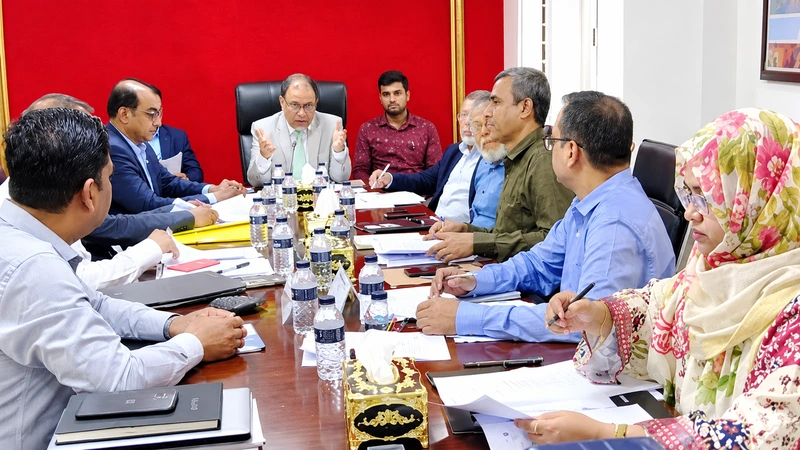
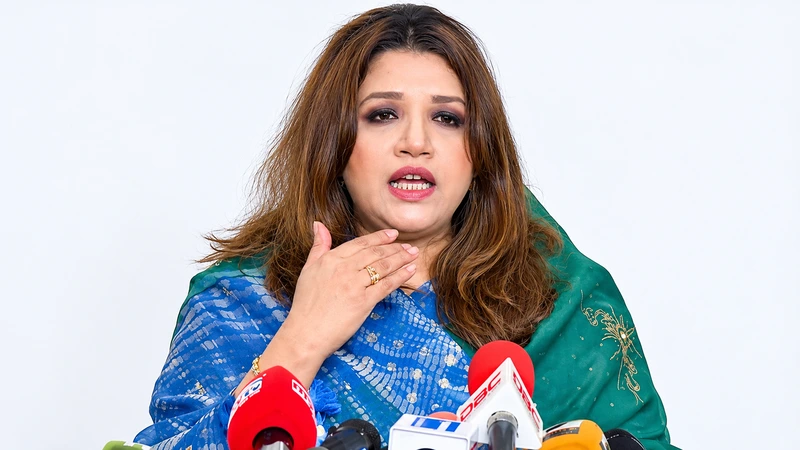
At a recent meeting, FID Secretary Nazma Mubarak instructed the banks to increase financing for cottage, micro, small and medium enterprises (CMSMEs), farmers, women entrepreneurs and new business owners.
The directive also emphasised the importance of maintaining proper lending standards and ensuring that credit flows towards productive economic activities.
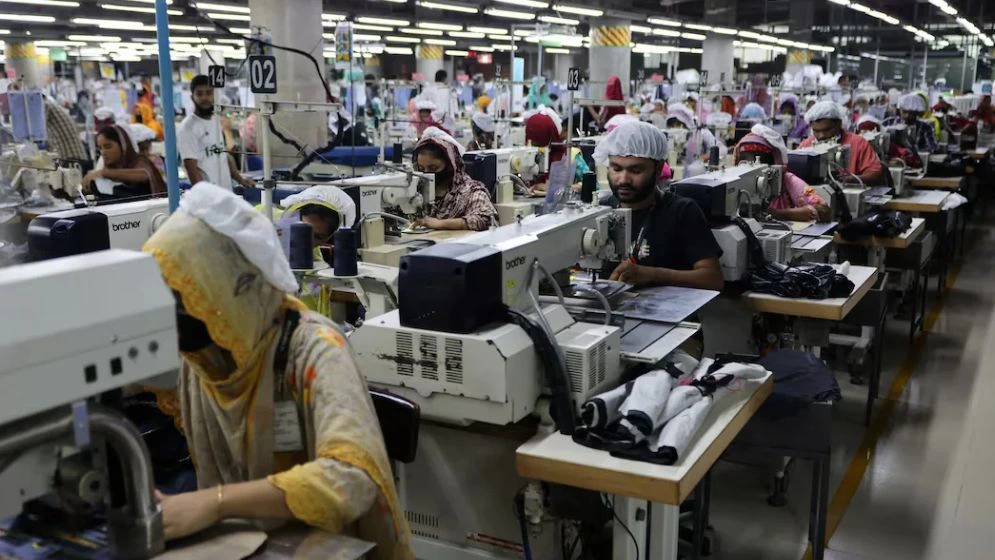
However, the latest figures suggest that lending to smaller businesses remains a challenge. CMSME loans across the six banks declined by 2% between December and June, falling to approximately Tk56,000 crore.
In the agricultural sector, the banks collectively disbursed around Tk4,000 crore in loans during the 2025-26 fiscal year, equivalent to roughly 10% of the national agricultural lending target.
The growing gap between deposits and lending therefore presents a major challenge for state-owned banks, which are under increasing pressure to turn their available financial resources into productive investments and support economic activity.