


Spurs Bounce Back in NBA Finals Game 3: Knicks Concerns Grow as Series Takes a Dramatic Turn
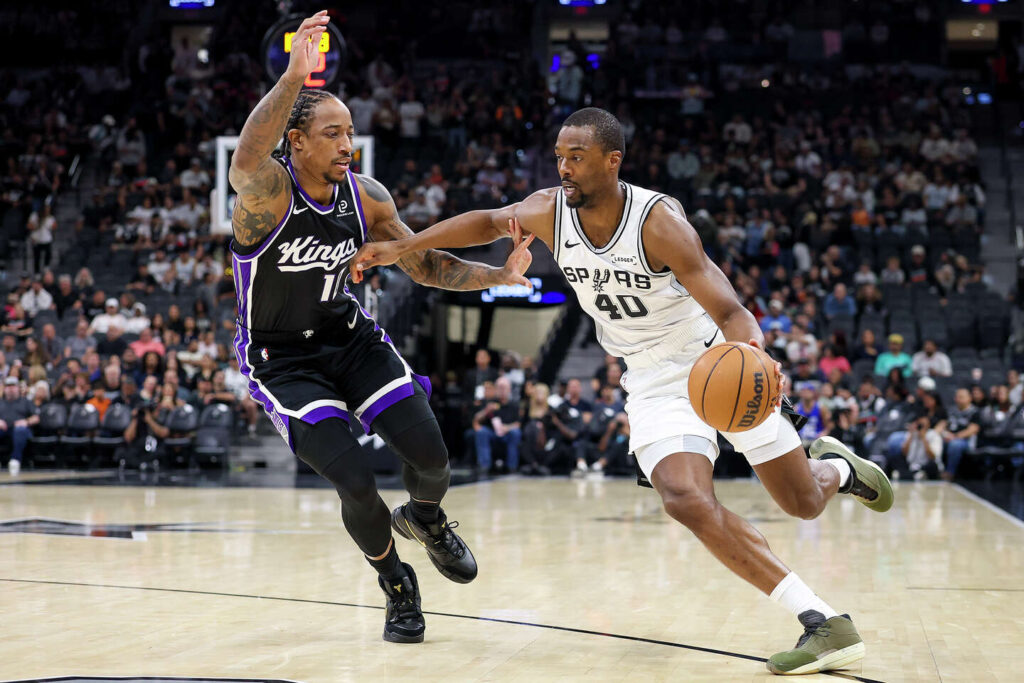
The Spurs responded with a crucial Game 3 win over the Knicks. Explore the biggest NBA Finals takeaways, key concerns, and what comes next.
Spurs Bounce Back, Knicks Concerns & More NBA Finals Game 3 Takeaways
The 2026 NBA Finals suddenly feel very different.
After dropping the first two games of the series, the San Antonio Spurs entered Game 3 facing enormous pressure. Another loss would have pushed them to the brink of elimination against a New York Knicks team riding a remarkable postseason wave.
Rather, the Spurs put up their best Finals effort.
Led by a dominant outing from Victor Wembanyama, San Antonio secured a 115-111 victory at Madison Square Garden, cutting New York’s series lead to 2-1 and injecting new life into the championship matchup. The win snapped the Knicks’ 13-game playoff winning streak and shifted momentum heading into a pivotal Game 4.
As discussed by basketball analyst Es Baraheni and others around the league, Game 3 revealed both the strengths that make the Spurs dangerous and the concerns that could threaten the Knicks’ championship hopes.
Why Game 3 Matters So Much
The NBA Finals are often decided by momentum swings.
Coming into Game 3, New York appeared firmly in control. The Knicks had survived two close games, protected home-court advantage, and looked poised to move within one win of their first championship in decades.
San Antonio changed that narrative.
Instead of folding under pressure, the Spurs responded with urgency, physicality, and improved execution on both ends of the floor. Their performance reminded everyone why they reached the Finals in the first place.
Just as importantly, Game 3 exposed several issues the Knicks must address immediately.
How the Spurs Turned the Series Around
Victor Wembanyama Looked Like a Superstar
The biggest takeaway from Game 3 was the performance of Wembanyama.
After facing criticism for mistakes late in Game 2, the Spurs star responded with 32 points, eight rebounds, six assists, and three blocks while controlling the game at both ends of the court.
His offensive aggression stood out.
Rather than settling for difficult perimeter shots, he attacked the paint, finished around the basket, and consistently pressured New York’s defense.
Championship teams need their stars to answer adversity. Wembanyama did exactly that.
The Spurs Made Key Defensive Adjustments
San Antonio’s coaching staff deserves credit.
The Spurs adjusted their defensive assignments and used their length more effectively. One important change involved allowing Wembanyama to spend more time protecting the rim while other defenders handled primary assignments.
The result was a more disciplined defensive effort that forced New York into uncomfortable possessions throughout the second half.
The Spurs Played With Greater Urgency
Teams facing a 0-2 deficit often reveal their character.
San Antonio embraced an aggressive “attack mode” mentality from the opening tip and maintained that intensity throughout the game. Their physical play and confidence prevented the Knicks from settling into their preferred rhythm.
Knicks Concerns Are Becoming Harder to Ignore
Overreliance on Jalen Brunson
Although Jalen Brunson scored 32 points, New York’s offense became increasingly predictable.
Too many possessions ended with Brunson isolating while teammates watched.
When the Knicks were moving the ball effectively earlier in the playoffs, they created open looks across the roster. In Game 3, that flow disappeared for long stretches.
Several analysts noted that the offense became stagnant, especially late in the game.
Karl-Anthony Towns Must Be More Involved
The Knicks need more from Karl-Anthony Towns.
After strong performances earlier in the series, Towns managed only 11 points and struggled to establish consistent offensive rhythm.
New York is at its best when Brunson and Towns create a balanced attack.
If Towns remains a secondary option, the Spurs will continue loading defensive attention toward Brunson.
Turnovers Changed the Game
One statistic stood above the rest.
The Knicks committed 13 turnovers that led directly to 21 Spurs points. Players and coaches acknowledged after the game that those mistakes played a major role in the loss.
In the NBA Finals, every possession matters.
New York simply gave away too many opportunities.
The Madison Square Garden Factor
For the first time this century, the NBA Finals returned to Madison Square Garden.
The atmosphere was electric.
Many expected the home crowd to overwhelm the young Spurs roster. Instead, San Antonio embraced the challenge and delivered one of its most impressive wins of the season.
That mental toughness could become a significant factor as the series progresses.
Championship teams often prove themselves in hostile environments, and the Spurs passed a major test.
Officiating Becomes a Talking Point
No playoff game is complete without controversy.
Following the loss, Knicks coach Mike Brown expressed frustration over a significant free-throw disparity during the second half. The Spurs attempted substantially more free throws after halftime, leading Brown to question several officiating decisions.
While officiating debates will continue, the Knicks themselves acknowledged that turnovers and execution issues were larger contributors to the defeat.
Expert Analysis: Who Has the Advantage Now?
The Knicks still lead the series 2-1.
That remains important.
However, Game 3 altered the psychological landscape of the Finals.
For two games, New York looked like the more complete team. After Monday’s result, San Antonio suddenly appears capable of winning multiple games in a row.
The Spurs discovered a defensive formula that disrupted the Knicks’ offensive flow, while Wembanyama demonstrated he can dominate a Finals game against elite competition.
From New York’s perspective, the response in Game 4 becomes critical.
A win restores control.
A loss turns the Finals into a best-of-three series.
What Happens Next?
Game 4 may become the defining contest of the entire NBA Finals.
For the Spurs, the objectives are clear:
- Continue attacking the paint
- Keep Wembanyama involved early
- Maintain defensive discipline
- Force Knicks turnovers
For the Knicks, several adjustments are necessary:
- Improve ball movement
- Reduce turnovers
- Re-engage Towns offensively
- Create more balanced scoring opportunities
If New York can make those corrections, the Knicks remain in a strong position.
If not, San Antonio may have found the blueprint for a comeback.
Frequently Asked Questions
1. Who won NBA Finals Game 3?
The San Antonio Spurs defeated the New York Knicks 115-111, cutting New York’s series lead to 2-1.
2. How did Victor Wembanyama perform?
Wembanyama finished with 32 points, eight rebounds, six assists, and three blocks in one of the best games of his Finals career.
3. What is the biggest concern for the Knicks?
Turnovers, offensive stagnation, and limited production from Karl-Anthony Towns emerged as major concerns in Game 3.
4. Why was Game 3 so important?
The Spurs avoided falling behind 3-0, a deficit that would have been extremely difficult to overcome in NBA Finals history.
5. What should fans watch for in Game 4?
Watch whether the Knicks can improve ball movement and whether the Spurs can repeat the defensive adjustments that fueled their Game 3 victory.
Conclusion
Game 3 reminded basketball fans why championship series are rarely predictable.
The Spurs entered Madison Square Garden under enormous pressure and responded with resilience, tactical adjustments, and star power from Victor Wembanyama. Their 115-111 victory transformed the NBA Finals from a potentially short series into a highly competitive battle.
For the Knicks, the loss is not a crisis, but it is a warning sign.
Turnovers, offensive imbalance, and inconsistent execution must be addressed quickly.
As Game 4 approaches, the pressure now shifts to New York. The Knicks still hold the advantage, but the Spurs have made one thing clear: this Finals series is far from over.