
Israel Launches Air Strikes on Lebanon as Iran Signals Possible U.S. Dealshor
Israel carried out new air strikes in Lebanon as Iran suggested a deal with the U.S. may be near, raising questions about Middle East stability.
The Middle East remains on edge after reports that Israel carried out fresh air strikes in southern Lebanon while Iranian officials suggested that a potential agreement with the United States could be drawing closer. The developments highlight the complex and interconnected conflicts shaping the region, where military actions and diplomatic negotiations are unfolding at the same time.
For U.S. policymakers, investors, and global observers, these events matter because they could influence regional stability, energy markets, international diplomacy, and American foreign policy. While negotiations between Washington and Tehran may offer a path toward de-escalation, ongoing military activity in Lebanon demonstrates that significant obstacles remain.
Israel’s Latest Air Strikes in Lebanon
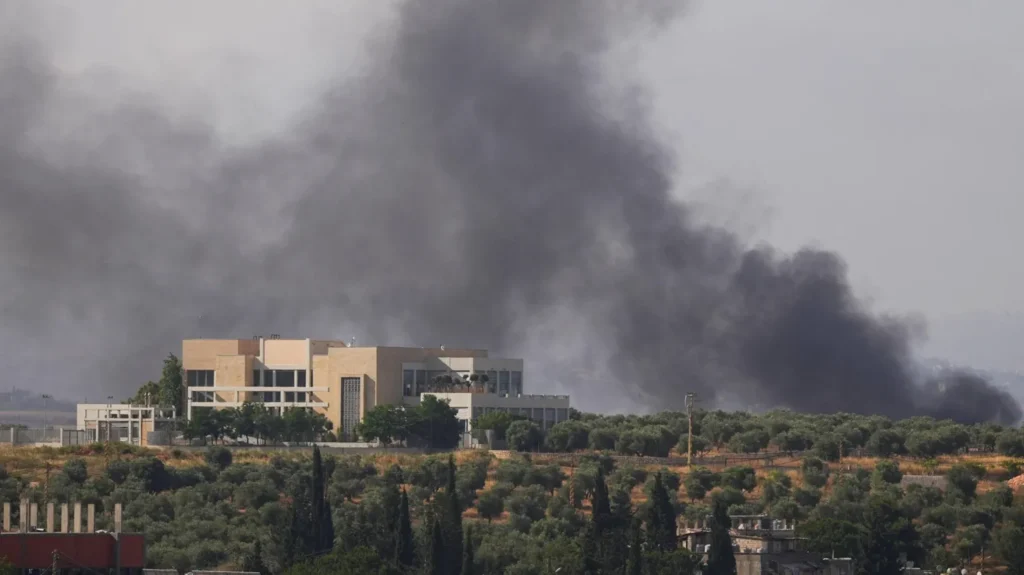
According to reports from Lebanese state media, Israeli forces launched air strikes in southern Lebanon after issuing evacuation warnings to residents in multiple locations. The strikes reportedly targeted areas near Nabatieh and other southern districts that Israel has frequently identified as areas where Hezbollah maintains a presence.
The military action followed Israeli warnings directing civilians to leave approximately 20 locations before operations began. Lebanese officials reported several strikes shortly afterward, continuing a pattern of military escalation along the Israel-Lebanon border.
Israeli officials have consistently argued that operations in southern Lebanon are aimed at preventing attacks from Hezbollah, the Iran-backed militant and political organization that has long been involved in cross-border hostilities with Israel. Meanwhile, Lebanese authorities have accused Israel of violating sovereignty and increasing the risk of a broader regional conflict.
Iran Says a U.S. Agreement Could Be Near
At the same time, Iranian officials have indicated that negotiations with the United States are moving forward and that a potential agreement could be within reach, although Tehran has cautioned that no final deal has yet been signed.
Reports suggest discussions have focused on ending months of military confrontation, reopening critical shipping routes, easing economic restrictions, and establishing a framework for future talks regarding Iran’s nuclear activities.
Despite the optimistic signals, significant disagreements reportedly remain. Key issues include sanctions relief, Iran’s nuclear program, regional security arrangements, and the future role of Iran-backed groups across the Middle East.
The contrast between diplomatic progress and military escalation highlights the fragile nature of current negotiations.
Why This Story Matters to Americans
Although the fighting is taking place thousands of miles from the United States, the consequences could be felt globally.
Energy Markets
The Middle East remains a critical region for global energy supplies. Any escalation involving Iran, Israel, or major shipping routes can affect oil prices and global economic stability. Recent discussions surrounding the Strait of Hormuz have underscored how quickly tensions can impact international markets.
U.S. Foreign Policy
Washington has invested significant diplomatic and military resources in the region. A successful agreement with Iran could reshape American strategy in the Middle East, while renewed violence involving Israel and Hezbollah could complicate those efforts.
Regional Stability
Lebanon, Israel, Iran, and several neighboring countries remain connected through a network of political, military, and economic relationships. Instability in one area often creates ripple effects across the broader region.
Background: The Israel-Lebanon Conflict
Tensions between Israel and Hezbollah have existed for decades.
Hezbollah emerged in Lebanon during the 1980s and has developed into one of the region’s most powerful non-state armed groups. The organization receives support from Iran and has repeatedly clashed with Israeli forces. Numerous conflicts, border incidents, and military operations have occurred over the years.
In recent months, hostilities have intensified. Israeli strikes, Hezbollah attacks, and military operations near the border have contributed to displacement, casualties, and ongoing security concerns. Previous ceasefire efforts have struggled to produce lasting stability.
The latest air strikes demonstrate that despite diplomatic activity elsewhere, the conflict between Israel and Hezbollah remains active.
How Iran Fits Into the Picture
Iran plays a central role in many of the region’s security dynamics.
Tehran has long supported Hezbollah and other allied groups throughout the Middle East. As a result, negotiations between the United States and Iran are closely watched by Israel and regional governments.
Israeli leaders have repeatedly expressed concerns that any agreement with Iran could provide Tehran with additional economic resources or political leverage without adequately addressing security concerns. Reports indicate that Israel is not directly participating in the current U.S.-Iran negotiations.
This creates a complicated diplomatic environment in which one set of negotiations may advance while military confrontations continue elsewhere.
Expert Analysis: Diplomacy and Conflict Are Moving on Separate Tracks
One of the most important aspects of the current situation is that diplomacy and military activity appear to be operating simultaneously rather than sequentially.
Historically, major diplomatic breakthroughs often require a reduction in violence before negotiations can succeed. In this case, however, regional actors appear to be pursuing military objectives while also exploring diplomatic solutions.
That approach carries risks.
Military escalation can quickly undermine political negotiations if casualties rise or public pressure increases. Conversely, successful diplomacy may reduce incentives for further conflict if parties believe long-term benefits outweigh short-term military gains.
Another challenge is that multiple actors are involved. The United States, Iran, Israel, Hezbollah, Lebanon, and other regional stakeholders all have different priorities and strategic goals. Even if Washington and Tehran move closer to an agreement, that does not automatically resolve disputes involving Israel and Hezbollah.
As a result, progress in one area may not immediately translate into peace across the region.
What Happens Next?
Several developments will likely determine the direction of events in the coming weeks:
1. Continued U.S.-Iran Negotiations
Observers will closely watch whether officials can finalize an agreement and whether both sides remain committed to implementation.
2. Israeli Military Operations
Future Israeli actions in Lebanon could significantly influence regional stability and diplomatic calculations.
3. Hezbollah’s Response
Any response from Hezbollah could either intensify or contain the conflict. The group’s decisions will be critical in determining whether tensions expand further.
4. International Pressure
The United States, European governments, and regional powers may increase diplomatic efforts to prevent a wider war.
FAQ
1. Why did Israel carry out air strikes in Lebanon?
Israel says its operations target threats linked to Hezbollah and are intended to prevent attacks against Israeli territory.
2. What is Hezbollah?
Hezbollah is a Lebanese political and militant organization backed by Iran that has been involved in numerous conflicts with Israel.
3. Is the United States involved in the fighting?
The United States is primarily engaged through diplomatic and security efforts, including negotiations with Iran and regional security partnerships.
4. Has the U.S. and Iran deal been finalized?
No. Officials have indicated progress, but reports suggest important issues remain unresolved and no final agreement has been formally signed.
5. Could the conflict spread across the region?
Yes. Analysts continue to warn that miscalculations by any major actor could trigger broader instability across the Middle East.
Conclusion
Israel’s latest air strikes in Lebanon and Iran’s claims that a deal with the United States may be near illustrate the Middle East’s increasingly complex security landscape. Military operations continue even as diplomatic channels remain active. For the United States and its allies, the coming weeks could prove critical in determining whether the region moves toward de-escalation or faces another period of heightened conflict.
While a potential U.S.-Iran agreement may offer hope for reducing tensions, the ongoing fighting in Lebanon serves as a reminder that peace in the Middle East often depends on multiple conflicts being addressed at the same time. Until that happens, uncertainty is likely to remain a defining feature of the region’s political and security environment.