

Why social media Is Influencing U.S. Politics More Than Ever in 2026
Discover why social media is shaping U.S. politics more than ever in 2026, influencing voters, campaigns, public opinion, and political debate.
Why social media Is Influencing U.S. Politics More Than Ever
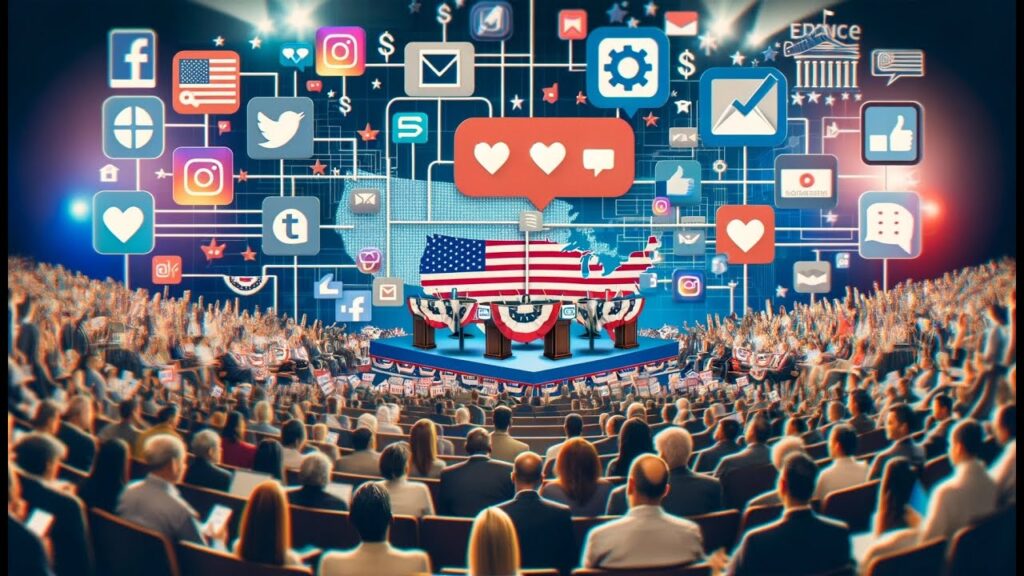
Social media has transformed nearly every aspect of modern life, but few areas have changed as dramatically as American politics. What began as a tool for sharing personal updates has evolved into one of the most powerful political communication platforms in the United States.
Today, politicians announce policies online, voters discuss issues in real time, and political movements gain momentum through viral content. Platforms such as Facebook, X, Instagram, TikTok, and YouTube have become central battlegrounds where public opinion is shaped and political narratives are created.
As Americans increasingly consume news through social media rather than traditional outlets, these platforms now play a larger role in political decision-making than ever before. The growing influence of social media is changing how campaigns operate, how voters engage with issues, and how democracy functions in the digital age.
Why This Topic Matters
Politics affects every aspect of American society, from the economy and healthcare to education and national security. The way citizens receive information about political issues directly influences voting behavior and public participation.
For decades, television, newspapers, and radio were the primary sources of political information. Today, millions of Americans get their news from social media feeds. This shift has dramatically changed the relationship between politicians, media organizations, and voters.
The growing power of social media raises important questions about misinformation, political polarization, election integrity, and the future of democratic engagement.
The Rise of Social Media as a Political Force
From Communication Tool to Political Platform
In the early days of social media, politicians mainly used platforms to connect with supporters and share campaign updates. Over time, social media became much more than a communication channel.
Political leaders can now reach millions of people instantly without relying on traditional news organizations. A single post can generate headlines, shape public discussion, and influence voter perceptions within hours.
This direct connection has fundamentally changed political communication in America.
The Growth of Digital News Consumption
One of the biggest reasons social media has gained political influence is the way people consume information.
Many Americans, particularly younger voters, now encounter political news while scrolling through social media platforms. Rather than visiting news websites directly, users often receive information through posts, videos, influencers, and recommendations generated by platform algorithms.
As a result, social media has become one of the primary gateways to political information.
How Social Media Shapes Public Opinion
Algorithms Influence What People See
Social media platforms use algorithms designed to maximize engagement. Content that receives likes, comments, shares, and reactions is given priority by these platforms.
Political content often triggers strong emotions, making it highly engaging. As a result, political posts frequently receive greater visibility.
This means algorithms can significantly influence which issues gain attention and how people perceive political events.
Viral Content Drives Political Narratives
In previous decades, major news organizations largely controlled political narratives. Today, viral posts, short videos, and trending hashtags can shape public conversations.
A political message can spread across the country within minutes, reaching millions of users before traditional media outlets even report on it.
This speed has increased the influence of social media on public opinion and political discourse.
Social Media’s Impact on Political Campaigns
Campaigns Are Becoming More Digital
Modern political campaigns invest heavily in social media advertising, content creation, and online engagement.
Candidates use social platforms to:
- Share policy positions
- Respond to opponents
- Raise campaign funds
- Mobilize supporters
- Promote events
- Encourage voter turnout
Digital outreach often costs less than traditional television advertising while allowing campaigns to target specific audiences more precisely.
Microtargeting Changes Political Strategy
Political campaigns can use data-driven advertising to reach voters based on demographics, interests, location, and online behavior.
This strategy allows campaigns to deliver customized messages to different voter groups.
Supporters argue that targeted communication increases voter engagement. Critics warn that it can create information bubbles where voters receive only selected viewpoints.
The Role of Influencers in Politics
Political Influencers Are Growing in Importance
Social media influencers now play a significant role in shaping political discussions.
Many content creators discuss elections, public policy, and current events with audiences that often exceed those of traditional news programs.
Their recommendations and opinions can influence how followers view candidates and political issues.
Younger Voters Trust Digital Voices
Younger Americans often engage with political content through creators they follow regularly.
Because these influencers appear more relatable than traditional politicians or news anchors, their messages may carry greater credibility among certain audiences.
This trend has made influencer partnerships an increasingly important strategy for political campaigns.
The Challenges of Political Content Online
Misinformation Remains a Major Concern
One of the biggest challenges associated with social media’s political influence is the rapid spread of misinformation.
False or misleading claims can circulate quickly, especially during election periods.
Because users often share content before verifying its accuracy, misinformation can reach large audiences in a short period of time.
Political experts continue to debate how platforms should balance free expression with efforts to limit misleading information.
Deepfakes and AI-Generated Content
Advances in artificial intelligence have introduced new concerns.
AI-generated videos, images, and audio clips can make it difficult for users to distinguish authentic content from manipulated material.
As these technologies become more sophisticated, election officials, policymakers, and technology companies face increasing pressure to address potential risks.
Social Media and Political Polarization
Echo Chambers Reinforce Beliefs
Social media algorithms frequently suggest content that users have already interacted with.
Over time, individuals may be exposed primarily to viewpoints that align with their existing beliefs.
This can create “echo chambers” where people encounter fewer opposing perspectives.
Many researchers argue that these environments contribute to growing political polarization in the United States.
Increased Political Conflict
Online discussions frequently become heated because social media encourages rapid reactions rather than thoughtful debate.
Short posts and emotional content often receive more attention than detailed policy discussions.
As a result, political disagreements can become more visible and more intense.
How Social Media Encourages Civic Engagement
While concerns exist, social media also provides important democratic benefits.
Easier Access to Information
Citizens can quickly learn about political issues, legislative developments, and election updates.
Government agencies, elected officials, and advocacy organizations can communicate directly with the public.
Greater Political Participation
Social media helps people:
- Register to vote
- Learn about elections
- Contact elected officials
- Participate in political discussions
- Organize community events
- Support social causes
Many grassroots movements have gained national attention through online platforms.
Recent Developments Increasing Social Media’s Influence
Several trends have strengthened social media’s political impact in recent years:
Short-Form Video Growth
Short-form video content has become one of the most popular ways to consume information online.
Political messages are increasingly delivered through quick, highly shareable videos that can reach large audiences rapidly.
Real-Time Political Coverage
Political events, debates, and major announcements are discussed instantly across social media platforms.
Voters can follow developments as they happen rather than waiting for scheduled news broadcasts.
AI-Powered Content Distribution
Artificial intelligence now plays a larger role in recommending political content to users.
These systems influence which stories gain visibility and how information spreads across digital communities.
What Happens Next?
The influence of social media on U.S. politics is likely to continue growing.
Several developments may shape the future:
- Increased regulation of political content
- Stronger transparency requirements for online advertising
- Enhanced efforts to combat misinformation
- Greater use of artificial intelligence in campaigns
- Continued growth of video-based political communication
- Expanding roles for influencers and content creators
At the same time, policymakers, technology companies, and voters will continue debating how to balance free speech, transparency, and election integrity.
The relationship between social media and politics will remain one of the most important issues facing American democracy.
Frequently Asked Questions
1. Why does social media have such a big impact on American politics?
Social media allows politicians, campaigns, and organizations to communicate directly with voters while rapidly spreading information to large audiences.
2. How does social media affect elections?
It influences voter awareness, political engagement, fundraising efforts, campaign messaging, and public discussions surrounding candidates and issues.
3. Can social media spread misinformation?
Yes. False or misleading information can spread quickly online, especially when users share content without verifying its accuracy.
4. Why do politicians use social media so much?
Social media provides cost-effective communication, direct voter engagement, audience targeting, and real-time messaging opportunities.
5. Will social media become even more important in future elections?
Most experts believe its influence will continue growing as digital communication, artificial intelligence, and online political engagement expand.
Conclusion
Social media has become one of the most powerful forces in American politics. It shapes public opinion, influences campaigns, drives political conversations, and affects how voters engage with democratic processes.
While concerns about misinformation, polarization, and digital manipulation remain significant, social media also creates opportunities for greater civic participation and broader access to political information.
As technology continues to evolve, social media’s role in U.S. politics will likely become even more influential. Understanding its impact is essential for voters, policymakers, and anyone interested in the future of American democracy.