


Bangladesh Among 29 Nations Hit by Deceptive Russian Military Recruitment, UN Says
The UN commission says civilians from 29 countries were recruited through fraudulent job offers and coercion, with many later sent to fight in Ukraine.
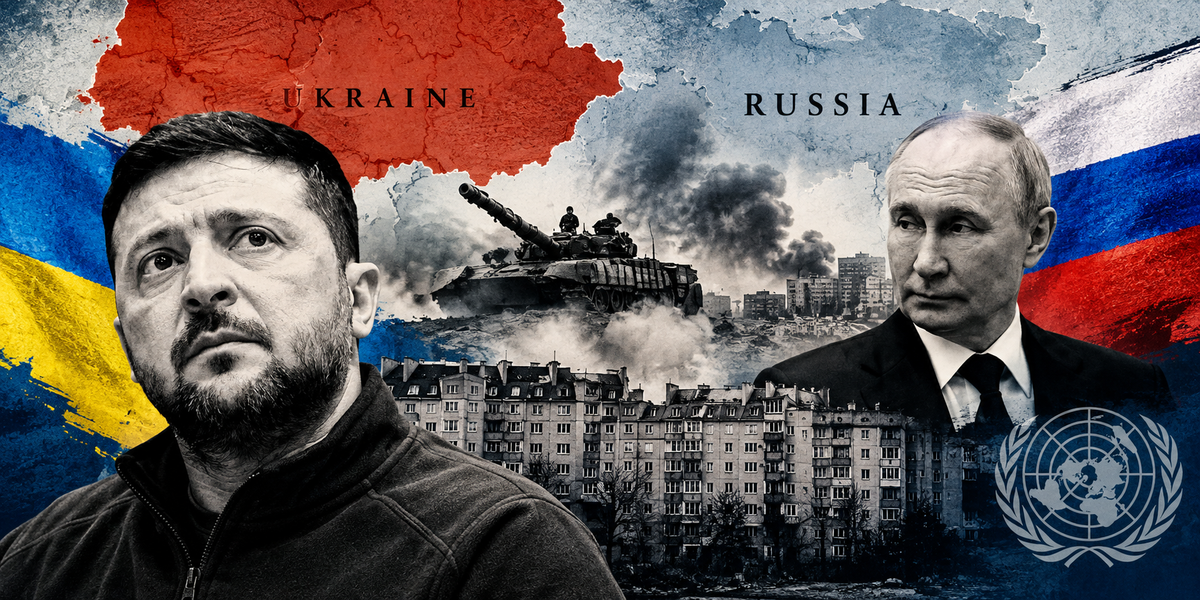
A United Nations investigative commission has found evidence that citizens of Bangladesh and 28 other countries were deceived or coerced into joining Russia’s armed forces after being promised civilian employment.
According to a report prepared for submission to the UN General Assembly, recruitment networks operating across multiple countries used fraudulent job offers and other deceptive practices to enlist foreign nationals. Many were subsequently deployed to the front lines of Russia’s war against Ukraine, where some were killed, wounded, captured or reported missing.
The Independent International Commission of Inquiry on Ukraine examined recruitment involving citizens of 48 countries and found evidence of fraud or coercion in cases involving nationals from 29 of them. Besides Bangladesh, the countries identified include India, Nepal, Sri Lanka, the Philippines, Ghana, Nigeria, Kenya and Uzbekistan.
Civilian Jobs Used as a Recruitment Bait
The commission found that the victims were men aged between 18 and 60, many of whom came from economically disadvantaged backgrounds and had limited access to education.
Recruiters allegedly exploited their financial difficulties by advertising well-paid jobs in Russia through social media and other channels. Positions were presented as opportunities for security guards, drivers, construction workers, mechanics, electricians, factory workers and cleaners. Some candidates were also reportedly promised Russian citizenship and additional benefits.
According to the report, recruiters often portrayed themselves as legitimate or officially authorized agencies. They used invitation letters and other documents to make the employment offers appear credible before arranging visas, air tickets and travel to Russia.
In some cases, recruiters accompanied the candidates during their journey.
Bangladeshis Travelled on Business Visas
In cases involving Bangladeshi nationals, the commission obtained copies of several business visas used to facilitate travel to Russia.
The documents showed that a Russian civilian organization had issued invitations to Bangladeshi citizens. Although the paperwork described their intended travel as civilian, the commission’s broader findings indicated that similar arrangements had been used to facilitate recruitment into the Russian military.
The findings raise concerns about the use of apparently legitimate travel and employment procedures to conceal the actual purpose of recruitment.
Military Contracts Signed Under Pressure
The commission reported that many foreign nationals were compelled to sign military contracts with Russia’s Defence Ministry after arriving in the country.
Because the contracts were written in Russian, some recruits could not understand the terms they were accepting. In certain cases, their passports and mobile phones were confiscated, while their freedom of movement was restricted.
Many subsequently learned that they would be serving in the Russian armed forces rather than taking up the civilian jobs they had been promised.
The report cited the account of a victim’s wife, who said her husband’s passport had been taken away before he was instructed to sign documents. The contract was written entirely in Russian, and he was placed under intense pressure with virtually no alternative, according to her testimony.
The commission said some recruits were later sent to front-line positions in Ukraine, where they faced dangerous assignments.
Families Left in Debt and Uncertainty
The consequences have extended beyond the recruits to their families, many of whom invested heavily in the promise of overseas employment.
According to the report, some families borrowed money or sold assets to pay recruitment fees and other expenses. They were subsequently left struggling to establish the whereabouts of missing relatives or obtain reliable information about their fate.
Some families who learned of a relative’s death were unable to bring the remains home. The commission also found that recruitment agents sometimes stopped responding to calls from relatives seeking information or assistance.
These circumstances have compounded the financial hardship and emotional distress faced by affected families.
UN Calls for Action Against Recruitment Networks
The commission reported evidence of extensive coordination between recruitment networks operating in different countries and Russian authorities.
It linked the alleged practices—including false employment promises, deception, exploitation of financial vulnerability and forced signing of military contracts—to the trafficking of foreign nationals for recruitment into the armed forces.
The commission urged Russian authorities to halt such recruitment, release trafficking victims from military service and ensure investigations and prosecutions against those responsible.
It also recommended that governments in affected countries work with Russian authorities to secure the release of their citizens, take action against trafficking networks and increase public awareness of fraudulent overseas employment schemes.
BRAC Had Previously Warned of Similar Cases
The findings echo concerns raised earlier by BRAC, the Bangladesh-based development organization.
In a research report published by its Migration Programmed in November 2025, BRAC warned that Bangladeshi nationals had travelled to Russia on valid visas after being offered well-paid civilian jobs, only to be forced to sign military contracts and sent to the battlefield.
Based on interviews with victims and their families, the report called for coordinated action by the government and international partners to prevent recruitment fraud and help affected Bangladeshis return home.
Bangladeshi media have also reported on nationals drawn into the Russia-Ukraine war and the hardship experienced by their families. Various reports have cited at least 54 Bangladeshi deaths over the past three years, although the figure requires verification against authoritative records.
Questions Remain Over the Scale of Recruitment
The UN commission’s findings highlight the international dimension of deceptive recruitment practices that can expose vulnerable jobseekers to armed conflict.
For Bangladesh, key questions remain unanswered: how many citizens have been recruited through such schemes, who organized their recruitment, and where those who are missing or believed to be held in Russia are currently located.
The findings underscore the need for further investigation, stronger safeguards against fraudulent overseas employment offer and coordinated efforts to identify and assist affected Bangladeshi nationals and their families.