

California held a busy primary election to choose the next governor. Gavin Newsom
California voters are deciding who will advance in the crowded 2026 governor’s race to replace Gov. Gavin Newsom. Learn about the key candidates, major issues, and what comes next.
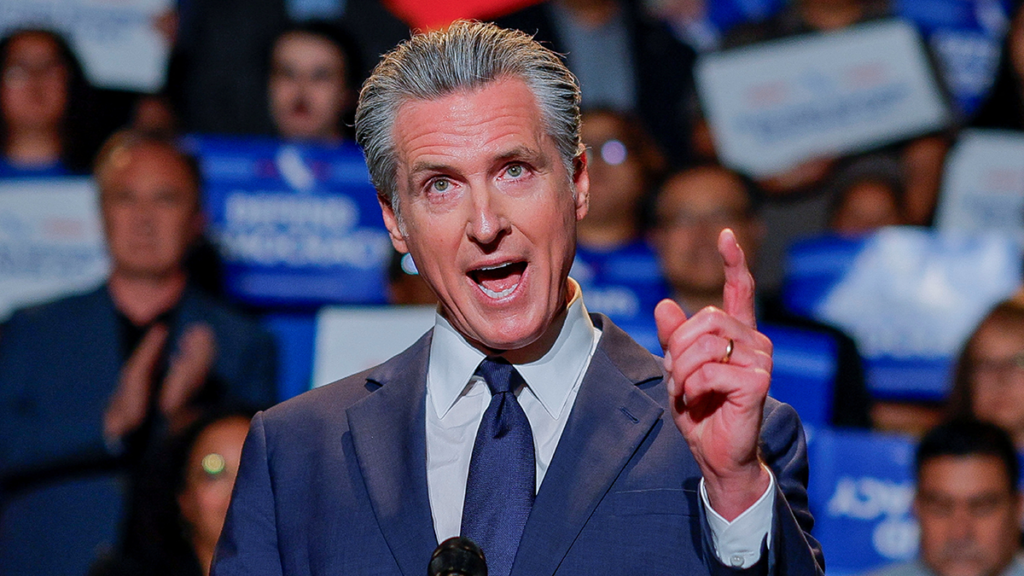
California Voters Decide Who Advances in Historic Governor’s Race
California voters are heading to the polls in one of the most closely watched elections of 2026 as they decide which candidates will move forward in the race to replace Governor Gavin Newsom. With Newsom unable to seek another term due to term limits, a large and diverse field of candidates is competing for the opportunity to lead the nation’s most populous state.
The California gubernatorial primary has attracted significant national attention because of the state’s influence on economic policy, climate initiatives, technology innovation, and national politics. More than 60 candidates have appeared on the ballot, making it one of the most crowded governor’s races in recent California history.
Why the California Primary Matters
California’s economy ranks among the largest in the world, and the state’s political decisions often shape national debates. The next governor will have to deal with big challenges, including:
- Rising housing costs
- Homelessness and public safety concerns
- Climate change and environmental policies
- Economic growth and job creation
- Infrastructure and transportation improvements
As voters weigh their options, the outcome of this primary could influence not only California’s future but also the broader direction of American politics.
Understanding California’s Top-Two Primary System
Unlike many states, California uses a “top two” primary system. All the candidates, no matter which political party they are in, are listed on the same ballot. The two people who get the most votes move on to the general election, even if they are from the same party.
This system creates unique political dynamics. In a crowded race, candidates must compete not only against opposing parties but also against members of their own party. As a result, vote splitting can play a significant role in determining who advances.
Key Candidates in the Race
Several high-profile candidates have emerged as leading contenders in the race to succeed Newsom.
Xavier Becerra
Former U.S. Health and Human Services Secretary Xavier Becerra has gained support from many Democratic voters and political leaders. His experience in both state and federal government has positioned him as one of the leading candidates.
Tom Steyer
Billionaire businessman and environmental advocate Tom Steyer has invested heavily in his campaign. He has focused on affordability, economic opportunity, and climate action.
Katie Porter
Known for her consumer advocacy and direct approach during her time in Congress, Katie Porter has attracted progressive voters seeking reform-oriented leadership.
Steve Hilton
Republican candidate Steve Hilton has emerged as one of the strongest GOP contenders. His campaign emphasizes tax relief, economic growth, and reducing government regulations.
Chad Bianco
Riverside County Sheriff Chad Bianco has built support among voters focused on law enforcement and public safety issues.
Major Issues Driving Voter Decisions
The cost of living remains the dominant issue for many Californians. High housing prices, inflation, and concerns about affordability have become central topics throughout the campaign. Candidates have proposed a range of solutions, from tax reforms to housing development initiatives.
Other major issues include:
- Public safety
- Education funding
- Healthcare access
- Energy policy
- Immigration
- Environmental protection
These concerns are shaping voter preferences and could ultimately determine which candidates advance to the general election.
What Happens After the Primary?
Once votes are counted, the two candidates with the highest vote totals will move on to the November general election. Because California processes millions of mail-in ballots, final results may take several days or even weeks to become official.
Political analysts view this election as a pivotal moment for California. The next governor will inherit significant opportunities and challenges while helping define the state’s role in national politics for years to come.
The 2026 California gubernatorial primary represents a major turning point for the state. With Governor Gavin Newsom leaving office and a crowded field of candidates competing for voter support, Californians are making a critical decision about the future of their state. As ballots are counted and results emerge, the race will offer important insights into voter priorities, and the direction California may take in the years ahead.