


Shafiqur Rahman Warns of ‘Footsteps of Fascism’ as 11-Party Alliance Ends Long March

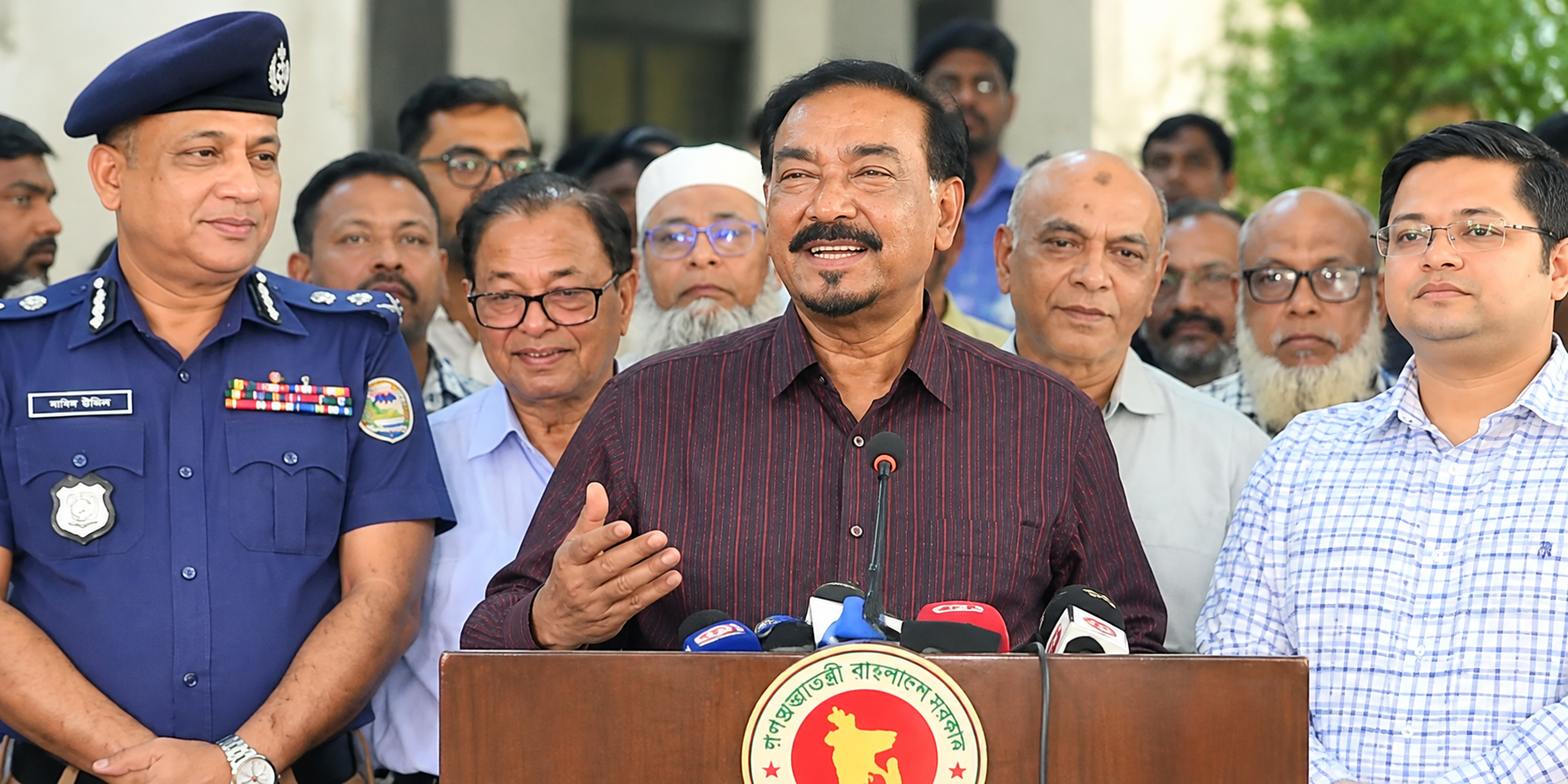
DHAKA, Bangladesh — Jamaat-e-Islami Ameer and Opposition Leader Shafiqur Rahman has warned that Bangladesh is once again showing signs of authoritarianism, accusing the BNP-led government of weakening democratic institutions and failing to resolve pressing economic and public-service problems.
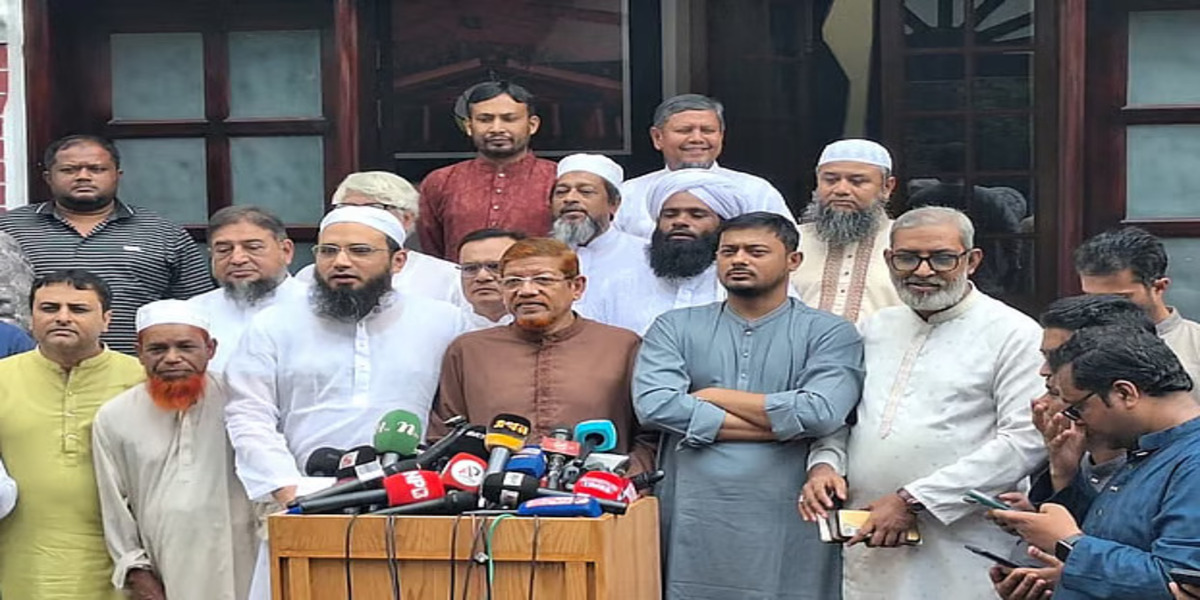
Shafiqur Rahman made the remarks Saturday as the Jamaat-led 11-party alliance completed a long march from Dhaka to Chattogram with a rally at Laldighi Maidan.
Addressing the gathering, he questioned the government’s commitment to democratic governance, alleging that political loyalists were being placed in important administrative positions despite earlier promises to strengthen elected local government.
“The BNP promised in its 31-point election manifesto that elected representatives would govern at every level,” Shafiqur said. “But today, party loyalists are being appointed as administrators across state institutions. Is this democracy, or is it fascism?”
He said the alliance was not currently calling for the government’s immediate removal but warned that continued failures could increase public opposition to the administration.
The alliance has presented six principal demands, including implementation of the referendum verdict, trials related to the July mass killings, measures to resolve shortages of electricity, gas, fuel and fertilizer, action to curb rising prices, improved law and order, and an end to political interference in government administration. It has also demanded measures against corruption and extortion.
The march started at Shapla Chattar in Motijheel and continued along the Dhaka-Chattogram highway. The large convoy led to traffic congestion in several areas, including Kanchpur, Paduar Bazar in Cumilla and Mahipal in Feni.
Jamaat’s media cell said about 1,500 vehicles took part in the procession. Organizers had earlier said participants would occupy one side of the highway in an effort to limit disruption to regular traffic.
At Shimrail in Narayanganj, Shafiqur said the movement was intended to press for implementation of what he described as the people’s mandate following the July mass uprising and referendum.
“We have come to the streets to implement the people’s verdict and uphold the spirit of the July mass uprising,” he said, adding that the alliance wanted reliable gas and electricity supplies restored to households.
National Citizen Party Convener Nahid Islam, another prominent speaker at the events, called on Prime Minister Tarique Rahman to acknowledge that the government would need cooperation from opposition parties to tackle the country’s challenges.
Nahid said ensuring uninterrupted supplies of fuel, gas and electricity was essential for the government’s political survival.
At Paduar Bazar, Jamaat Nayeb-e-Ameer Syed Abdullah Mohammad Taher described the march as a warning rather than an immediate campaign to force the government out of office.
He urged the government to prepare a credible plan to address the problems raised by the alliance.
Nahid separately accused the government of failing to meet promises made before the election and alleged that corruption and syndicate activities involved the families of some ministers. He warned that if the six demands remained unresolved, the alliance could eventually turn them into a single political demand.
At Mahipal, Shafiqur Rahman intensified his criticism, saying the government was moving in an increasingly authoritarian direction.
“This government has begun betraying the people. We can hear the footsteps of fascism,” he said, warning that the alliance would resist attempts to intimidate or obstruct its movement.
Shafiqur Rahman also criticized the government’s handling of the country’s electricity shortages and alleged delays in trials connected to mass killings, including incidents at Shapla Chattar and Pilkhana.
“There is electricity at the power minister’s home. There is electricity in parliament, but ordinary people have no electricity in their homes,” he said.
At Mirsarai in Chattogram, Jamaat Secretary General Mia Golam Porwar accused the government of using its Family Card and Farmers Card programs to maintain political support.
“The government may have two cards, but the people have the red card,” Porwar said, suggesting that voters could soon use their political power against the administration.
Liberal Democratic Party President Col. (retd.) Oli Ahmad, who chaired the concluding rally, also questioned the government’s prospects, saying public doubts about its durability had emerged unusually early.
He alleged that politically affiliated individuals were being placed in municipalities, city corporations and district councils and questioned whether such appointments were consistent with democratic accountability.
The alliance says it will continue its political campaign until its demands, which it describes as matters of public rights and democratic accountability, are addressed.