



Lindsey Graham Dies at 71 After Brief Illness: Veteran U.S. Senator and Republican Leader Passes Away
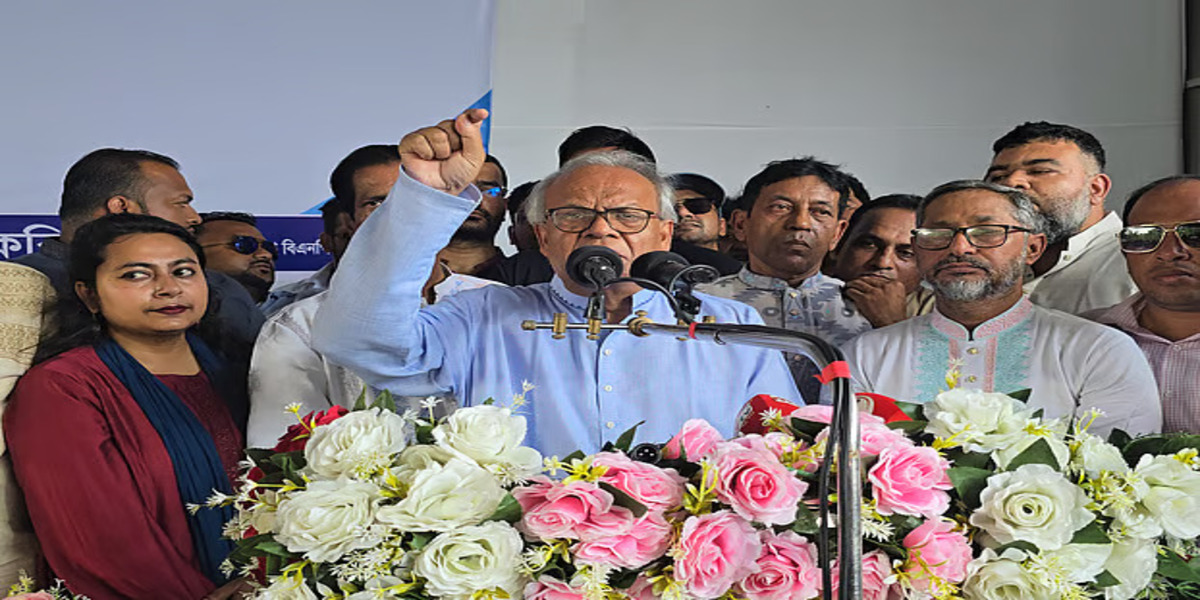
President Donald Trump paid tribute to Graham, a leading Republican figure in defense and foreign policy, calling him a “true American patriot.
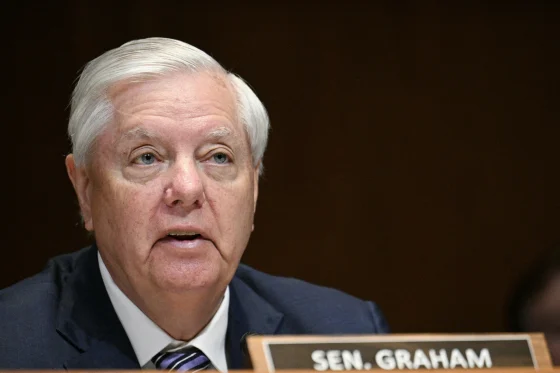
Washington, D.C. – U.S. Senator Lindsey Graham, a prominent Republican from South Carolina and a key figure in American politics for over three decades, has died at the age of 71 following what his office described as a “brief and sudden illness.” The announcement was made on July 12, with Graham’s family requesting privacy during their time of mourning.
President Donald Trump led the tributes, calling Graham a “true American patriot.” At the same time, political leaders from both sides of the aisle acknowledged his extensive contributions to public service, particularly in the realms of national security and foreign policy.
Graham’s Political Legacy
Lindsey Graham was first elected to the U.S. Senate in 2003 after serving in the U.S. House of Representatives and the South Carolina state legislature. Throughout his lengthy career, he became known as a leading voice on issues concerning defense, military affairs, judicial nominations, and international relations. His experience encompassed critical roles, including chairmanships of the Senate Judiciary Committee and the Senate Budget Committee.
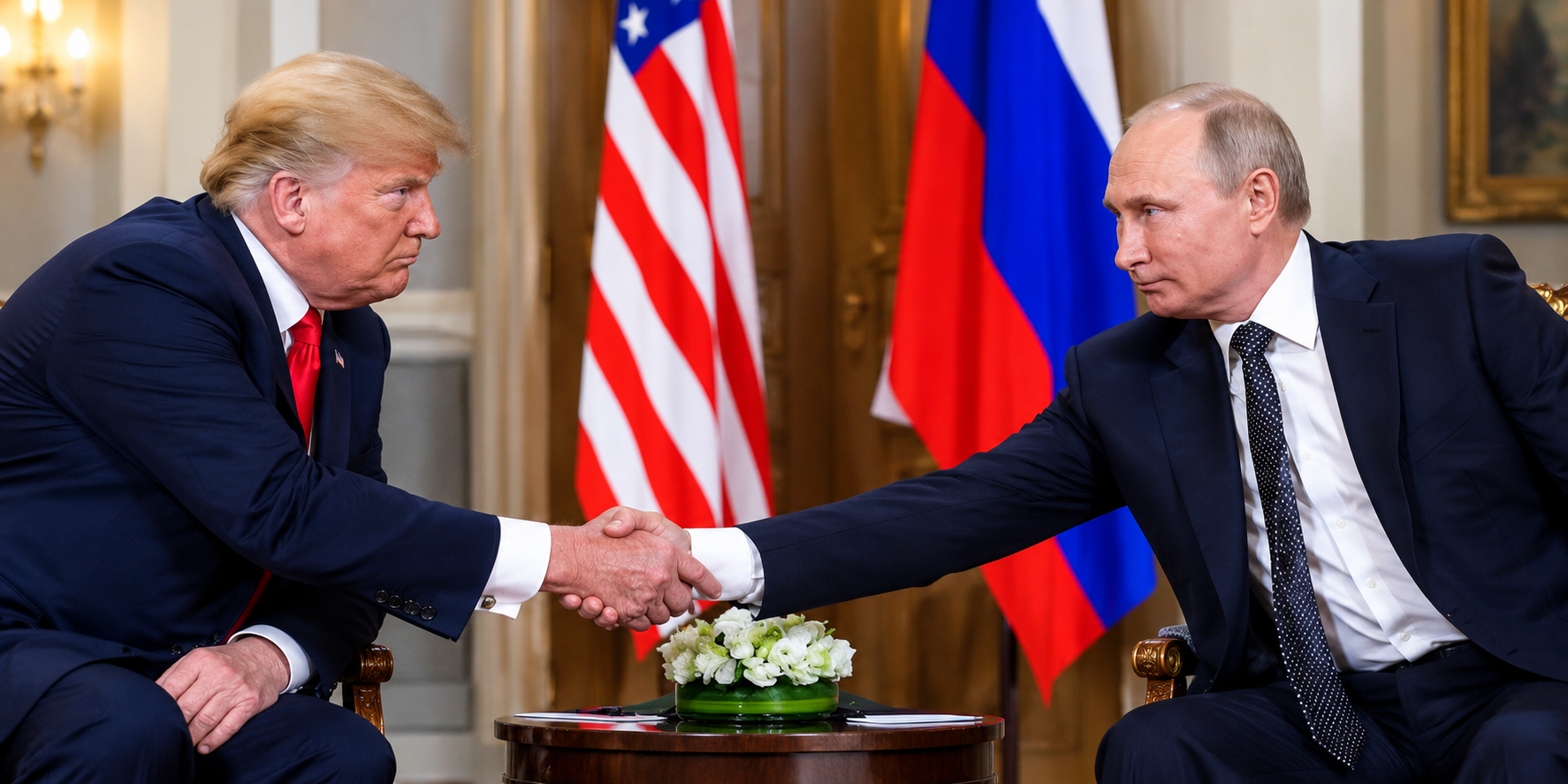
Graham’s political journey reflected significant transformations in the Republican Party, particularly during the Trump era. Initially a vocal critic of Trump during the 2016 presidential primaries, he later evolved into one of Trump’s staunchest allies, often consulted on foreign policy matters. This shift mirrored broader realignments within the party and served to redefine his role within Washington’s political landscape.
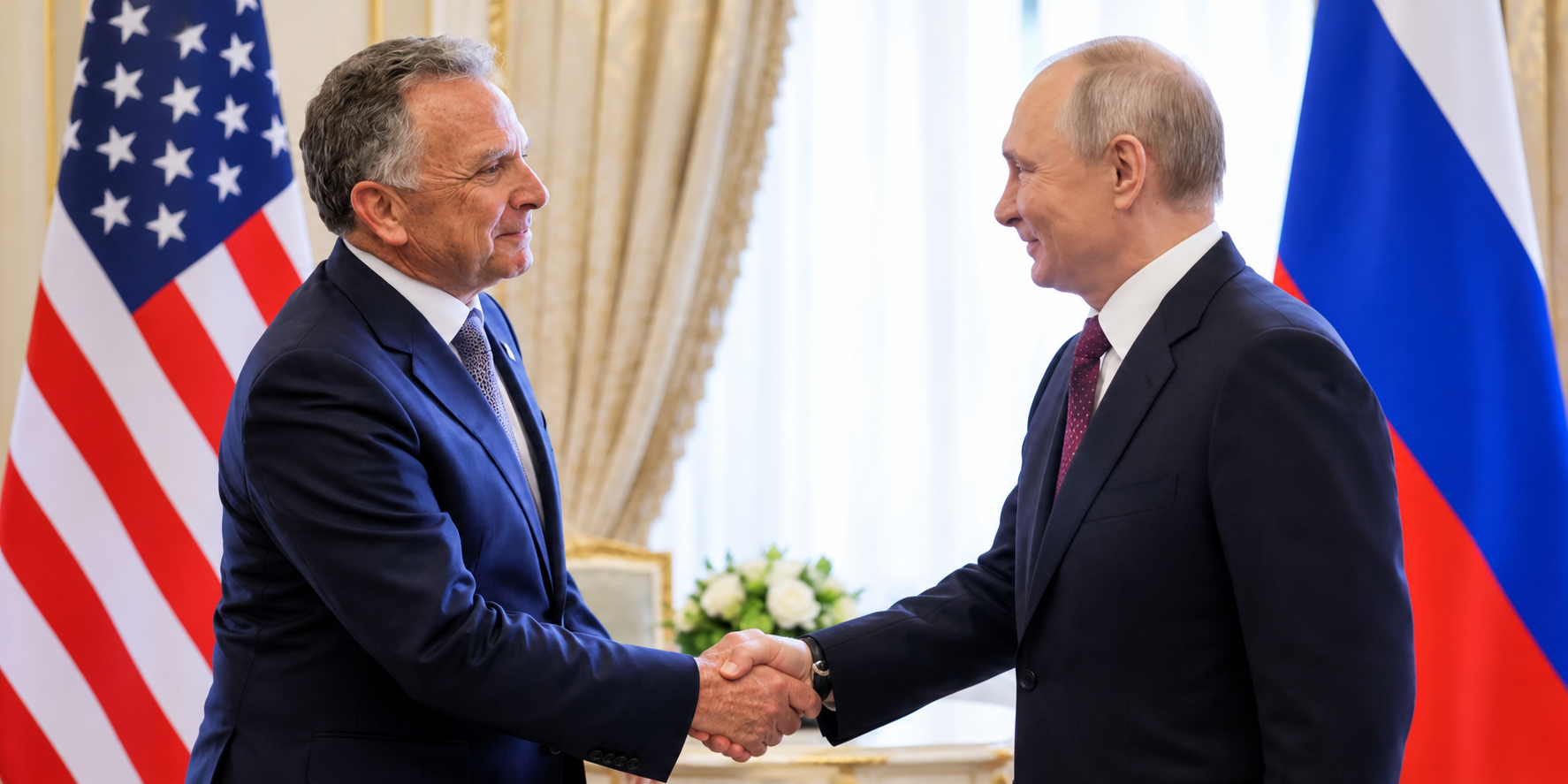
In recent years, Graham was an outspoken advocate for strong U.S. support of allies such as Ukraine and Israel, and he consistently championed a robust American military presence globally. Reports indicate that he had returned from a visit to Ukraine shortly before his passing.

Reactions and Implications
Graham’s death creates a vacancy in South Carolina’s Senate delegation, and state procedures will determine both an interim appointment and the process for permanently filling the seat. His absence is expected to have significant ramifications for the Republican conference, particularly in committees responsible for budgetary matters, judiciary issues, and foreign policy.
Political analysts note that Graham was instrumental in bridging traditional Republican foreign policy priorities with the Trump administration’s agenda. His stances on military spending, sanctions, NATO, and support for Ukraine shaped Republican messaging on national security.
As of now, further details regarding the cause of Graham’s illness have yet to be disclosed. In the days ahead, attention will likely turn to funeral arrangements, official tributes from congressional leaders, and South Carolina’s plans to address the Senate vacancy, alongside potential shifts in Senate committee leadership and Republican strategy on key legislative and foreign policy priorities.
While Graham was a polarizing figure in many debates, leaders from across the political spectrum have recognized his significant contributions to Congress and his ability to engage in bipartisan efforts, highlighting a career characterized by both cooperation and division as the political landscape evolved.