



Us and iran update: US and Iran to Resume Doha Talks After Weekend Strikes, Focus on Strait of Hormuz Security
DOHA, Qatar (AP) — The United States and Iran are set to resume diplomatic talks in Doha as early as Tuesday following a weekend of military strikes that sharply increased tensions across the Middle East, according to officials familiar with the negotiations.
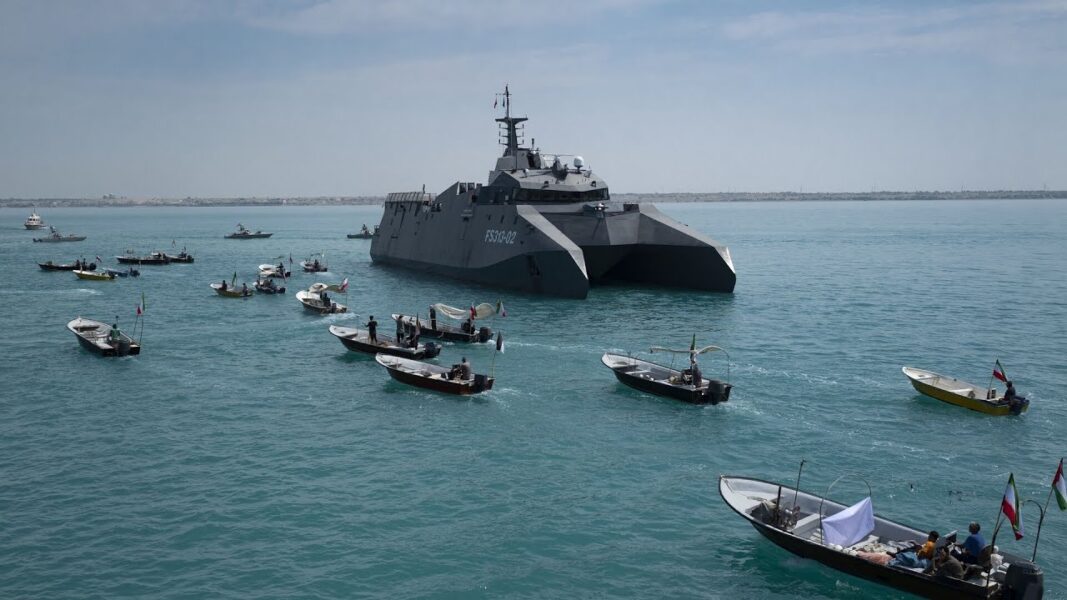
The proposed discussions, initiated by Washington, are expected to focus primarily on security in the Strait of Hormuz, one of the world’s most strategically important maritime routes. The narrow waterway connects the Persian Gulf with the Gulf of Oman and the Arabian Sea and serves as a critical transit point for global oil and liquefied natural gas shipments.
Officials from both countries have not publicly confirmed the final schedule for the meetings, but diplomatic sources said preparations are underway in the Qatari capital. Qatar has previously acted as an intermediary between Washington and Tehran, hosting indirect negotiations on regional security and nuclear-related issues.
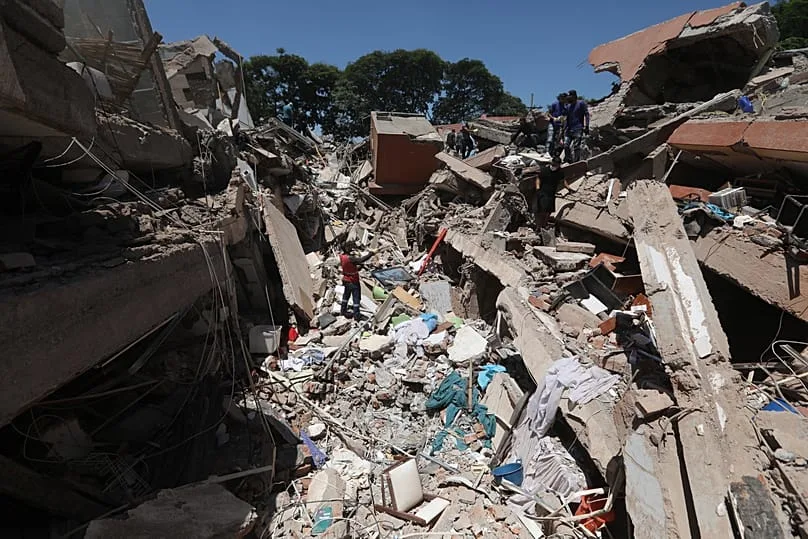
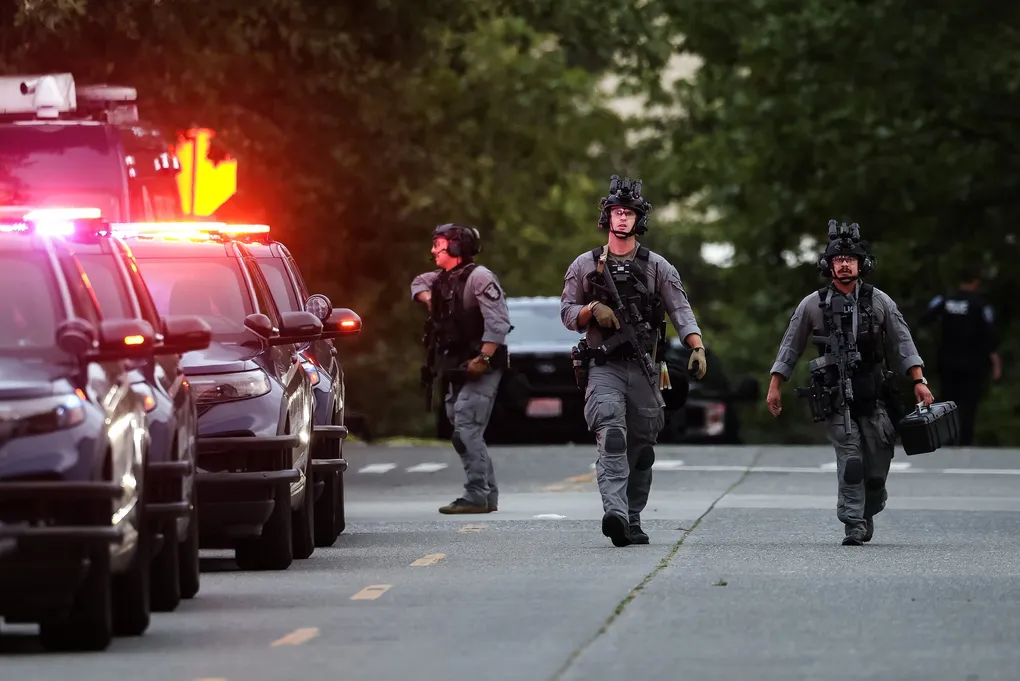
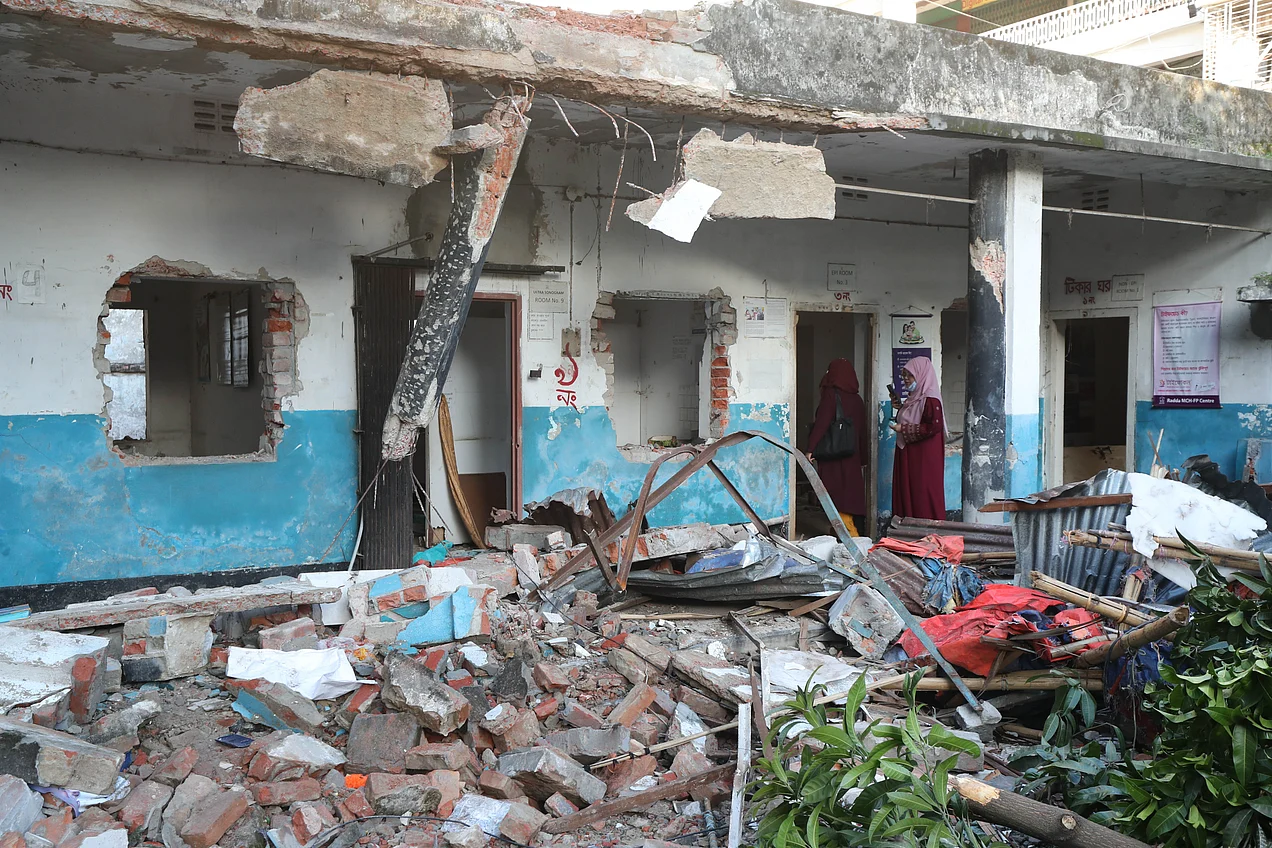
The renewed diplomatic engagement follows a weekend of military action that heightened concerns about a broader regional conflict. Although details surrounding the strikes remain limited, the escalation prompted calls from regional governments and international organizations for restraint and renewed dialogue.
Diplomatic sources said the immediate priority of the upcoming talks will be reducing tensions in and around the Strait of Hormuz, where commercial shipping has faced repeated security concerns in recent years. Officials are expected to discuss measures aimed at preventing incidents involving naval forces and ensuring the uninterrupted movement of commercial vessels through the waterway.
The Strait of Hormuz remains one of the world’s most critical energy corridors. According to international energy agencies, roughly one-fifth of global petroleum consumption passes through the passage each day. Any disruption to shipping in the area can have significant consequences for global energy supplies, international trade and financial markets.
Market analysts closely monitored developments over the weekend as investors assessed the potential impact of increased military activity on oil exports from Gulf producers. While energy markets have experienced volatility during previous periods of regional instability, traders are expected to continue watching diplomatic developments for indications of whether tensions will ease.
The United States and Iran have had limited direct diplomatic engagement for decades, with relations marked by disagreements over Iran’s nuclear program, regional security, economic sanctions and military activities throughout the Middle East.
Negotiations between the two countries have periodically taken place through intermediaries, including Qatar and Oman. Those discussions have addressed issues ranging from nuclear commitments and sanctions relief to prisoner exchanges and regional de-escalation efforts.
Officials familiar with the latest initiative said this week’s meeting is expected to concentrate on immediate security concerns rather than broader political disputes. Maritime safety, military communications and mechanisms to avoid unintended confrontations are expected to be among the principal topics under discussion.
Security experts have long warned that the presence of multiple military forces operating in the Gulf increases the possibility of miscalculation during periods of heightened tension. Diplomatic channels are often viewed as an important means of reducing the risk of accidental escalation.
The United States has maintained a significant naval presence in the region for decades to protect commercial shipping routes and support regional security partnerships. Iran also maintains substantial military capabilities along its southern coastline, including naval forces operating in the Persian Gulf and surrounding waters.
Previous incidents involving commercial tankers, naval patrols and the seizure of vessels have underscored the strategic importance of maintaining stability in the Strait of Hormuz. Such events have periodically disrupted maritime traffic and prompted increased international naval deployments.
Regional governments have continued to urge both Washington and Tehran to pursue diplomatic solutions while avoiding actions that could further destabilize the Middle East. Gulf nations have emphasized the importance of protecting commercial shipping and preserving regional economic stability.
International observers also view Qatar’s role as a mediator as significant. The Gulf state has hosted multiple rounds of indirect negotiations between the United States and Iran in recent years and has maintained diplomatic communication with both governments during periods of heightened tensions.
While the upcoming discussions represent a renewed diplomatic effort, analysts caution that expectations for immediate breakthroughs remain limited. Long-standing disagreements over sanctions, regional military activities and Iran’s nuclear program continue to complicate broader negotiations between the two countries.
The United States has consistently stated that it seeks to prevent Iran from developing a nuclear weapon while maintaining freedom of navigation in international waterways. Iranian officials have repeatedly said their nuclear program is intended for peaceful civilian purposes and have criticized U.S. sanctions imposed over the past several years.
Despite these differences, officials from both sides have occasionally expressed support for dialogue aimed at preventing military confrontation and reducing regional tensions.
The latest talks are expected to focus on practical measures that could lower the immediate risk of conflict rather than attempting to resolve broader geopolitical disputes. Diplomats involved in the process say confidence-building measures could create conditions for future discussions on more complex issues if progress is made.
International shipping companies and energy producers are expected to monitor the outcome of the Doha meetings closely. Any agreement that improves maritime security could help reduce uncertainty in global energy markets and support uninterrupted commercial trade through the Gulf.
Financial markets have historically reacted to developments involving the Strait of Hormuz because of its importance to global energy exports. Even temporary disruptions have the potential to influence oil prices, shipping costs and broader economic conditions.
Neither the White House nor Iran’s Foreign Ministry has released a detailed public statement outlining the agenda for the planned discussions. Officials from both governments have remained cautious in describing expectations before the meetings begin.
Diplomatic observers say the decision to resume talks, despite the recent military escalation, reflects a shared interest in preventing further deterioration of regional security. Whether the negotiations produce concrete agreements or simply establish continued communication remains uncertain.
The meetings in Doha are expected to be closely followed by governments across the Middle East, international energy markets and global policymakers seeking signs that diplomacy can reduce tensions following one of the region’s most serious recent periods of military confrontation.