
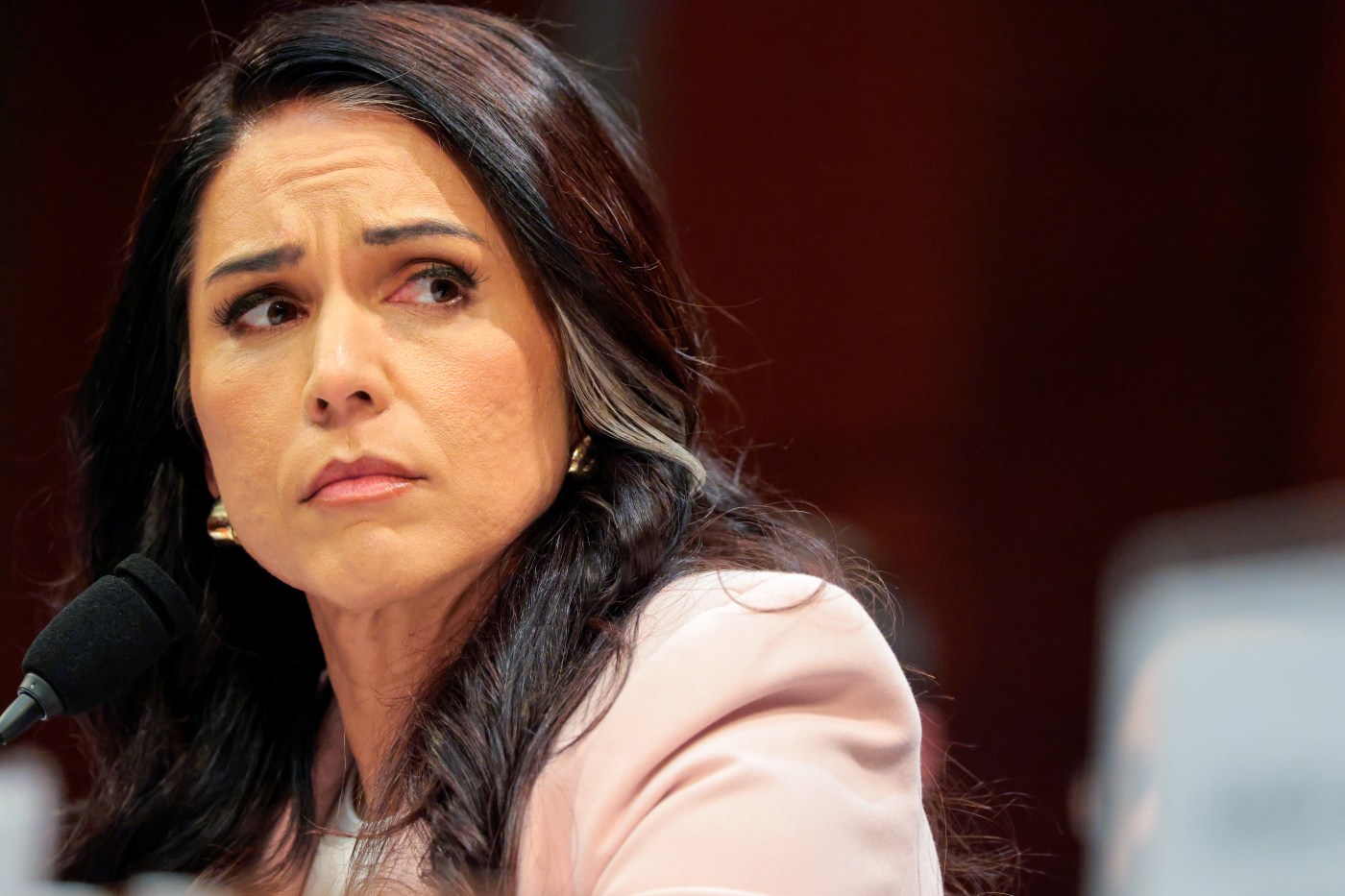
Tulsi Gabbard Resigns as U.S. Intelligence Chief Amid Growing Foreign Policy Divisions
The outspoken critic of military intervention steps down after reportedly being sidelined within Trump’s national-security team, raising new questions about the future of U.S. foreign policy.
Tulsi Gabbard Resigns as U.S. Intelligence Chief: What It Means for American Foreign Policy
Tulsi Gabbard has officially resigned as U.S. Intelligence Chief, marking a dramatic shift in the political and national-security landscape. Known for her outspoken criticism of foreign military interventions and her independent political stance, Gabbard’s departure has sparked intense debate across Washington and beyond.
Her resignation comes after months of speculation that she had been increasingly sidelined within former President Donald Trump’s national-security circle. While neither side has publicly detailed the full reasons behind the split, political analysts believe deep disagreements over foreign policy strategy played a major role.
A Controversial Voice in U.S. Politics
Tulsi Gabbard has long been one of the most unconventional figures in American politics. A former Democratic congresswoman from Hawaii and military veteran, she built her reputation by challenging bipartisan support for overseas military involvement.
Throughout her political career, Gabbard consistently criticized what she described as “regime-change wars” in countries such as Iraq, Syria, and Libya. Her anti-interventionist views often placed her at odds with both Democratic and Republican establishment leaders.
Supporters praised her willingness to question decades of U.S. foreign policy decisions, while critics accused her of being too sympathetic toward authoritarian governments. Regardless of perspective, Gabbard remained a prominent and influential voice in national-security debates.
Why Tulsi Gabbard Resigned
Sources close to the administration suggest Gabbard’s resignation was not entirely unexpected. Reports indicate she had become increasingly isolated within the broader intelligence and defense community.
Her foreign policy philosophy reportedly conflicted with several senior officials who favored a more aggressive international posture. According to political insiders, disagreements over intelligence priorities, military strategy, and diplomatic relations contributed to growing tensions behind closed doors.
Observers note that Gabbard’s independent approach made it difficult for her to fully align with traditional national-security institutions. Over time, her influence appeared to diminish as other advisors gained stronger positions within the administration.
Although Gabbard has not released a detailed public statement explaining every factor behind her decision, analysts believe the resignation reflects broader divisions inside Washington over America’s role in global conflicts.
Impact on Trump’s National-Security Team
Gabbard’s exit could reshape the direction of Trump’s national-security strategy moving forward. During her tenure, she represented one of the few high-profile voices consistently advocating restraint in foreign interventions.
Without her presence, experts predict the administration may move toward a more conventional security doctrine focused on strengthening military alliances and maintaining a tougher geopolitical stance against rivals such as China, Russia, and Iran.
Political strategists also believe her resignation may affect Trump’s relationship with independent and anti-war voters who appreciated Gabbard’s perspective. Her departure removes a unique voice that helped broaden the administration’s appeal among Americans skeptical of prolonged foreign conflicts.
Public and Political Reactions
Reaction to the resignation has been sharply divided. Supporters of Gabbard argue that her departure highlights the difficulty anti-war advocates face within the U.S. political establishment. Many praised her for maintaining her principles despite mounting political pressure.
Critics, however, contend that her views were too controversial for such a sensitive intelligence position. Some national-security experts questioned whether her approach aligned with America’s broader strategic interests.
On social media and political talk shows, the resignation quickly became a trending topic, with commentators debating whether Washington is becoming less tolerant of dissenting foreign-policy opinions.
What’s Next for Tulsi Gabbard?
Despite resigning from her intelligence role, Gabbard is unlikely to disappear from public life. She remains a recognizable political figure with a loyal following among independents, veterans, and anti-interventionist voters.
Many analysts expect her to continue influencing national conversations through media appearances, public speeches, and policy advocacy. Some even speculate she could pursue another political role in the future.
Her resignation may ultimately strengthen her image as an outsider willing to challenge establishment thinking — a position that has defined much of her political career.
Final Thoughts
Tulsi Gabbard’s resignation as U.S. Intelligence Chief represents more than just a personnel change. It reflects ongoing tensions within American politics over foreign intervention, military strategy, and the future direction of U.S. national security.
As debates over America’s role on the global stage continue, Gabbard’s departure is likely to remain a significant talking point for policymakers, political analysts, and voters alike.