



NCP Pledges Support for Anti-Fascist Forces, Calls for Unity Against Indian Influence
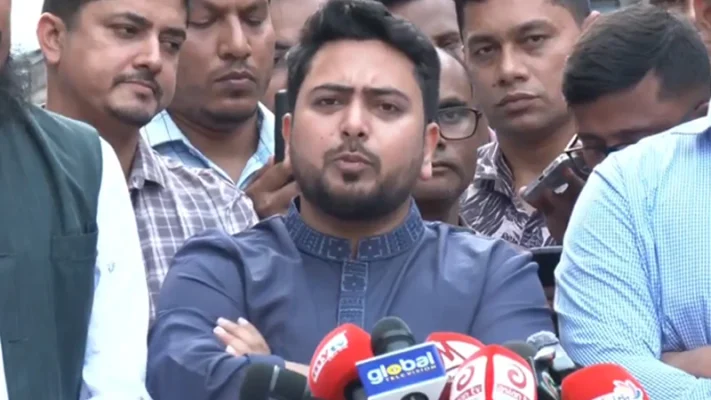
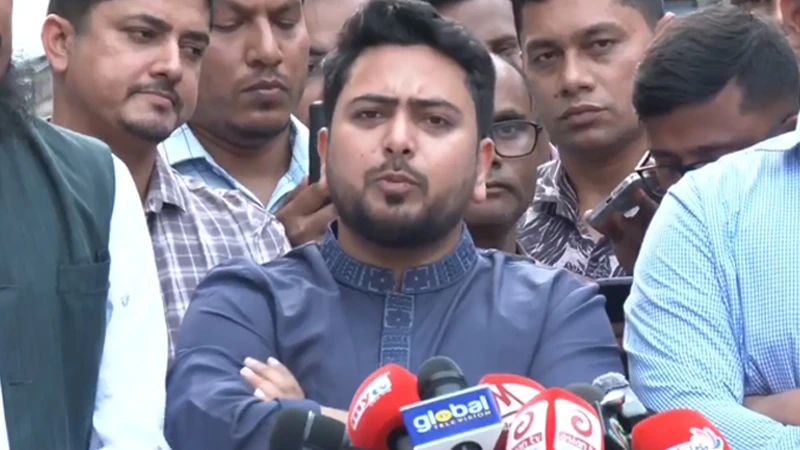
The National Citizen Party (NCP) will stand alongside political parties opposing fascism, party convener and opposition chief whip Nahid Islam said after meeting Prime Minister Tarique Rahman on Monday.
Speaking to reporters at the Secretariat following a meeting between the prime minister and an NCP delegation, Nahid also called for broader political unity to counter what he described as India’s growing dominance over Bangladesh.
He said the delegation urged the government to take a firm position in any renewed Ganges water-sharing agreement with India to protect Bangladesh’s rightful share of the river’s water.
According to Nahid Islam, discussions also covered the need for political parties to work together in addressing India’s influence and safeguarding Bangladesh’s national interests.
The NCP delegation asked the government to bring back former prime minister Sheikh Hasina to Bangladesh and implement the court’s verdict against her, Nahid said. It also called for the extradition of those accused of killing Osman Hadi and demanded that the government ensure the security of those who participated in the July uprising.
The party further recommended dissolving the single-party committee tasked with constitutional amendments, alleging that its activities had obstructed the implementation process of the July Charter.
Nahid said the current political struggle was no longer against the Awami League, which he claimed had already been defeated on August 5. Instead, he identified India’s alleged hegemonic influence as the central challenge facing the country.
He also accused India of spreading anti-Bangladesh narratives, citing a recent rally organized by a Hindu nationalist group near the border. According to him, several fugitive leaders of the Awami League were also involved in the gathering.
He further alleged that religious minorities faced their worst persecution during the Awami League’s tenure.
Regarding the government’s call for national unity, Nahid said dialogue should produce tangible outcomes rather than remain a symbolic exercise.
He stressed that efforts to build political unity should not be limited to December-related initiatives. Instead, all forces associated with the July uprising should come together to resist what he described as Indian hegemonic influence over Bangladesh.