

Bangladesh RMG Wage Talks: Owners Offer Tk 15,700, Workers Demand Tk 22,000
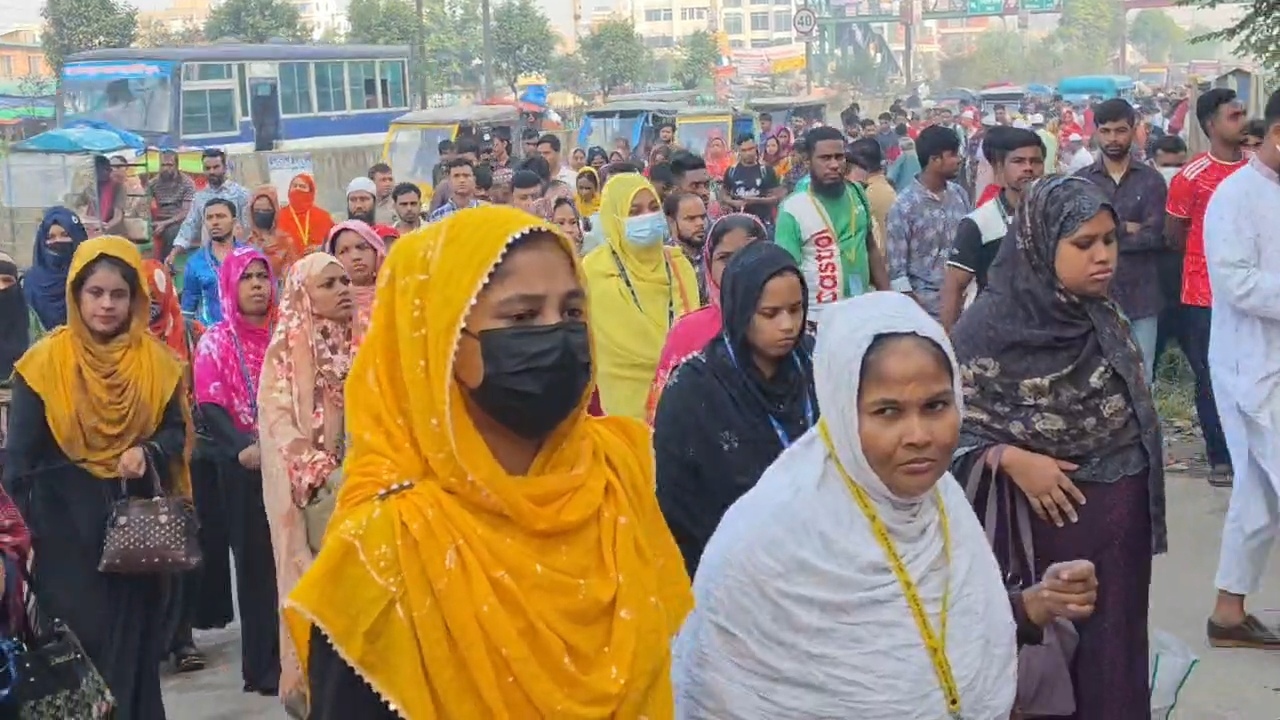
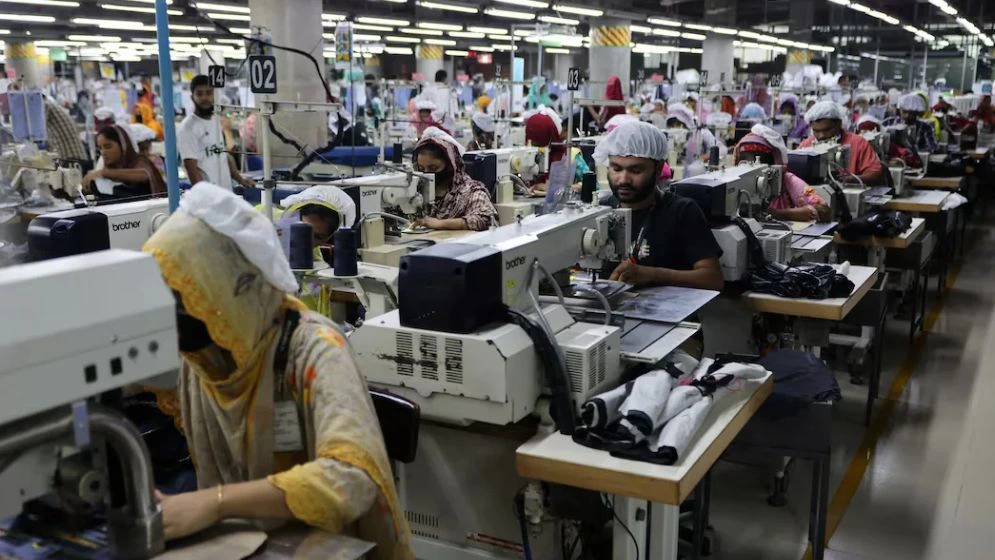
DHAKA, November 24: Bangladesh’s garment factory owners have proposed setting the minimum monthly wage for ready-made garment (RMG) workers at Tk 15,700, while workers’ representatives continue to demand Tk 22,000, leaving a significant gap between the two sides as wage negotiations continue.
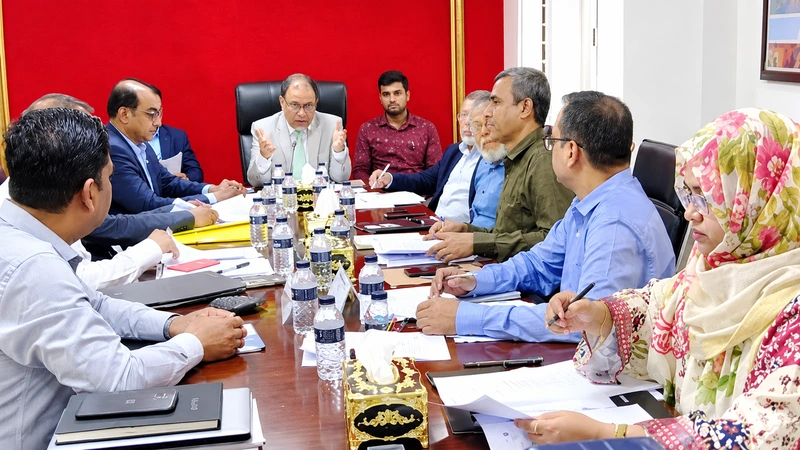
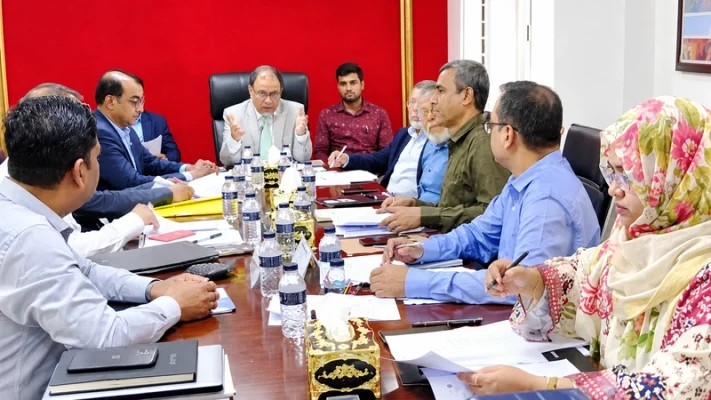
The issue was discussed at the fourth meeting of the Minimum Wage Board, held at Segunbagicha in the capital on Tuesday. The meeting began at 2pm under the chairmanship of Syed Azad Subhani, chairman of the board and a district and sessions judge.
Despite several rounds of negotiations, the board has yet to reach a final agreement on the proposed wage structure. Both employers and workers are maintaining their respective positions, although they have revised their initial demands during previous discussions.
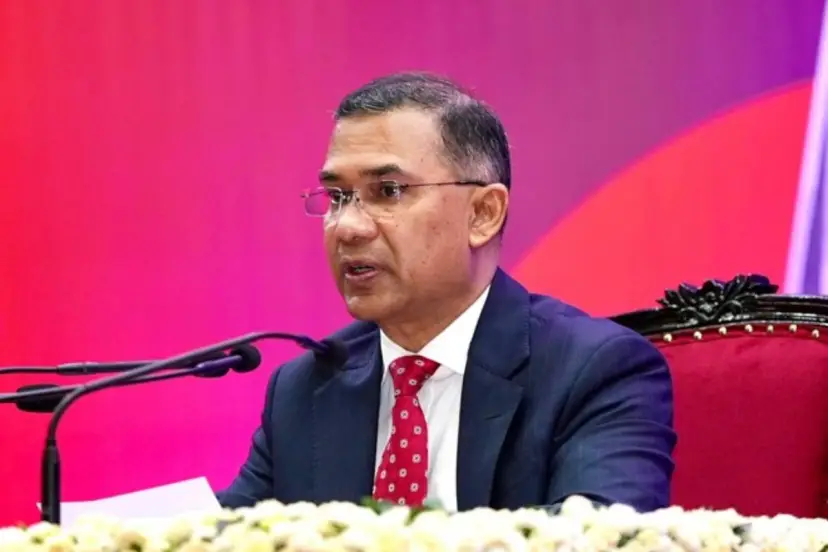
At Monday’s third meeting, employers initially proposed a minimum monthly wage of Tk 15,000. Following further discussions, they increased the offer to Tk 15,500 before raising it again to Tk 15,700.
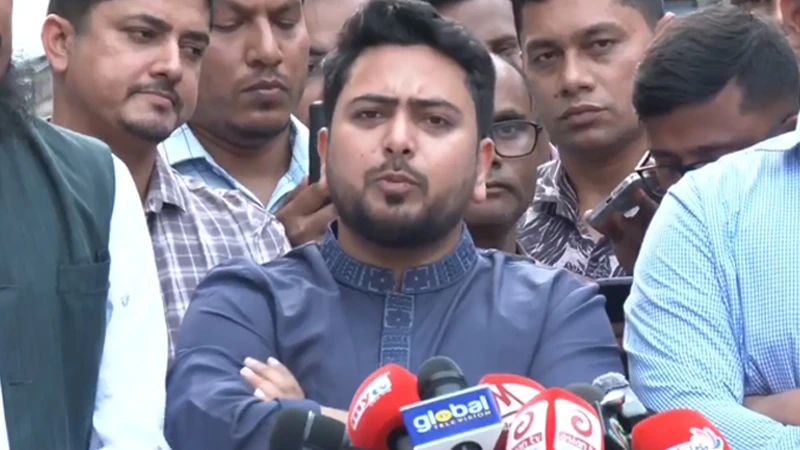
Workers’ representatives, meanwhile, started with a demand for Tk 32,000 per month. They later reduced their proposal to Tk 25,000 and eventually brought it down to Tk 22,000. However, they have not agreed to accept the employers’ latest offer.
A member of the Minimum Wage Board said Monday’s meeting continued for several hours but ended without a consensus. The session was adjourned at around 9pm and resumed at 2pm on Tuesday.
The board is reviewing written wage proposals submitted by representatives of garment workers and factory owners. Its mandate also includes preparing recommendations on minimum wages for different categories of workers and employees in the garment sector.
Currently, the minimum monthly wage for Bangladesh’s garment workers stands at Tk 12,500. Under the employers’ latest proposal, the amount would increase by Tk 3,200 to Tk 15,700.
The government formed a six-member Minimum Wage Board on November 1 to reassess wages in the country’s ready-made garment industry. The board held its first meeting on November 4, when both employers’ and workers‘ representatives were asked to submit their proposed wage structures.
Further discussions are expected to determine whether the two sides can bridge their differences and reach an agreement on a revised minimum wage.
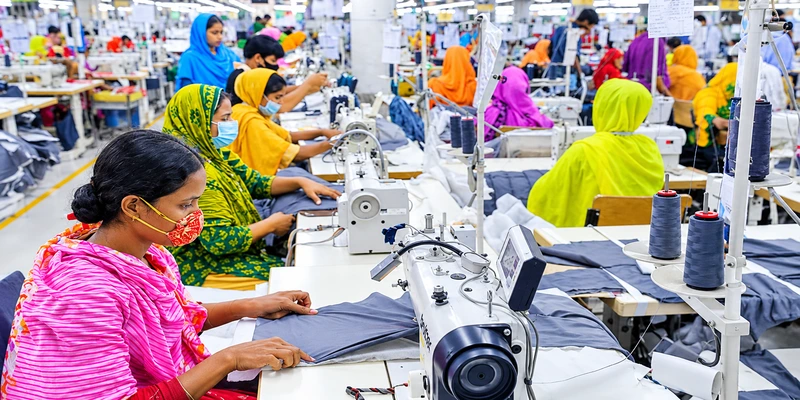
The outcome of the negotiations is being closely watched, as the garment industry remains a major source of employment and a key contributor to Bangladesh’s export earnings.