

Zubaida Rahman Calls for Climate Funding and Technology to Strengthen Waste Management at COP31
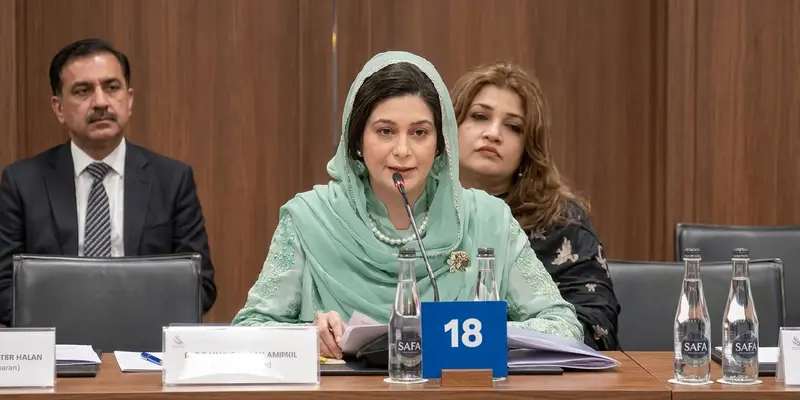
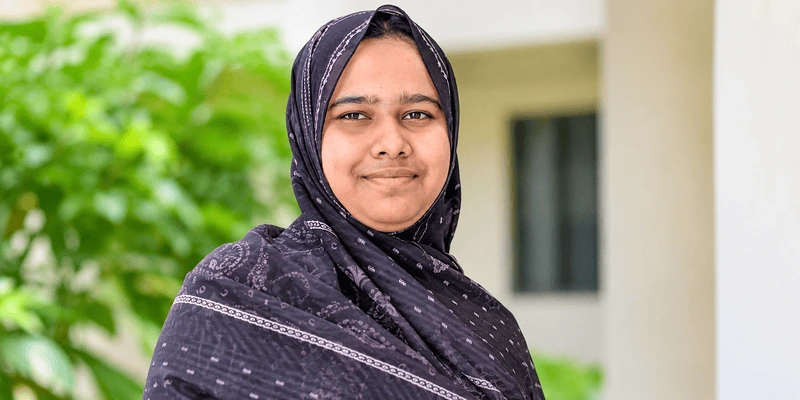
Dr. Zubaida Rahman has urged world leaders to treat waste as a valuable resource, a source of clean energy and an opportunity for sustainable economic growth, calling for stronger international cooperation, climate financing and technology transfer to advance zero-waste initiatives.
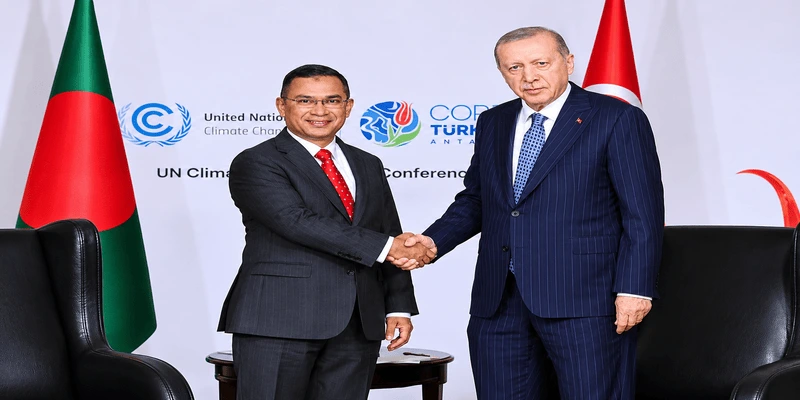
She made the remarks Wednesday at a high-level meeting of the Global Zero Waste Alliance on the sidelines of the UN Climate Change Conference COP31 in Anatolia, Türkiye. The meeting brought together spouses of heads of state and government.
Addressing the gathering, Zubaida Rahman said Bangladesh welcomed the Global Zero Waste Alliance and supported its objectives, which she said aligned with the government’s priorities for environmental protection, public health and sustainable development.
She highlighted Bangladesh’s ongoing efforts to reduce waste generation and expand reuse and recycling under the three-R approach. The country’s Solid Waste Management Rules also emphasize waste segregation and safe disposal, she said.
According to Zubaida Rahman, Bangladesh’s latest Nationally Determined Contribution, or NDC 3.0, sets a target of reducing greenhouse gas emissions from the waste sector by 1.78 million tons of carbon dioxide equivalent by 2035.
Outlining the government’s waste management priorities, she pointed to recycling, compost production, landfill gas recovery, waste-to-energy generation and improved wastewater treatment. Measures to ensure the safe handling of medical and healthcare-related waste are also being pursued, she added.
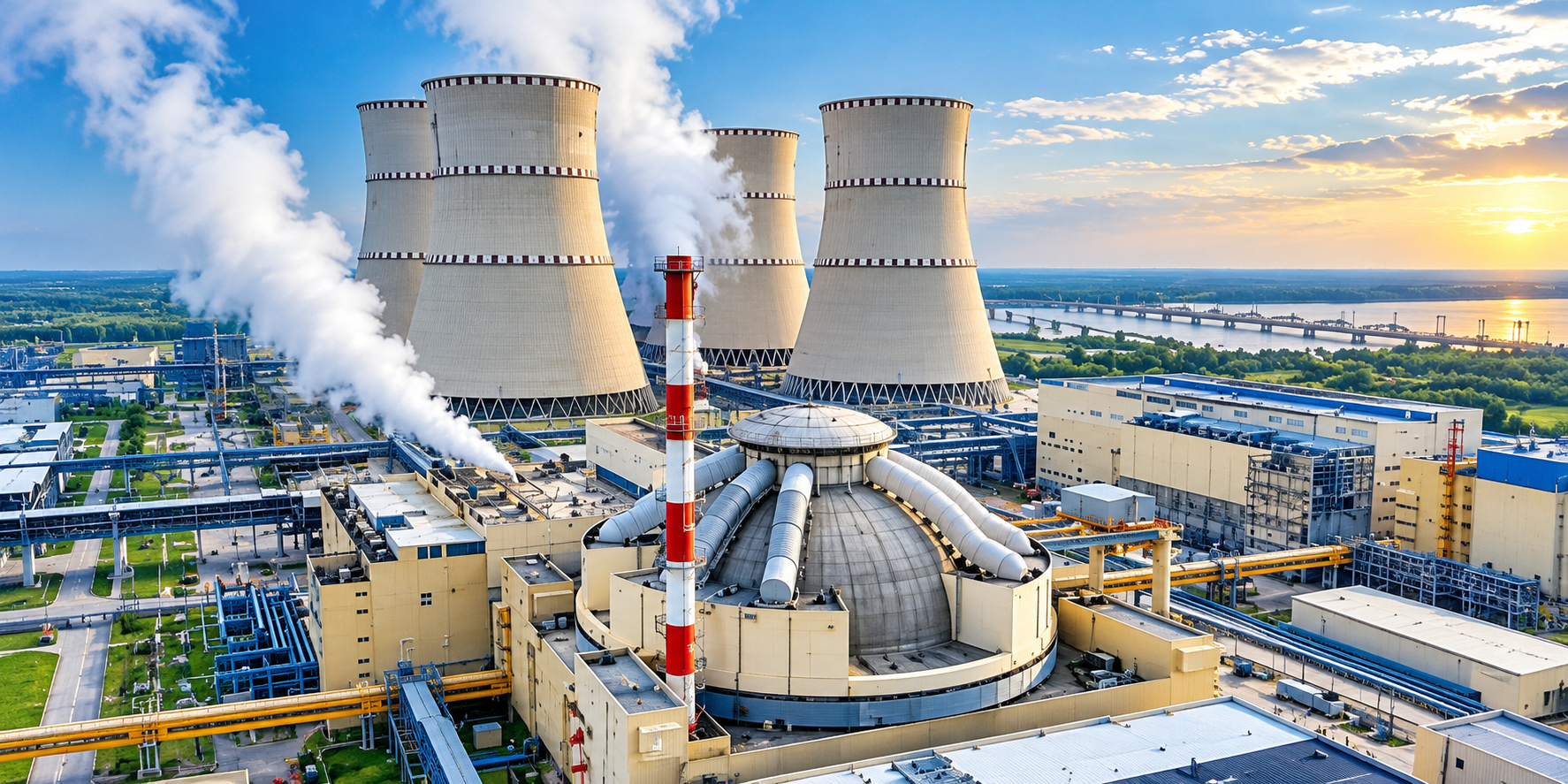
Zubaida Rahman said a major waste-to-energy project was underway in Dhaka, with plans to process 3,000 tones of household waste daily and generate 42.5 megawatts of electricity. The government also plans to introduce similar projects in other major cities.
She further highlighted efforts to tackle plastic pollution through the cleanup of lakes, canals, ponds and other water bodies. Promoting environmentally friendly jute products as alternatives to plastic is another part of the government’s strategy, she said, inviting conference participants to visit the Bangladesh Jute Pavilion in the event’s Green Zone.
On methane reduction, Rahman reaffirmed Bangladesh’s commitment as a signatory to the Global Methane Pledge. She said the country was encouraging climate-smart agriculture, improved rice cultivation practices and the conversion of organic waste into compost and clean energy.
However, she cautioned that achieving a zero-waste future would require collective action rather than individual national efforts. Affordable climate finance, technology transfer and capacity-building support are essential, particularly for developing countries, she said.
Zubaida Rahman also called for greater private-sector involvement and stronger safeguards for informal waste workers, whose contributions are central to waste collection and recycling systems.
Emphasizing the role of young people, she said environmental awareness should begin at home, in schools and across communities. Young people should not be viewed solely as future leaders but also as active contributors to addressing today’s environmental challenges.
Zubaida Rahman concluded by urging countries to move beyond treating waste as something to discard and instead recognize its potential as a resource, an energy source and a driver of economic development. She said Bangladesh was ready to work with international partners to strengthen cooperation and turn global commitments into practical action.