


Stronger Bones Without Relying on Supplements: 6 Everyday Habits That Matter
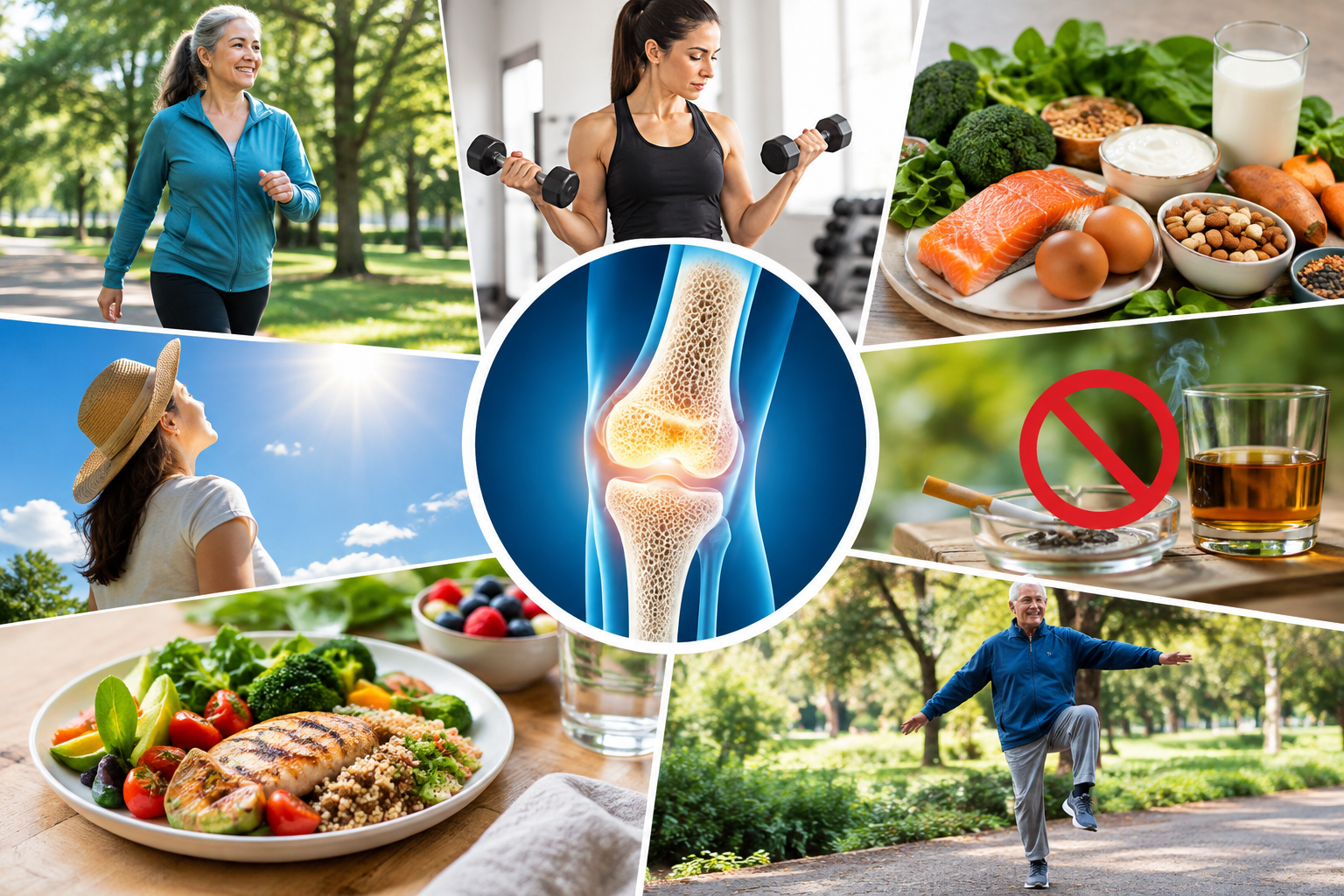
Strong bones are built through daily choices, not supplements alone. From weight-bearing exercise to better sleep and balanced nutrition, these six evidence-based habits can help protect bone health as you age.
Bones do more than support the body. They protect vital organs, help people move and serve as a reservoir for minerals the body needs. Yet bone health often receives little attention until a fracture, persistent pain or a diagnosis of osteoporosis brings it into focus.
Calcium is essential for maintaining healthy bones, but taking calcium supplements is not a complete strategy for preventing bone loss. Physical activity, adequate vitamin D and protein, and other lifestyle choices also play important roles in maintaining bone strength. The National Institutes of Health (NIH) identifies physical inactivity, smoking, heavy alcohol consumption and inadequate nutrition as factors that can increase the risk of weakened bones.
The good news is that several everyday habits can help support bone health at different stages of life. Here are six worth incorporating into a daily routine.
1. Make Weight-Bearing Exercise Part of Your Routine
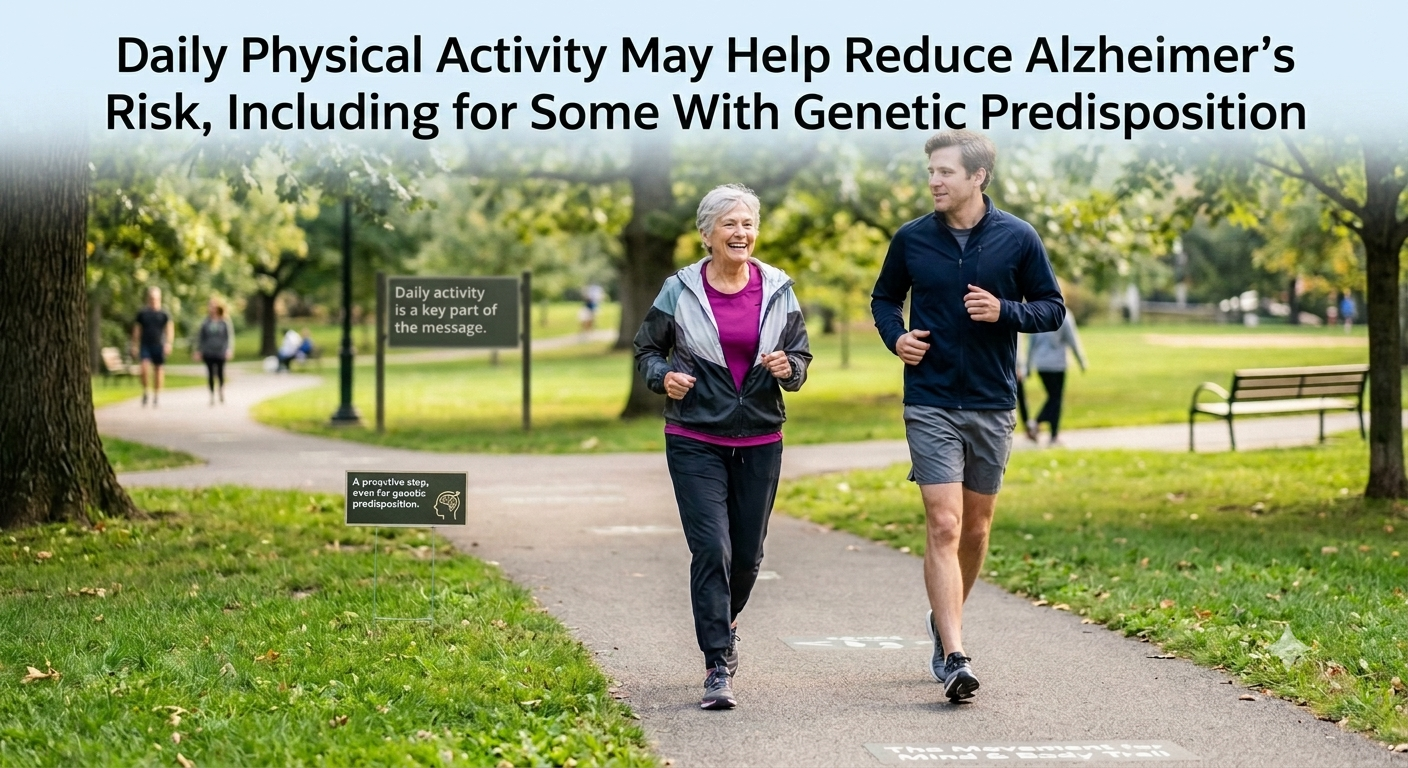
Walking, climbing stairs and dancing are more than ways to stay active. They are weight-bearing activities that encourage bones to respond to mechanical stress, helping maintain bone strength.
The National Institute of Arthritis and Musculoskeletal and Skin Diseases says exercise can strengthen bones and muscles, slow bone loss in adults, improve balance and help reduce the risk of falls and fractures.
A practical starting point is a brisk daily walk, with the duration and intensity adjusted to individual fitness levels. People who are able to do so can gradually add stair climbing, dancing or other weight-bearing activities.
Consistency matters more than occasional intense workouts. Those who have osteoporosis, a history of fractures, or significant mobility limitations should consult a health professional before starting a new exercise program.
2. Add Strength Training to Your Week
Walking is beneficial, but it does not provide every type of stimulus bones and muscles need. Resistance training offers another way to support the musculoskeletal system.
Exercises using resistance bands, free weights, weight machines, or body weight challenge muscles and place controlled loads on bones. Over time, appropriately designed strength training can help maintain muscle mass and support bone health. Stronger muscles also improve stability, potentially reducing the likelihood of falls.
Beginners can start with simple movements, such as chair squats, wall push-ups and resistance-band exercises. Sessions should focus on proper technique and gradual progression rather than lifting heavy weights too quickly.
For older adults and people with existing bone conditions, a physiotherapist or qualified exercise professional can help identify safe movements and appropriate resistance levels.
3. Get Enough Vitamin D
Calcium provides a key building block for bones, but the body also needs vitamin D to absorb calcium effectively.
Vitamin D can be obtained from foods such as oily fish, egg yolks and fortified products. Sunlight also helps the body produce vitamin D, although the amount produced varies with factors such as skin pigmentation, season, location and sun exposure.
The NHS recommends that adults in the United Kingdom consider a daily supplement containing 10 micrograms of vitamin D, particularly because obtaining enough from food alone can be difficult. Recommendations differ by country and individual circumstances, so people should follow local health guidance.
The practical lesson is to pay attention to vitamin D intake rather than assuming calcium alone is sufficient. People at risk of deficiency or with conditions affecting nutrient absorption should discuss testing and supplementation with a healthcare professional.
4. Eat Enough Protein and a Variety of Nutrient-Rich Foods
Bone health depends on more than one mineral. Protein contributes to bone structure and helps maintain the muscles that support movement and balance. A varied diet also supplies other nutrients involved in normal bone function.
Fish, eggs, beans, lentils, dairy products, tofu, nuts and seeds can help provide protein. Leafy vegetables, fruit and other minimally processed foods add variety and contribute to overall nutritional health.
The NIH notes that inadequate protein intake, alongside insufficient calcium and vitamin D, may increase the risk of bone loss.
Rather than relying on a single so-called superfood, aim for balanced meals that include protein sources and a range of vegetables and other nutrient-rich foods. People following restrictive diets, those with poor appetite and older adults who struggle to eat enough may benefit from advice from a registered dietitian.
5. Avoid Smoking and Limit Heavy Alcohol Consumption
Some of the most important steps for bone health involve reducing exposure to factors associated with bone loss.
Smoking is linked to an increased risk of osteoporosis, while heavy alcohol consumption can also weaken bones and increase the risk of injuries and falls. These risks can compound other factors, including ageing, low body weight and physical inactivity.
Quitting smoking is a meaningful step towards protecting long-term health. People who drink alcohol should avoid heavy consumption and follow relevant public health guidance.
Neither habit needs to be replaced with expensive supplements or specialized wellness products. Reducing these established risk factors is a practical way to support overall health, including the bones.
6. Improve Balance and Make Your Home Safer
Strong bones are important, but preventing falls is equally crucial, particularly for older adults and people with osteoporosis.
A fall that causes little harm to a healthy person can result in a serious fracture when bones are fragile. The National Institute on Aging recommends activities that improve strength and balance, along with practical measures to make homes safer.
Simple measures include removing loose rugs and clutter from walkways, improving lighting, installing grab bars where needed and using handrails on stairs. Balance exercises, when appropriate, can also improve stability.
People who experience repeated falls, dizziness or difficulty walking should seek medical advice. Reviewing medications and checking vision may help identify additional risks.
Do Calcium Supplements Still Matter?
Yes. Calcium remains essential for bone health, and supplements can be useful for people who cannot obtain enough from food. But more is not necessarily better.
The NHS advises that adults should generally be able to meet their calcium needs through a varied, balanced diet. Dairy products, calcium-fortified alternatives, tofu and certain leafy vegetables can contribute to daily intake.
Whether supplements are appropriate depends on dietary intake, age, medical history and individual risk factors. People considering calcium or vitamin D supplements should discuss their needs with a healthcare professional, particularly if they have kidney disease, a history of kidney stones or take medicines that may interact with supplements.
Lifestyle changes are not a substitute for medical treatment in people who already have osteoporosis. Depending on fracture risk and bone density, a clinician may recommend medication alongside exercise and nutritional measures.
The Bottom Line
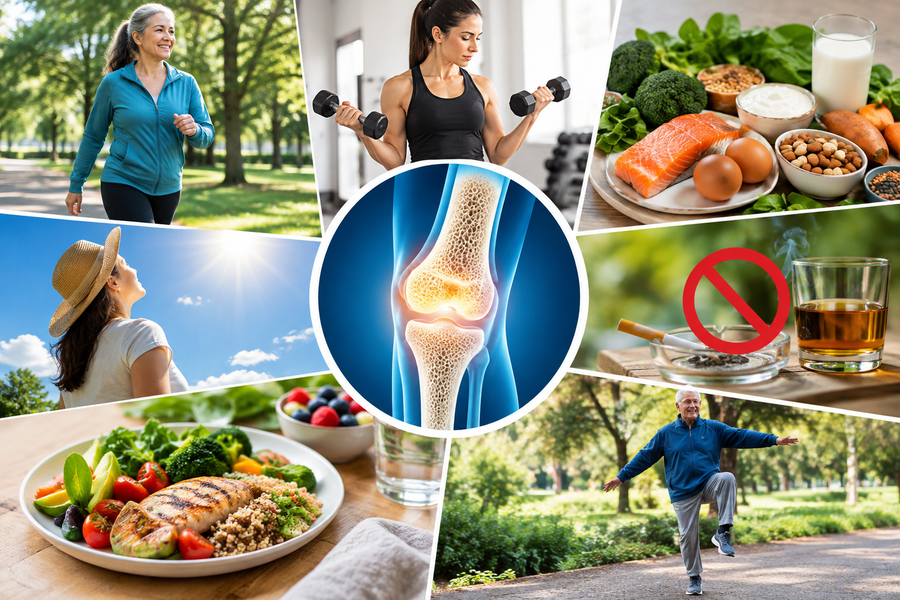
Protecting bone health does not depend on one supplement or a single lifestyle change. Regular weight-bearing activity, strength training, adequate vitamin D and protein, avoiding smoking, limiting heavy alcohol consumption and reducing fall risks can all contribute to healthier bones.
The best approach is one that can be maintained over time and adapted to a person’s age, health and physical abilities.
For people with osteoporosis risk factors, a previous fracture or concerns about bone loss, professional assessment is especially important. Early attention to bone health can help people remain active and independent as they age.
Health disclaimer: This article is for general informational purposes and does not replace individual medical advice.
Sources: National Institutes of Health (NIH), National Institute on Aging, National Institute of Arthritis and Musculoskeletal and Skin Diseases, and the UK National Health Service (NHS).