
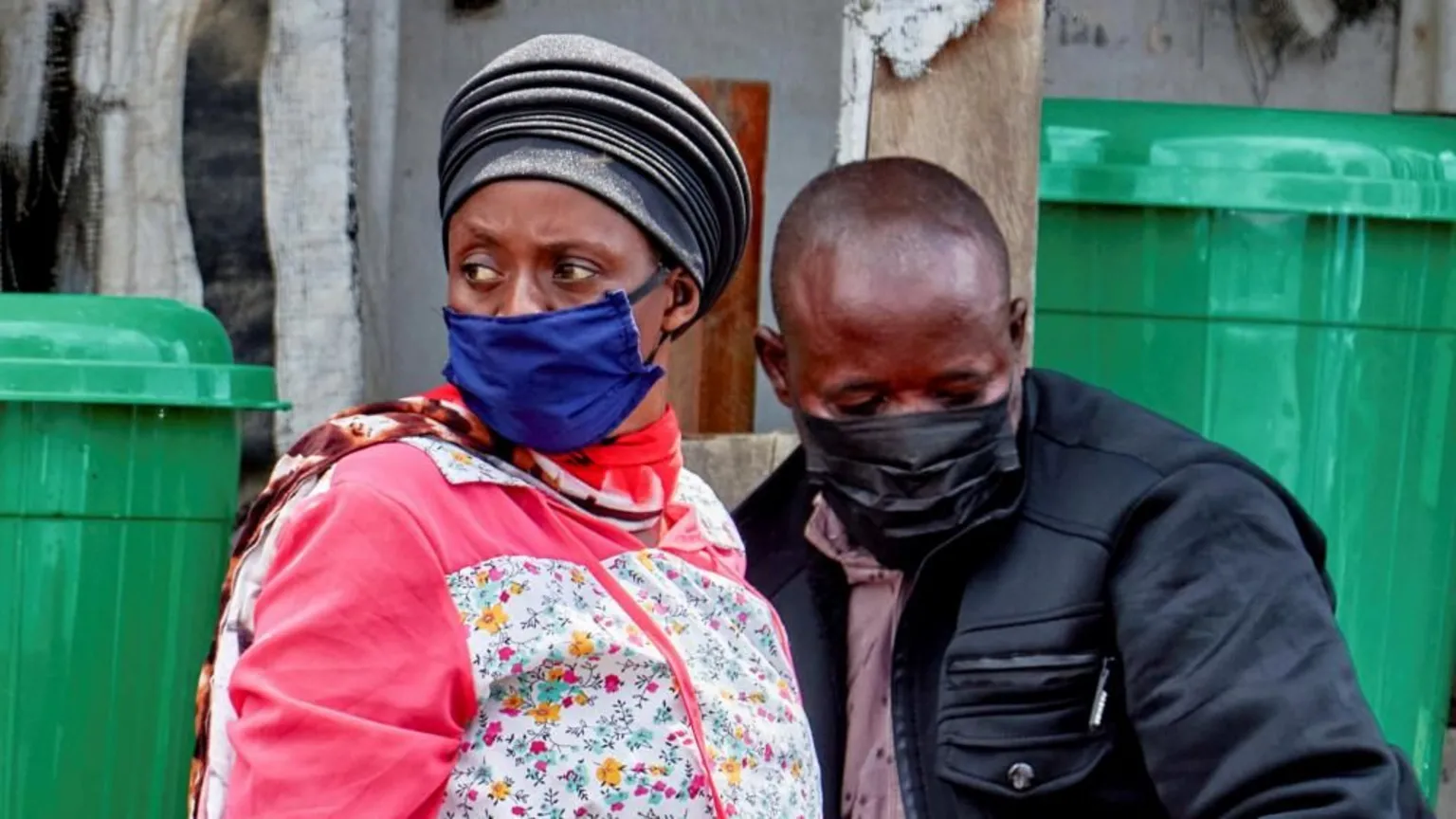
Ebola Virus Risk Raised to “Very High” in DR Congo: What the World Needs to Know
Understanding the Surge: Navigating the Challenges and Regional Impact of the Latest DRC Outbreak
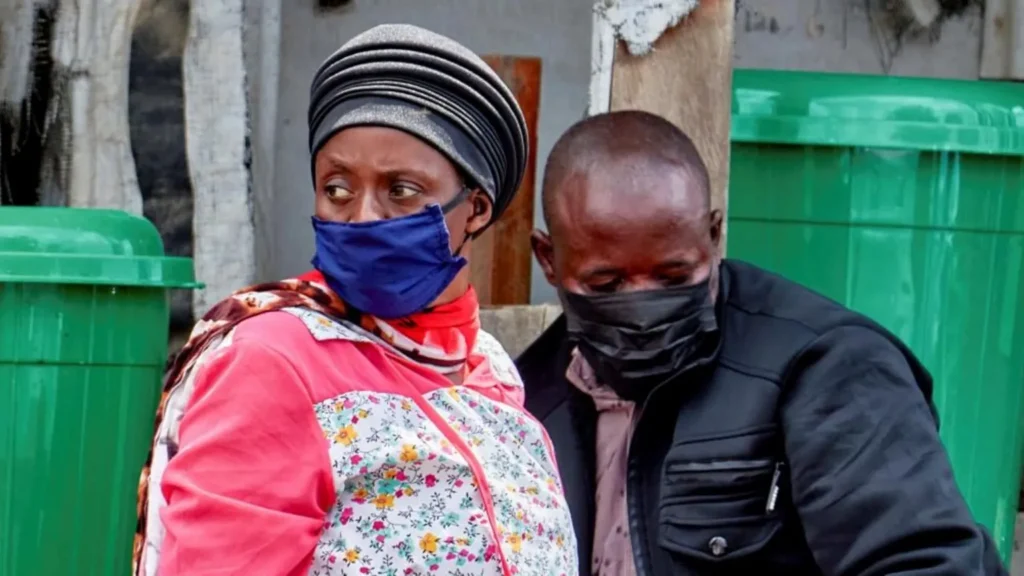
Ebola Risk Raised to “Very High” in DR Congo: What the World Needs to Know
The Democratic Republic of Congo (DR Congo) is once again facing a serious public health emergency as authorities and international health agencies have raised the Ebola risk level to “very high.” The alarming development has sparked global concern, especially because Ebola is one of the deadliest viral diseases known to humanity. With fears of cross-border transmission and growing pressure on the healthcare system, experts are urging immediate international cooperation to prevent another devastating outbreak.
Understanding the Ebola Virus
Ebola Virus Disease (EVD) is a severe and often fatal illness caused by the Ebola virus. The disease spreads through direct contact with infected bodily fluids, contaminated surfaces, or infected animals. Symptoms usually begin with fever, weakness, muscle pain, and sore throat before progressing to vomiting, diarrhea, internal bleeding, and organ failure.
The virus has a high fatality rate, ranging from 25% to 90% depending on the outbreak and healthcare response. Early diagnosis, isolation, and supportive treatment significantly improve survival chances.
Why the Ebola Risk in DR Congo Has Been Raised
Health officials in DR Congo have identified several factors contributing to the heightened Ebola risk. Recent confirmed cases in densely populated regions have increased concerns about rapid transmission. Limited healthcare infrastructure, population displacement, and challenges in monitoring remote communities are making containment efforts more difficult.
The World Health Organization (WHO) and local authorities are particularly worried about the movement of people across borders. Neighboring countries may face increased vulnerability if strict surveillance and preventive measures are not implemented quickly.
Another major concern is the recurring nature of Ebola outbreaks in DR Congo. The country has experienced multiple Ebola epidemics over the past decades, making it one of the regions most affected by the disease.
Current Situation in DR Congo
Authorities are actively tracing contacts, isolating infected individuals, and deploying emergency response teams to affected areas. Vaccination campaigns are also being accelerated to protect frontline healthcare workers and high-risk communities.
Despite these efforts, several challenges remain:
- Poor transportation systems delaying medical response
- Limited access to remote villages
- Public mistrust and misinformation
- Shortage of healthcare workers and medical supplies
- Ongoing security issues in conflict-prone regions
These factors make controlling the outbreak far more complicated than in countries with stronger healthcare systems.
The Global Impact of an Ebola Outbreak
Although Ebola outbreaks are generally concentrated in African regions, the global impact can be significant. International travel and trade increase the possibility of infected individuals crossing borders before symptoms appear.
Past Ebola outbreaks have shown how quickly fear can spread worldwide. During the 2014–2016 West Africa Ebola crisis, thousands of lives were lost, and several countries outside Africa reported imported cases. The outbreak also caused major economic losses and overwhelmed healthcare systems.
If the current situation in DR Congo worsens, global health agencies may need to intensify emergency preparedness measures worldwide.
How Ebola Is Being Controlled
Health organizations are implementing several key strategies to stop the spread of Ebola in DR Congo:
1. Vaccination Campaigns
Experimental and approved Ebola vaccines have proven highly effective in reducing transmission. Healthcare workers and close contacts of infected individuals are receiving priority vaccinations.
2. Contact Tracing
Officials are identifying everyone who may have interacted with infected individuals. Monitoring these contacts helps prevent further community spread.
3. Isolation and Treatment
Patients suspected of having Ebola are isolated in specialized treatment centers to minimize transmission risks.
4. Public Awareness Campaigns
Communities are being educated about symptoms, prevention, and safe burial practices. Public awareness is essential because misinformation can worsen outbreaks.
5. International Support
Organizations such as the WHO, UNICEF, and humanitarian agencies are providing funding, medical equipment, and trained personnel to support DR Congo’s response efforts.
Symptoms of Ebola Everyone Should Know
Recognizing Ebola symptoms early can save lives. Common symptoms include:
- Sudden fever
- Severe fatigue
- Muscle pain
- Headache
- Sore throat
- Vomiting
- Diarrhea
- Skin rash
- Bleeding from gums or nose in severe cases
Anyone experiencing these symptoms after potential exposure should seek medical attention immediately.
Can Ebola Spread Internationally?
While Ebola is not as contagious as airborne diseases like COVID-19, international spread remains possible through infected travelers. Airports and border checkpoints in affected regions are increasing health screenings to identify suspected cases.
Countries with strong surveillance systems are generally better equipped to prevent widespread transmission. However, weaker healthcare systems may struggle to detect and contain imported infections quickly.
Lessons Learned From Previous Ebola Outbreaks
Past outbreaks have taught the global community several important lessons:
- Early response saves lives
- Community trust is essential
- Transparent communication reduces panic
- Investment in healthcare infrastructure is critical
- International cooperation improves outbreak control
The Ebola crisis in West Africa highlighted the dangers of delayed action. Experts believe rapid intervention in DR Congo is essential to avoid another humanitarian disaster.
The Importance of Global Preparedness
The rising Ebola threat in DR Congo serves as a reminder that infectious diseases remain a global challenge. Governments and health organizations must continue investing in disease surveillance, vaccine development, and emergency preparedness systems.
Climate change, population growth, and increased mobility may increase the frequency of future outbreaks. Strengthening global healthcare systems is no longer optional—it is necessary for international security.
Final Thoughts
The decision to raise the Ebola risk level to “very high” in DR Congo is a serious warning to the international community. While health authorities are working tirelessly to contain the outbreak, ongoing challenges continue to threaten progress.
Public awareness, rapid medical intervention, and global cooperation will play critical roles in preventing further spread. As the world watches the situation unfold, one thing is clear: Ebola remains a dangerous public health threat that requires immediate and coordinated action.
By staying informed and supporting global health initiatives, communities worldwide can help reduce the impact of deadly outbreaks and strengthen preparedness for future emergencies.