
Senate Republicans Fast-Track Trump Energy and Land Management Nominees After Rules Change
New Senate procedures help Republicans confirm nearly 60% of Trump’s civilian nominees tied to energy, environmental policy, and public land management.
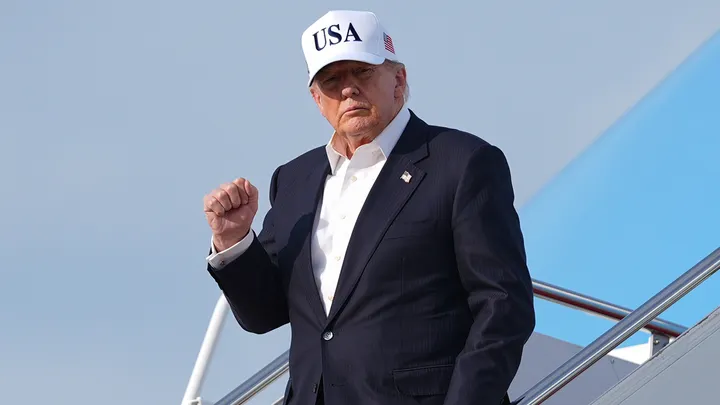
Senate Republicans Accelerate Trump Nominee Confirmations
Senate Republicans have confirmed nearly 50 of former President Donald Trump’s nominees tied to energy, environmental policy, and federal land management, marking one of the fastest staffing pushes in recent political history. The confirmation surge follows a significant Senate rules overhaul that streamlined the approval process for civilian nominees, allowing Republicans to install roughly 60% of Trump’s civilian appointments at record speed.
The rapid confirmations signal a major shift in how the federal government may approach energy production, public lands, environmental regulation, and natural resource development in the coming years.
Why the Senate Rules Overhaul Matters
The Senate’s procedural changes reduced delays that previously slowed presidential appointments. Historically, nominees faced lengthy debates, procedural hurdles, and bipartisan negotiations before confirmation votes could proceed.
Under the revised rules:
- Debate time for many nominees was shortened
- Procedural roadblocks were minimized
- Confirmation votes moved more quickly through the Senate calendar
- Majority-party leadership gained greater control over scheduling
As a result, Senate Republicans were able to rapidly fill key government positions across agencies connected to:
- Energy policy
- Oil and gas regulation
- Public land management
- Environmental oversight
- Mining and resource extraction
- Federal permitting
Political analysts say the overhaul fundamentally changed the pace of federal staffing and expanded executive influence over agency leadership.
Key Agencies Impacted by Trump Nominee Confirmations
Many of the confirmed officials are expected to shape U.S. energy and environmental policy for years. Agencies receiving new leadership include:
Department of the Interior
The Department of the Interior oversees millions of acres of federal land, national parks, tribal relations, and energy leasing programs. Confirmed nominees are likely to prioritize:
- Expanded oil and gas drilling
- Faster permitting approvals
- Increased mining access
- Reduced federal land restrictions
Department of Energy
The Department of Energy plays a central role in:
- Domestic energy production
- Nuclear energy policy
- Grid reliability
- Fossil fuel development
- Renewable energy investments
Trump-aligned appointees are expected to emphasize American energy independence and reduced regulatory oversight.
Environmental Protection Agency (EPA)
Several confirmations affect environmental enforcement and climate policy implementation. Industry groups anticipate a regulatory environment more favorable to traditional energy sectors, including:
- Oil producers
- Natural gas companies
- Coal operations
- Pipeline developers
Republican Strategy Behind the Fast Confirmations
Republican leadership framed the confirmation effort as essential for restoring what they describe as “efficient governance” and reducing bureaucratic delays.
Supporters argue the strategy helps:
- Fill critical vacancies faster
- Improve agency decision-making
- Advance domestic energy production
- Strengthen national energy security
- Reduce dependence on foreign energy sources
Republicans also emphasized that lengthy confirmation delays can hinder government operations and weaken presidential authority.
Democratic Concerns Over the Confirmation Push
Democrats and environmental advocacy groups criticized the accelerated process, warning that reduced scrutiny could lead to:
- Weaker environmental protections
- Increased fossil fuel expansion
- Reduced transparency
- Less bipartisan oversight
- Conflicts of interest in regulatory agencies
Critics argue that shortening debate time limits lawmakers’ ability to fully evaluate nominees’ backgrounds, policy positions, and industry connections.
Some Senate Democrats also contend the rules changes further politicize the confirmation process and reduce institutional checks and balances.
Impact on U.S. Energy Policy
The rapid installation of Trump-aligned officials could significantly influence the future of American energy policy.
Potential Policy Shifts Include:
Expanded Domestic Drilling
Federal agencies may increase leasing opportunities for:
- Offshore drilling
- Public land exploration
- Natural gas development
- Pipeline construction
Faster Permitting
Energy companies could see shorter approval timelines for major infrastructure projects.
Reduced Environmental Regulation
Agencies may revisit regulations affecting:
- Emissions standards
- Water protections
- Land-use restrictions
- Climate reporting requirements
Focus on Energy Independence
Republicans continue to emphasize increasing domestic production to reduce reliance on global energy markets.
Public Land Management Changes Expected
Federal land policy remains one of the most closely watched areas following the confirmations.
Experts expect the administration’s nominees to pursue:
- Expanded grazing access
- Increased mining permits
- Timber production growth
- Reduced conservation restrictions
- Broader commercial use of federal lands
Environmental organizations warn these changes could affect wildlife habitats, climate goals, and conservation programs.
Political Implications Ahead of Future Elections
The speed of the confirmations may also carry long-term political consequences.
Republicans view the successful installation of nominees as evidence of effective party coordination and institutional control. Meanwhile, Democrats are likely to use environmental and regulatory concerns as campaign issues in upcoming elections.
The confirmation push also highlights the growing importance of Senate procedural rules in shaping presidential power and federal policy implementation.
Conclusion
Senate Republicans’ confirmation of nearly 50 Trump nominees tied to energy and land management represents a major political and policy milestone. Enabled by Senate rules changes that accelerated approvals, Republicans have installed approximately 60% of Trump’s civilian nominees at an unusually rapid pace.
The confirmations are expected to influence U.S. energy production, environmental regulation, and federal land use policies for years to come. Supporters argue the changes promote efficiency and energy independence, while critics warn of reduced oversight and environmental risks.
As these newly confirmed officials begin shaping agency priorities, the broader effects on American energy strategy, public lands, and environmental policy will continue to unfold.