


Trump July Fourth speech: Trump’s ‘Ramped-Up’ Rhetoric Leaves Unifying Tone of July Fourth Speech in Question
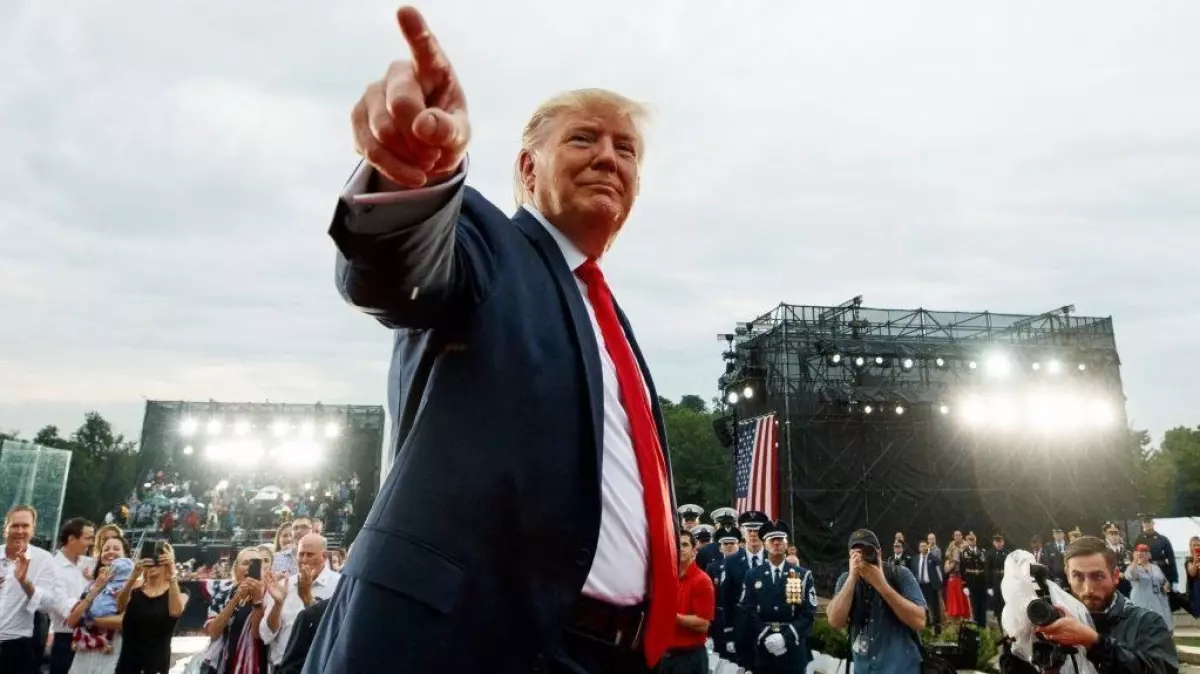
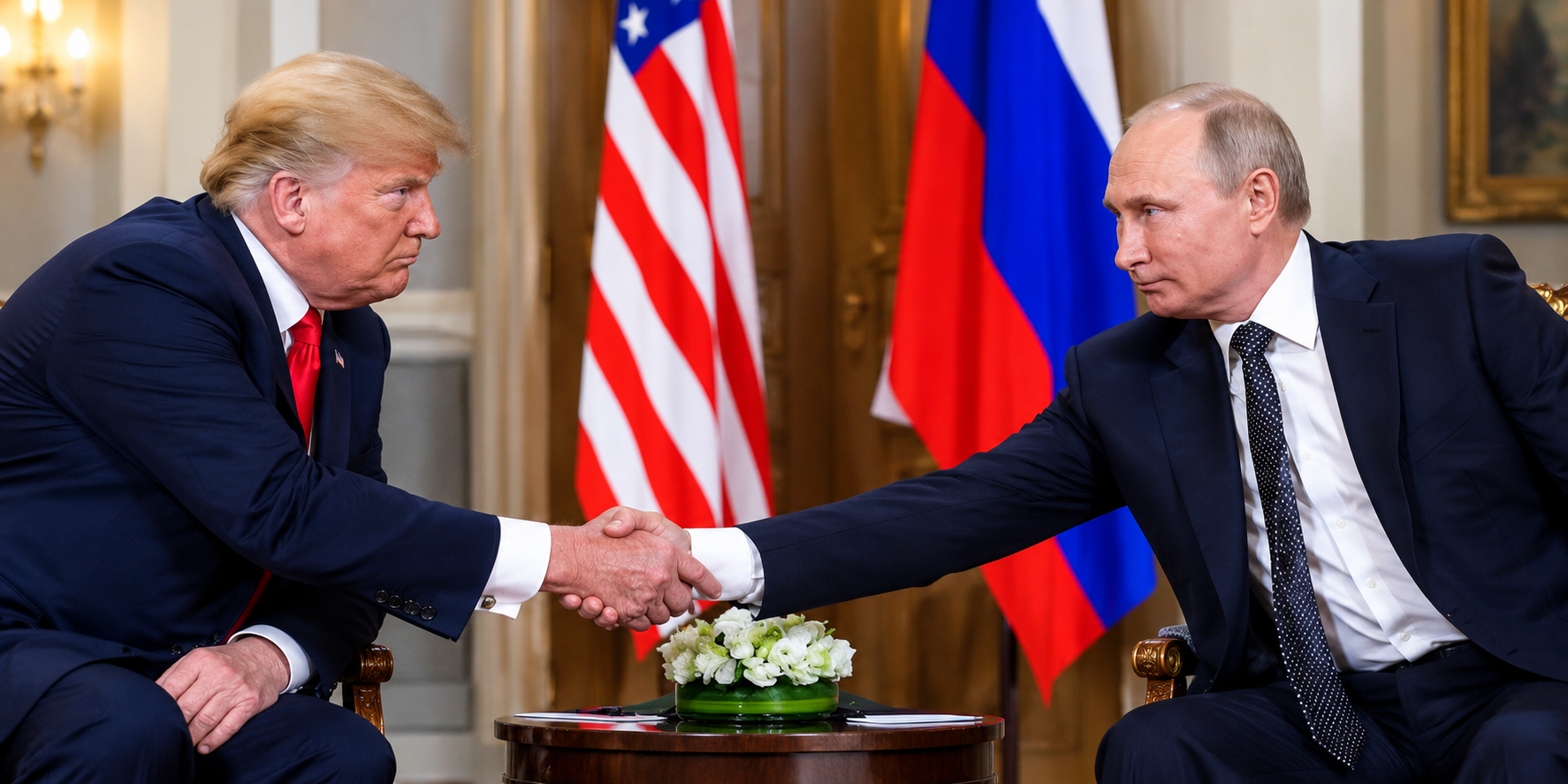
WASHINGTON, July 4 — Trump July Fourth speech’ As Americans celebrate Independence Day with parades, fireworks, and patriotic ceremonies across the country, attention has also turned to President Donald Trump’s July Fourth address, where questions remain over whether the speech will emphasize national unity or continue the increasingly confrontational political rhetoric that has characterized many of his recent public appearances.
The annual Independence Day observance has traditionally served as an opportunity for U.S. presidents to speak beyond partisan divides, reflecting on the nation’s founding ideals of liberty, democracy, and shared purpose. While political differences have often shaped presidential messaging, July Fourth speeches have historically sought to underscore common values rather than deepen existing divisions.
In recent weeks, however, Trump has intensified his criticism of political opponents, frequently using campaign rallies and social media posts to target Democratic leaders, federal institutions, and individuals involved in investigations related to his administration and political career. His sharper rhetoric has prompted political analysts and observers to question whether his Independence Day remarks will depart from the customary message of national cohesion.
The president’s recent public statements have focused heavily on immigration, crime, election integrity, and cultural issues—topics that have become central themes of his political agenda. Supporters argue that Trump’s language reflects a willingness to confront issues they believe have been ignored by previous administrations, while critics contend that his increasingly combative approach risks further polarizing an already divided political landscape.
The contrast between campaign-style messaging and the ceremonial nature of Independence Day has become a point of discussion among historians and political scholars. National holidays such as the Fourth of July have traditionally provided presidents with an opportunity to address Americans as citizens rather than political supporters, emphasizing constitutional principles, democratic institutions, and the country’s enduring resilience.
Political communication experts note that presidential speeches delivered on symbolic occasions often carry significance beyond immediate policy debates. They serve not only as reflections on the nation’s history but also as indicators of how an administration seeks to define American identity during periods of political tension.
In recent years, the United States has experienced heightened political polarization, with disagreements over elections, immigration, economic policy, reproductive rights, and the role of federal government contributing to increasingly sharp partisan divisions. Public opinion surveys have consistently shown declining trust in political institutions and growing ideological separation between Republicans and Democrats.
Against that backdrop, Trump’s upcoming remarks are expected to receive close scrutiny from political observers, lawmakers, and voters alike. Some analysts believe the president may seek to strike a more conciliatory tone appropriate for the national holiday, highlighting American achievements, military service members, and the country’s founding principles. Others anticipate that he will continue framing national challenges through the lens of political conflict, reinforcing themes that have resonated strongly with his political base.
Supporters maintain that Trump’s direct style has become one of his defining political characteristics. They argue that his criticism of opponents reflects broader public frustration over border security, inflation, government spending, and concerns about national security. Many also view his rhetoric as evidence of a willingness to challenge established political norms and institutions.
Critics, meanwhile, argue that presidential speeches on nationally significant occasions should seek to bridge political divides rather than reinforce them. They contend that language portraying political opponents in increasingly adversarial terms can undermine efforts to foster civic trust and national unity, particularly during moments intended to celebrate shared democratic values.
The White House has not publicly released the full text of the president’s July Fourth speech ahead of the event, leaving uncertainty over its central themes. Administration officials have indicated that the address will celebrate American independence, military strength, economic priorities, and patriotism, though additional policy-focused remarks are also expected.
The Independence Day address comes during a politically significant period as the administration continues advancing its legislative agenda while preparing for upcoming electoral challenges. Every major presidential appearance carries heightened political significance, particularly during nationally televised events that reach audiences beyond traditional campaign settings.
Historians note that Independence Day speeches have evolved over time to reflect the political climate of their respective eras. During periods of war, economic hardship, or national crisis, presidents have often used the occasion to reassure the public and emphasize collective purpose. Even amid political disagreement, many have sought to frame Independence Day as a celebration belonging to all Americans regardless of party affiliation.
Whether Trump’s remarks follow that historical pattern or continue the more confrontational style seen in recent weeks remains uncertain. Political observers suggest that the speech could offer insight into how the administration intends to balance ceremonial leadership with an increasingly polarized political environment.
For many Americans, Independence Day remains a celebration centered on family gatherings, community events, and remembrance of the nation’s founding. Yet the president’s words will inevitably become part of the broader national conversation about political discourse, leadership, and the challenges of governing during a period of deep partisan division.
As the country marks another anniversary of its independence, expectations surrounding the president’s address underscore the broader question confronting American politics: whether moments of national significance can still provide opportunities to emphasize unity despite enduring ideological differences. Therefore, the tone used in the July Fourth speech may have an impact even after the holiday, influencing how the public views the president’s leadership and the political environment of the country in the coming months.(Trump July Fourth speech,Trump July Fourth speech,Trump July Fourth speech,Trump July Fourth speech,Trump July Fourth speech)