

Why Your Muscles Compensate: The Hidden Cause of Chronic Pain
Identify faulty movement patterns and learn how to retrain your body for lasting relief.
Are Your Muscles Compensating? Hidden Movement Patterns Could Be Causing Your Pain
Many people who exercise consistently still struggle with nagging aches, stiffness, or movements that feel unstable. While stretching is often the go-to solution, it may not address the real problem. In many cases, the root cause lies in something less obvious: muscle compensation patterns.
Muscle compensation happens when certain muscles overwork to make up for weakness or poor movement in other parts of the body. Instead of functioning as a balanced system, the body shifts the workload unevenly, forcing some muscles to take on roles they weren’t designed for.
How Compensation Patterns Develop
The human body is built to move through coordinated chains of muscles, joints, and connective tissues. When one part underperforms—due to weakness, stiffness, or injury—other areas step in to maintain movement.
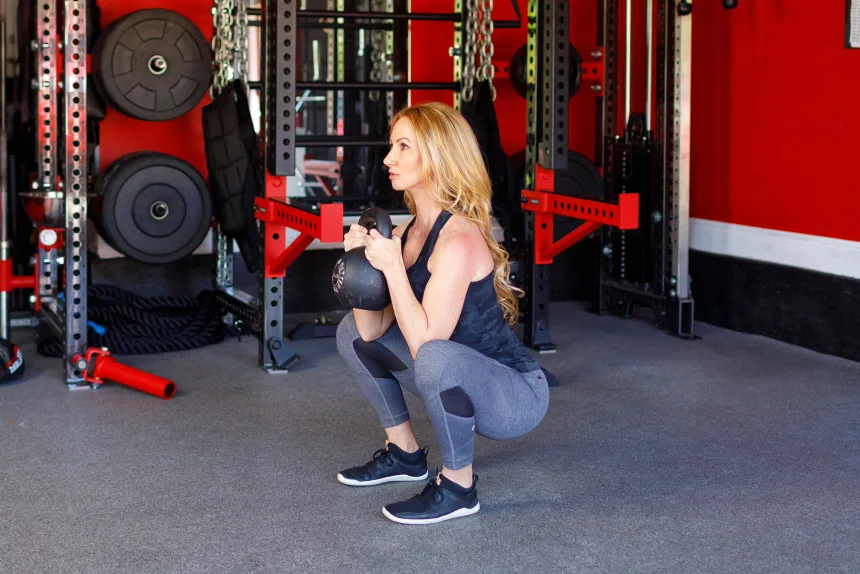
- These imbalances often develop gradually through everyday habits. Long hours of sitting can weaken the glutes and core while tightening the hip flexors. As a result, the lower back and hamstrings may take over during basic movements like walking, squatting, or bending.
- Similarly, spending extended time hunched over a phone or computer can tighten the chest and restrict mid-back mobility. This forces the neck and upper back muscles to work harder than they should, often leading to discomfort and strain.
- Even past injuries can trigger compensation. An old ankle sprain, for example, may cause instability that shifts stress to the opposite leg or hip. Over time, these adjustments can spread throughout the body.
When Compensation Becomes a Problem
Initially, compensation is the body’s way of adapting and staying functional. But when these patterns persist, they can create more harm than good.
Overworked muscles fatigue quickly and become tight or painful, while underused muscles grow weaker. This imbalance can lead to chronic tension, reduced stability, and a higher risk of injury.
Signs Your Body May Be Compensating
You can often detect compensation patterns by paying attention to how your body feels during movement:
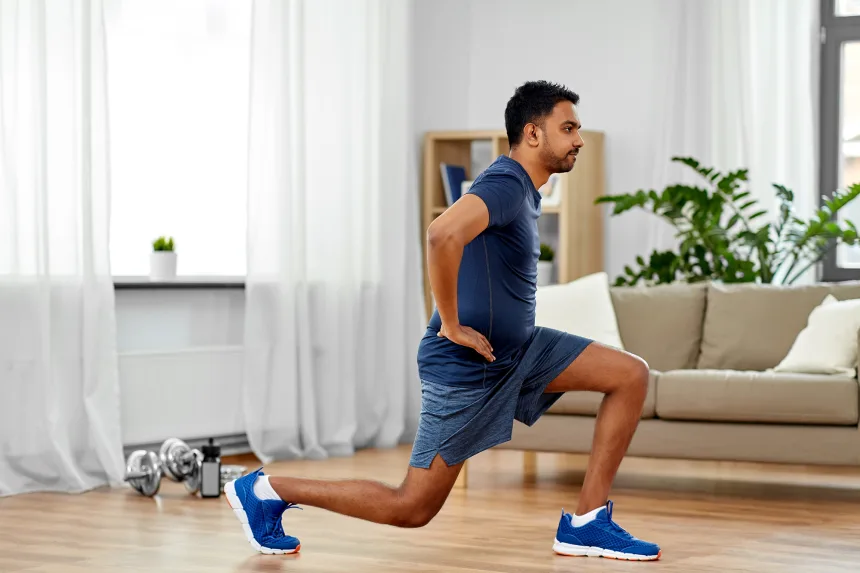
- Feeling strain in your lower back or hamstrings instead of your glutes during squats or lunges
- Shoulders rising or neck tightening when lifting your arms overhead
- Hip flexors working harder than your core during abdominal exercises
- One side of your body doing more work than the other
- Certain muscles feeling unusually sore or fatigued after workouts
These signals suggest your body isn’t distributing effort evenly.
How to Correct Compensation Patterns
Fixing these imbalances doesn’t require complicated routines, but it does demand attention to how you move.
1. Slow down your movements
Perform exercises at a controlled pace. This helps you notice when the wrong muscles are taking over and allows the correct ones to engage properly.
2. Improve your breathing
Proper breathing supports core stability. Focus on expanding your ribs as you inhale and fully exhaling to reset your diaphragm. Poor breathing mechanics can reinforce compensation patterns, especially in the neck and shoulders.
3. Work on mobility
Restricted areas—like tight hip flexors or a stiff mid-back—often drive compensation. Improving mobility in these regions helps restore proper movement and reduces stress on other parts of the body.
Exercises that involve multiple areas at once, such as rotational movements, can be especially effective in restoring balance.
Focus on Movement, Not Just Pain
Muscle compensation isn’t a flaw—it’s the body’s way of adapting. But when those adaptations go unchecked, they can lead to persistent discomfort.
Rather than constantly treating sore muscles, it’s more effective to address how your body moves as a whole. By improving coordination, breathing, and mobility, you allow the right muscles to do their intended jobs.
The result isn’t just temporary relief—it’s a more stable, efficient, and pain-free way of moving.