
Tarique Rahman UN speech: Tarique Rahman urges world leaders to step up climate action at UN
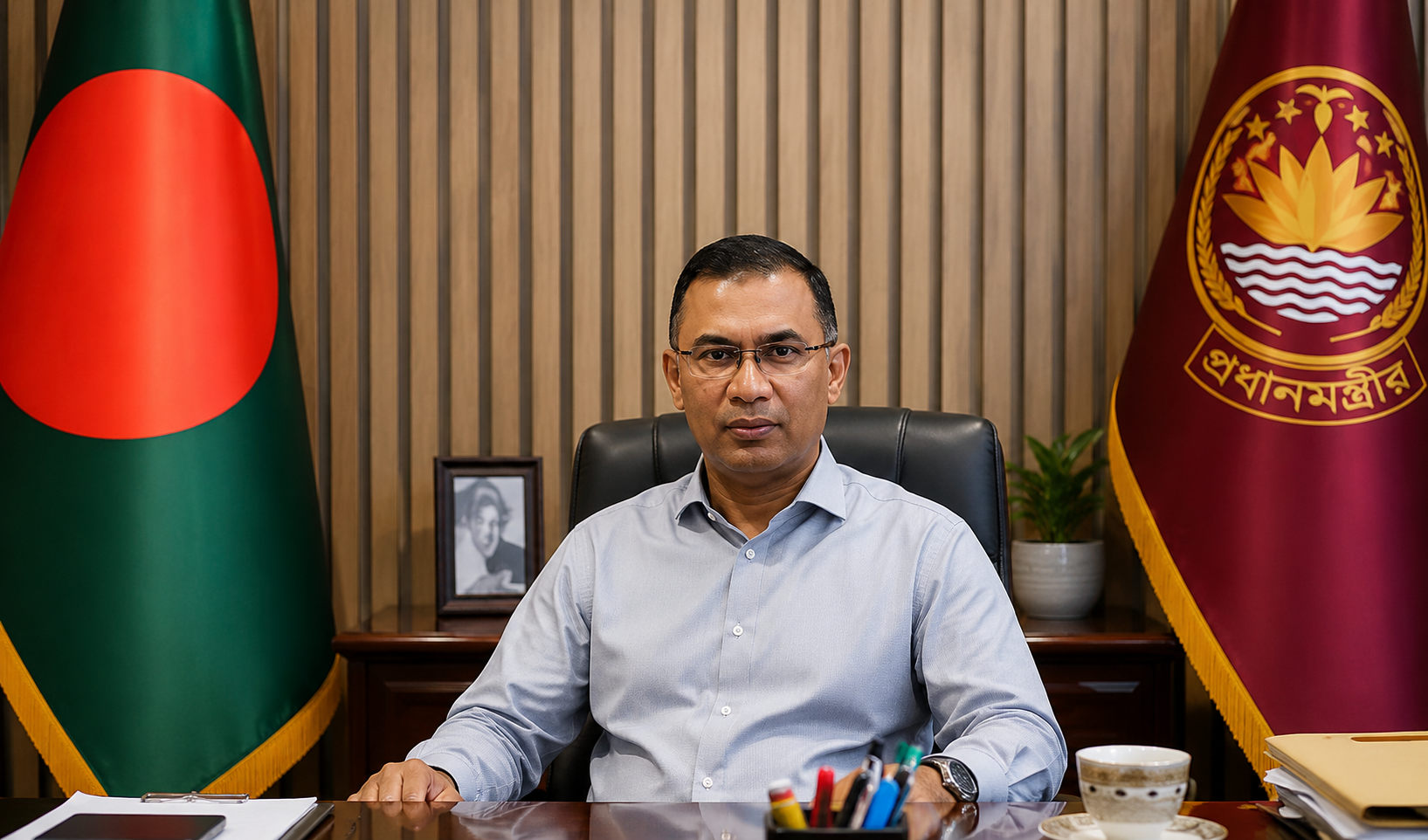
Bangladesh Prime Minister Tarique Rahman has urged stronger global climate action, affordable climate finance, clean technology and full implementation of the Loss and Damage Fund.
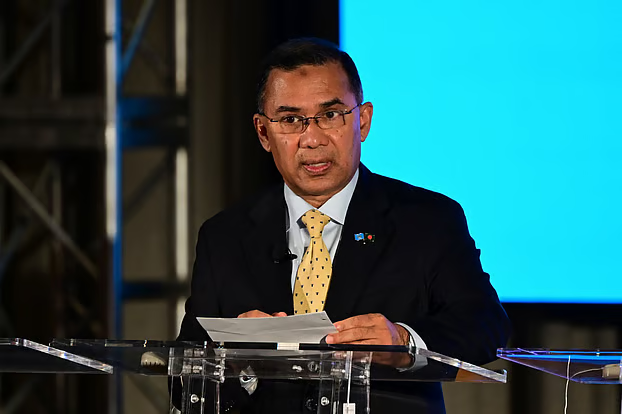
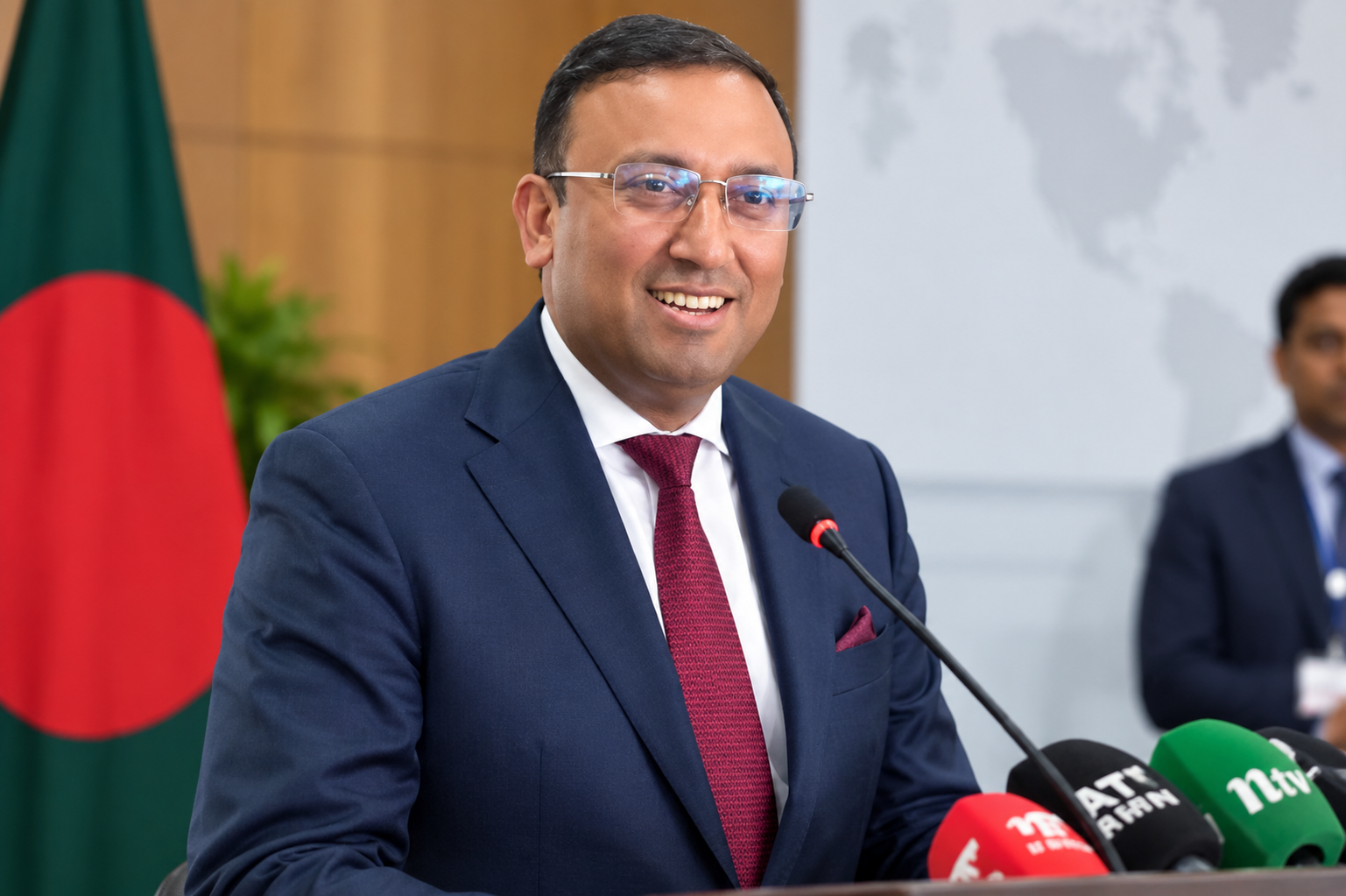
NEW YORK, Sept. 24 — Bangladesh Prime Minister Tarique Rahman on Wednesday called for stronger international action on climate change, urging world leaders to ensure affordable climate finance, expand access to clean technology and fully implement the Loss and Damage Fund.
“Let us act together to build a safer and more sustainable future for generations to come,” Rahman said at a high-level meeting on “Climate Action and the Just Transition” at United Nations headquarters in New York.
The meeting, convened by U.N. Secretary-General António Guterres during the high-level week of the 81st U.N. General Assembly, focused on climate action, climate justice and a sustainable energy transition.
Rahman outlined five priorities: keeping the global temperature increase within 1.5 degrees Celsius through deeper emissions cuts, providing predictable and affordable adaptation finance for vulnerable countries, expanding access to climate-smart technologies, scaling up renewable energy through financing and technology transfers, and fully implementing and replenishing the Loss and Damage Fund.
Rahman said Bangladesh contributes less than 0.5% of global greenhouse gas emissions but remains among the countries most vulnerable to climate change.
He said rising sea levels could submerge 12% to 18% of Bangladesh’s coastal areas by the end of the century, threatening the livelihoods of tens of millions of people and putting food security at risk.
Climate change has already caused losses equivalent to about 1% of Bangladesh’s gross domestic product, Rahman said. He added that the government has allocated nearly $3.19 billion in the current budget for climate adaptation but warned that international support would be needed to prevent severe losses.
Rahman said Bangladesh plans to plant 250 million trees over the next five years. The country is also working to excavate about 20,000 kilometers of rivers and canals to improve water retention, reduce flood risks, restore wetlands, and recharge groundwater, he said.
The government is also advancing master plans for the Padma and Teesta barrages, according to Rahman.
Bangladesh aims to meet 20% of its electricity demand from renewable sources by 2030, he said. The government is also promoting green industries, including jute products, environmentally friendly transport, waste-to-energy projects, and circular-economy initiatives, while working to establish a national carbon market.
“Bangladesh cannot succeed in isolation,” Rahman said, calling for collective action based on the principle of common but differentiated responsibilities and respective capabilities.
Rahman is in New York to attend the 81st session of the U.N. General Assembly. He is scheduled to deliver Bangladesh’s address to the General Debate on Thursday.