
The Food Recalls and Salmonella Alerts Issued This Month: What Consumers Need to Know
Stay informed about the latest food safety warnings, Salmonella outbreaks, and product recalls to protect yourself and your family.
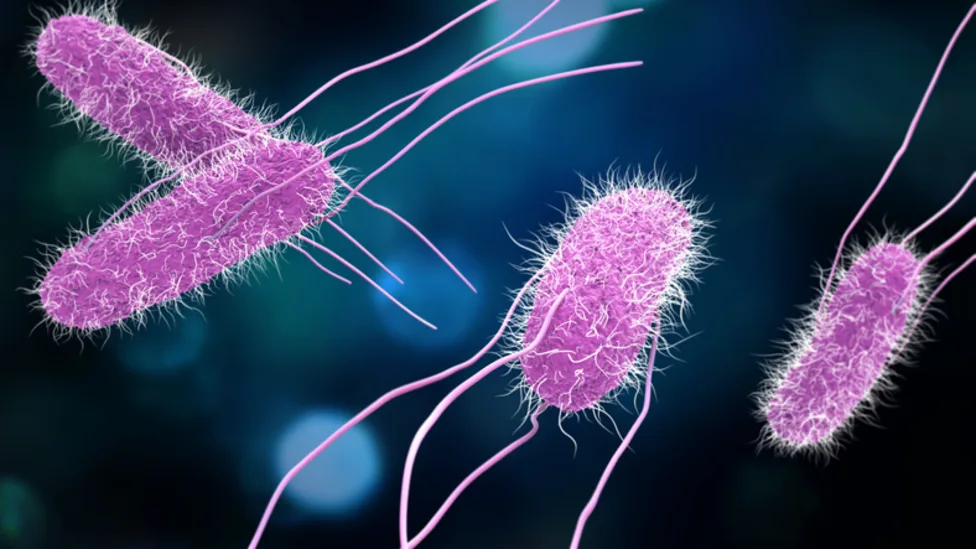
Salmonella Symptoms: Food safety remains a top concern for consumers worldwide, and recent food recalls and Salmonella alerts have once again highlighted the importance of staying informed. Every month, regulatory agencies and food manufacturers issue recalls protecting the public from potentially contaminated products. While these alerts can be alarming, understanding what they mean and how to respond can help keep you and your family safe.
In this article, we’ll explore the latest food recall trends, explain the risks associated with Salmonella contamination, and provide practical tips for consumers.
What Is a Food Recall?
A food recall occurs when a food product is removed from the market because it may pose a health risk to consumers. Recalls can happen for several reasons, including:
- Bacterial contamination such as Salmonella, E. coli, or Listeria
- Undeclared allergens
- Foreign objects found in food products
- Packaging or labeling errors
- Manufacturing defects that affect food safety
Food recalls are typically announced by government food safety agencies or voluntarily initiated by manufacturers after discovering a potential problem.
Understanding Salmonella Symptoms and Why It Matters
Salmonella is one of the most common causes of foodborne illness. It is a type of bacteria that can contaminate various foods, including:
- Poultry and eggs
- Fresh fruits and vegetables
- Dairy products
- Nut products
- Processed and packaged foods
When people consume food contaminated with Salmonella Symptoms, they may develop salmonella symptoms such as:
- Diarrhea
- Fever
- Stomach cramps
- Nausea
- Vomiting
- Headaches
Salmonella Symptoms usually appear within six hours to six days after exposure and can last several days. While many healthy adults recover without treatment, young children, older adults, pregnant women, and individuals with weakened immune systems face a higher risk of serious complications.
Major Food Recalls and Salmonella Alerts This Month
Several food products have been recalled this month due to concerns about Salmonella Symptoms contamination and other food safety issues. These recalls serve as a reminder that contamination can occur at any stage of food production and distribution.
Commonly affected products in recent recalls have included:
Fresh Produce
Fresh fruits and vegetables are occasionally recalled when contamination is detected during routine testing. Consumers should carefully check recall notices and avoid consuming affected products.
Packaged Foods
Snack products, spices, nut butters, and ready-to-eat foods have also been subject to recalls due to potential bacterial contamination.
Poultry and Meat Products
Raw poultry remains one of the most common sources of Salmonella outbreaks. Proper cooking and food handling practices are essential to reduce risk.
Dairy and Specialty Products
Certain dairy products and specialty foods may also be recalled if testing reveals contamination or manufacturing concerns.
How to Check if You Have a Recalled Product
Consumers should regularly monitor food recall announcements from trusted sources. If a product has been recalled:
- Check the product name and brand.
- Review lot numbers and expiration dates.
- Compare the information with products in your home.
- Stop using the product immediately if it matches the recall notice.
- Follow the manufacturer’s instructions regarding disposal or refunds.
Keeping food packaging until products are consumed can make it easier to identify recalled items.
What to Do If You Ate a Recalled Food
If you believe you have consumed a recalled food product:
- Monitor yourself for symptoms of foodborne illness.
- Stay hydrated if salmonella symptoms occur.
- Contact a healthcare provider if symptoms become severe.
- Seek immediate medical attention for high fever, prolonged diarrhea, dehydration, or bloody stools.
Most cases are mild, but vulnerable populations should be especially cautious.
Tips to Reduce the Risk of Salmonella Infection
While food recalls help remove unsafe products from circulation, consumers can take additional precautions at home.
Wash Hands Frequently
Always wash your hands before and after handling food, especially raw meat, poultry, or eggs.
Cook Foods Thoroughly
Proper cooking temperatures help kill harmful bacteria. Use a food thermometer when preparing meat and poultry.
Prevent Cross-Contamination
Keep raw foods separate from ready-to-eat items. Use different cutting boards and utensils when preparing foods.
Store Food Properly
Refrigerate perishable items promptly and maintain safe refrigerator temperatures.
Wash Produce Carefully
Rinse fruits and vegetables under running water before consumption, even if they will be peeled.
Why Food Recalls Are Increasingly Visible
Consumers may feel like food recalls are becoming more common, but improved testing technology and enhanced food safety monitoring often lead to faster detection and reporting. Regulatory agencies are better equipped than ever to identify potential contamination before widespread illness occurs.
In many cases, recalls demonstrate that food safety systems are working as intended to protect public health.
The Importance of Staying Informed
Food recalls and Salmonella Symptoms can occur at any time, making awareness a key component of food safety. By paying attention to recall notices and practicing proper food handling habits, consumers can significantly reduce their risk of foodborne illness.
Taking a few minutes to check recall updates and verify food safety information can help protect your health and provide peace of mind for your household.
This month’s food recalls and Salmonella alerts serve as an important reminder that food safety should never be taken for granted. While most food products remain safe, staying informed about recalls, understanding the risks of Salmonella, and following safe food handling practices are essential steps for every consumer.
By remaining vigilant and responding quickly to recall notices, you can help ensure the food on your table remains safe for you and your family.
Sources
- U.S. Food & Drug Administration (FDA) – Recalls, Outbreaks & Emergencies
- FDA – Recalls of Foods & Dietary Supplements
- FDA – Outbreaks of Foodborne Illness
- FDA – Major Product Recalls
- Centers for Disease Control and Prevention (CDC) – How Salmonella Infections Happen
- CDC/FDA – Salmonella (Salmonellosis) Information
Recent Recall News References
- FDA Recall of Blackstone Parmesan Ranch Seasoning Due to Salmonella Concerns
- FDA Investigation of MOGO Moringa Capsules Linked to Salmonella Outbreak
- Food and Drink Product Recalls Linked to Potential Salmonella Contamination