Zendaya in Season 3 of 'Euporia.'( Patrick Wymore/HBO) Image collected from CNN Entertenment
“Euphoria” Has Outgrown Itself — On Screen and Off
When Euphoria first premiered, it felt like a lightning strike—stylized, raw, and unapologetically intense. Its glossy visuals and unflinching portrayal of teenage life quickly made it a cultural touchstone. But years after its debut, the question hanging over the series is no longer about its impact. Instead, it’s whether Euphoria has grown beyond its own limits—both narratively and in the real world that surrounds it.
On screen, the show’s ambition has steadily expanded. What began as a tightly woven story centered on Rue’s addiction and a core group of high school students has ballooned into something more sprawling and, at times, less cohesive. Characters once grounded in relatable struggles now often feel like symbols in a heightened, almost surreal universe. The emotional stakes remain high, but the storytelling can drift—lingering in aesthetic excess rather than narrative clarity.
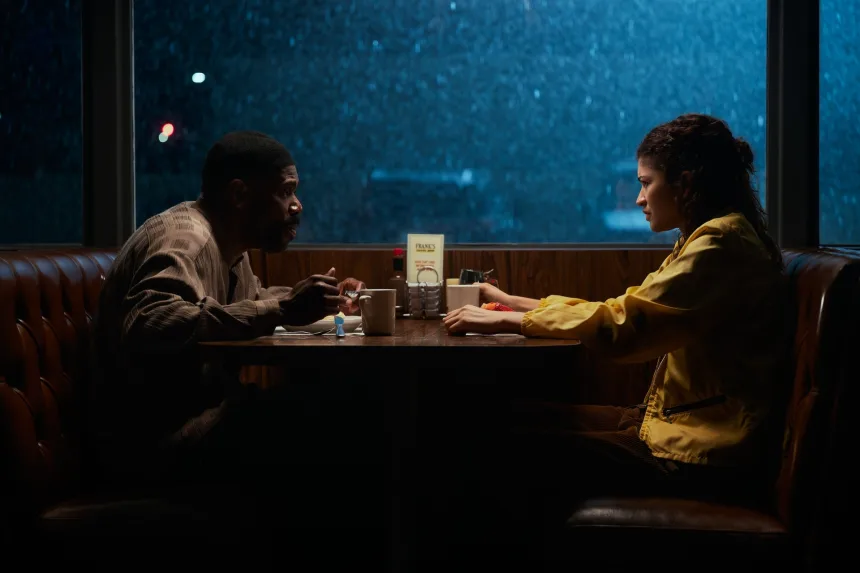
(From left) Colman Domingo and Zendaya in Season 3 of 'Euphoria.' (Patrick Wymore/HBO) Image collected rom CNN Entertenment
This evolution isn’t entirely surprising. Success tends to magnify everything: the budget, the expectations, and the pressure to outdo what came before. In Euphoria’s case, that has meant pushing further into spectacle—longer episodes, more elaborate sequences, and heavier thematic weight. But in doing so, the show risks losing the intimacy that made it resonate in the first place. The quiet, painful moments that once defined its identity are increasingly overshadowed by grand, sometimes indulgent set pieces.
Off screen, the story is just as complicated. Production delays, scheduling conflicts, and the growing fame of its cast have all contributed to a sense that Euphoria is no longer the scrappy, boundary-pushing series it once was. It has become an institution—one that must navigate industry realities as much as creative ones. The long gaps between seasons have only intensified scrutiny, turning each new development into a headline and each delay into a source of speculation.
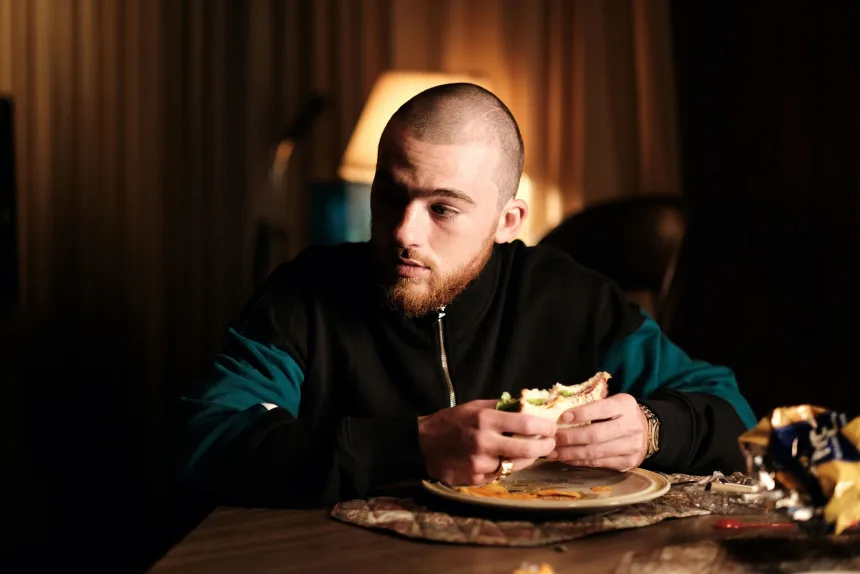
Angus Cloud in Season 2 of 'Euphoria.' (Eddy Chen/HBO) Image collected from CNN Entertenment
The cast, many of whom were relatively unknown at the start, are now global stars. Their careers have expanded far beyond the show, making coordination more difficult and raising questions about the series’ long-term viability. At the same time, audience expectations have shifted. What once felt groundbreaking now faces the challenge of staying relevant in a landscape that has absorbed and replicated many of its stylistic choices.
There’s also a broader cultural shift at play. The show’s depiction of excess—drug use, violence, and emotional volatility—initially sparked conversation for its honesty. Now, it sometimes feels caught between critique and glorification, unsure of how to evolve its perspective as its audience matures.
Sydney Sweeney in Season 3 of 'Euphoria.' (Patrick Wymore/HBO) Image collected from CNN Entetenment
None of this diminishes what Euphoria has accomplished. It redefined the visual language of teen drama and opened space for more experimental storytelling in mainstream television. But its current moment suggests a series at a crossroads. To move forward, it may need to scale back—to rediscover the emotional core that first drew viewers in, rather than continuing to build outward.
In many ways, Euphoria is facing the same challenge as its characters: how to grow up without losing itself. Whether it can strike that balance will determine not just its future, but its legacy.











Post Comment