

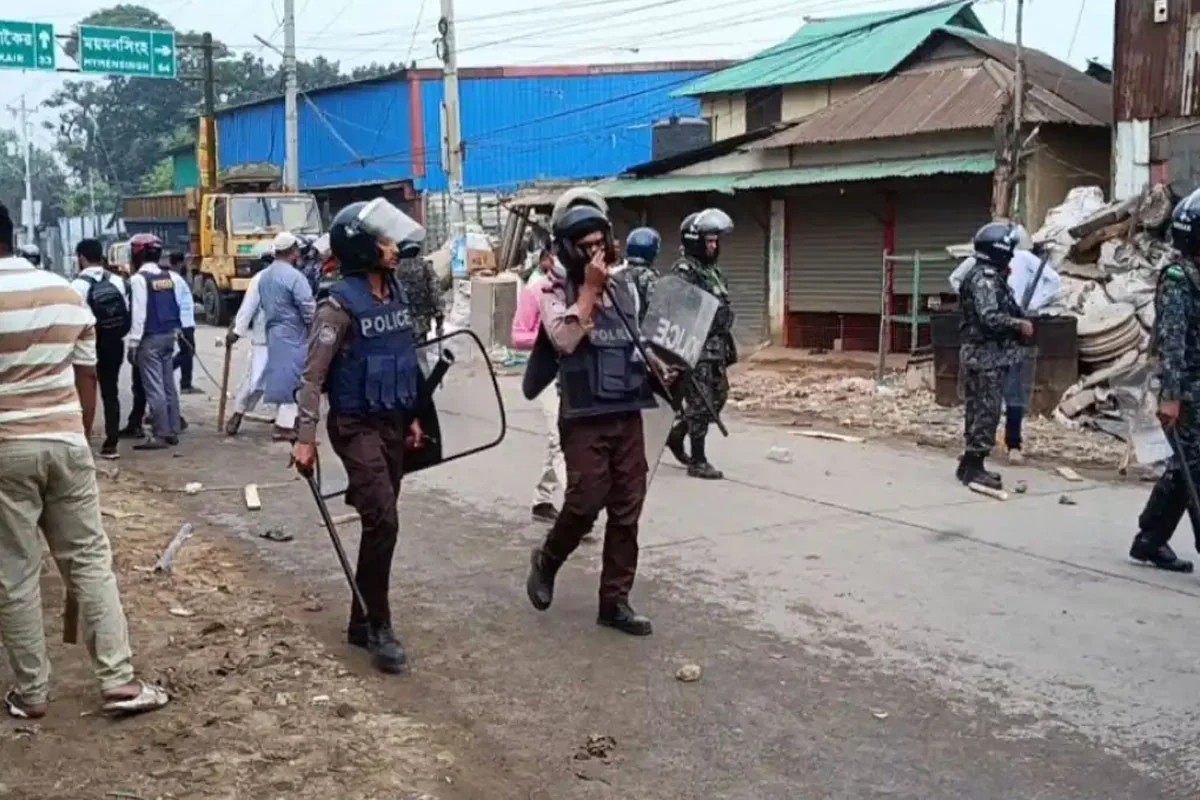

Narayanganj Seven Murder Case: Tareque Sayeed’s Confession Mentions Ziual Ahsan’s Role, Says Attorney General
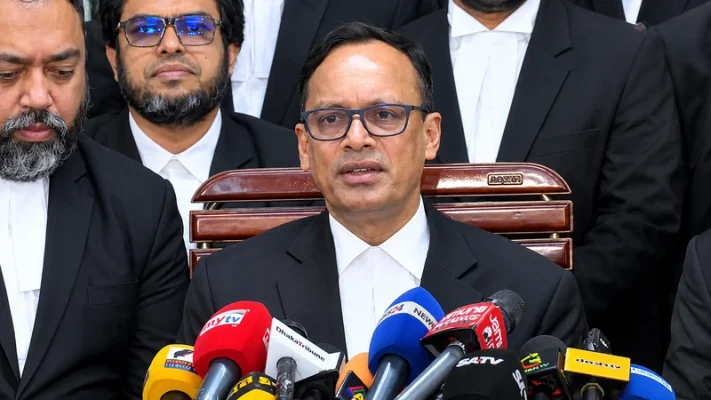
Dhaka, November 25: Former Rapid Action Battalion (RAB) official Colonel (retd.) Ziual Ahsan’s alleged involvement in the 2014 Narayanganj seven murder case has emerged in the confessional statement of the case’s principal accused, Tareque Sayeed Mohammad, Attorney General Md Ruhul Quddus Kazal has said.
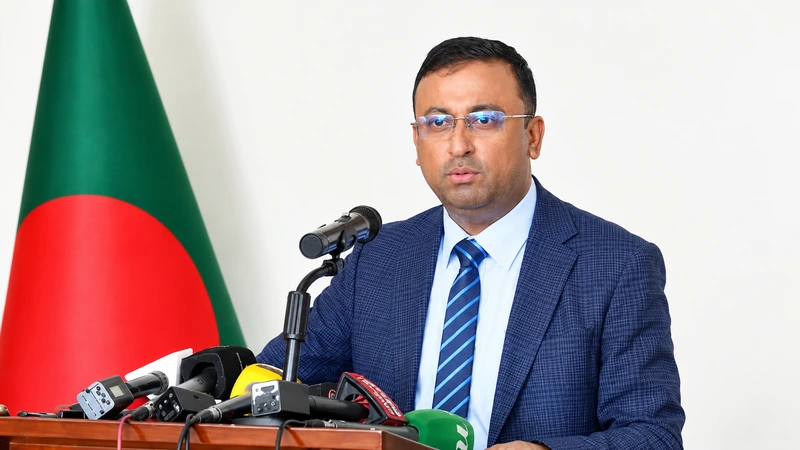
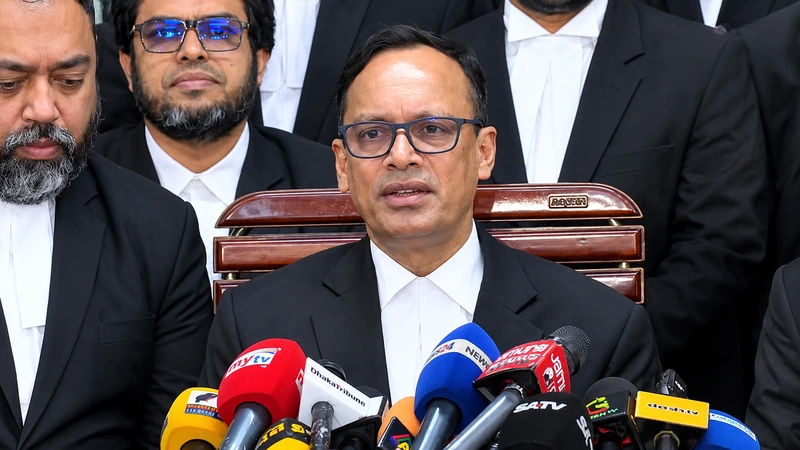
Speaking to reporters at the Supreme Court premises on Wednesday, following the hearing of appeals in the sensational murder case, the Attorney General said Tareque Sayeed’s statement recorded under Section 164 of the Code of Criminal Procedure contained references to Ahsan’s instructions and operational role.
According to the Attorney General, Tareque Sayeed stated that operations against listed criminals could not be conducted by RAB battalion commanders without approval or instructions from the then Additional Director General (Operations) at RAB headquarters, Colonel Ziual Ahsan.
Confessional statements detail the killings
Describing the brutality of the crime, Kazal said the victims were initially abducted in two stages.
Five people were kidnapped first. Later, lawyer Chandan Sarker and his driver were also abducted after witnessing the incident.
All seven victims were subsequently rendered unconscious and murdered. Their bodies were weighted down with bricks and cement bags before being dumped into a river to prevent them from floating to the surface, he said.
The Attorney General noted that the accused had provided detailed accounts of different stages of the crime, including the planning, abduction, killings and disposal of the bodies.
He added that the confessional statements were consistent with other evidence presented in the case.
Tareque Sayeed’s statement refers to instructions from Ziual Ahsan
Additional Attorney General Barrister Anik R Haque said the prosecution had placed relevant portions of several confessional statements before the Appellate Division.
These included statements made by Tareque Sayeed Mohammad, former Major Arif Hossain, Lieutenant Commander MM Rana, Habildar Emdadul Haque and Constable Abu Tayyeb.
Haque explained that since there were no eyewitnesses to the actual killings, the confessional statements had become an important part of the prosecution’s arguments.
According to Tareque Sayeed’s statement, he joined RAB-11 as its commanding officer in the first week of November 2013.
He reportedly told investigators that under RAB’s operational procedures, battalion commanders needed permission from the ADG (Operations) at headquarters before taking action against individuals listed as criminals.
The statement further refers to a Commanding Officers’ Conference held at RAB headquarters in March 2014. At the meeting, Ahsan allegedly handed Tareque Sayeed a list of suspected criminals that included Narayanganj-based Nazrul Islam.
Nazrul’s name reportedly carried a special marking, accompanied by instructions to arrest him and send him to RAB headquarters for interrogation.
Tareque Sayeed subsequently informed company commanders about the list and instructed them to arrest the individuals identified in it, according to the statement presented by the prosecution.
Why was Ziual Ahsan not made an accused?
Responding to questions about why Ziual Ahsan was not formally charged in the seven-murder case, the Attorney General said the trial had been conducted under the country’s existing criminal justice system.
He explained that the proceedings of the International Crimes Tribunal follow a different legal framework from those of ordinary criminal courts.
Although Ahsan was not named as an accused in this particular case, references to his name and responsibilities appeared in witness testimonies and confessional statements, he said.
Kazal maintained that this fact alone did not provide grounds to describe the completed judicial proceedings as flawed.
Prosecution seeks to uphold High Court verdict
The Attorney General said the High Court had sentenced 15 people to death, 11 to life imprisonment and nine others to different terms of imprisonment in connection with the killings.
The prosecution has argued in favour of maintaining the High Court’s verdict during the ongoing appeal proceedings.
Kazal said he and Additional Attorney General Anik R Haque presented arguments on behalf of the state during Wednesday’s hearing, highlighting relevant portions of the High Court judgment, case evidence and the accused persons’ confessional statements.
The hearing is expected to continue on Thursday, with the prosecution planning to place further evidence and relevant statements before the Appellate Division.
Four high-profile murder cases prioritized for hearings
During the briefing, Kazal also said his office had taken initiatives to accelerate proceedings in several high-profile murder cases.
The Attorney General’s Office has sought to prioritise hearings in four major cases before the Appellate Division during November and the first week of December.
The cases involve:
- The Narayanganj seven-murder incident
- The murder of Bangladesh University of Engineering and Technology (BUET) student Abrar Fahad
- The killing of Major (retd.) Sinha Mohammad Rashed Khan
- The murder of Biswajit Das
According to Kazal, expediting the disposal of these cases is important to ensure timely justice and meet public expectations regarding the enforcement of sentences.
He emphasized that receiving justice without unnecessary delay is a fundamental right of every citizen, although court workloads and practical limitations sometimes prolong legal proceedings.
The Attorney General expressed hope that prioritizing these cases would help bring the long-running judicial processes closer to completion.