



CJP Braces for Arrests Ahead of Oct. 10 Jantar Mantar protest
Party leaders say the planned protest over CEC Gyanesh Kumar and the SIR voter-roll process will go ahead despite alleged arrest plans.
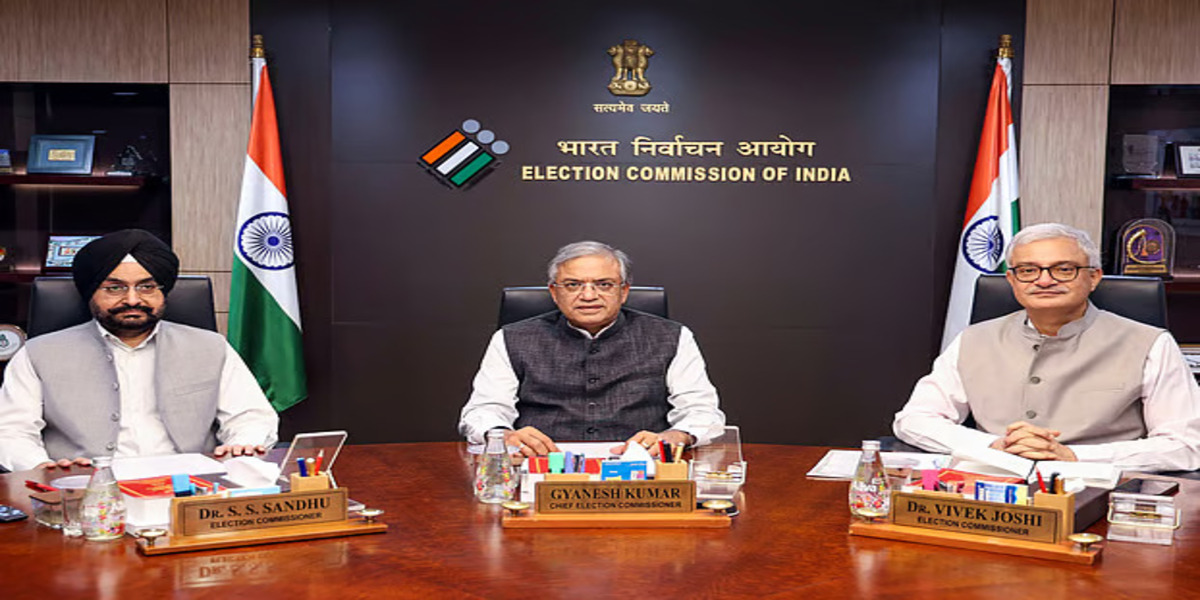
NEW DELHI — Leaders of the Cockroach Janata Party (CJP) say they fear arrest ahead of a planned protest in New Delhi on Oct. 10 demanding the removal of Chief Election Commissioner Gyanesh Kumar and the scrapping of the Special Intensive Revision (SIR) of electoral rolls.
CJP leader Sourav Das said in a post on X late Sunday that the government was planning to arrest him and several other party leaders, including Abhijit Dipke, Ashutosh Ranka and Ratna Singh. He did not provide evidence for the claim.
“If the government thinks such authoritarian conduct will work, it is mistaken,” Das said, urging supporters to continue what he described as a fight for their rights and future.
He said the protest would go ahead despite any arrests and predicted a large gathering at Jantar Mantar on Oct. 10.
Dipke separately addressed Union Home Minister Amit Shah on social media, asking how many people the government would arrest and saying people from across the country would gather at Jantar Mantar.
The CJP announced the protest after a rally in Mumbai on Oct. 2. Party leaders said the place where police detained them on Oct. 10 would effectively become their “Jantar Mantar.”
Delhi Police has barricaded areas around Jantar Mantar since the opposition INDIA bloc called for a series of protests beginning Oct. 2. Demonstrations by various groups and civil society activists have continued in the capital, with some protesters detained.
Dipke renews call to boycott elections
Dipke on Monday renewed his call for a boycott of elections, saying participation would be meaningless as long as Gyanesh Kumar remains chief election commissioner and elections are conducted using electoral rolls prepared under his supervision.
He alleged that recent BJP victories in states where the party had previously struggled were linked to the election process overseen by Kumar. Dipke said the situation would become clear if Kumar were removed and the SIR process frozen.
The allegations have not been independently substantiated.
Supreme Court hearing on Gyanesh Kumar
The Supreme Court is scheduled to hear petitions on Monday raising questions about the functioning of the Election Commission and the powers exercised by the chief election commissioner.
One petition alleges that Kumar took unilateral decisions despite objections from the other two election commissioners. The petitioners argue that Article 324 of the Constitution vests election-related powers in the Election Commission as a body and that disagreements should be resolved by majority.
They claim the two other commissioners have objected to decisions in at least 14 instances over the past 10 months but that Kumar proceeded despite those objections.
The petitioners have also alleged irregularities in the management of electoral-roll data and claimed that additional information was unlawfully added to Form 6, which is used for voter registration.
Another petition, filed by Delhi lawyer Shailendra Mani Tripathi, alleges constitutional violations by Kumar and seeks permission to initiate criminal proceedings against him.
The petitioners have also asked the Supreme Court to appoint a retired judge to head a high-powered special investigation team to examine the allegations.
Judges criticise Election Commission
Ahead of the hearing, Supreme Court Justice Ujjal Bhuyan and former Supreme Court judge Rohinton Fali Nariman criticized aspects of the Election Commission’s functioning.
Speaking at an event on Sunday, Bhuyan said denying citizens their right to vote was a serious constitutional issue. He argued that voters should not be removed from electoral rolls without notice or an opportunity for a hearing, except in cases such as the removal of names of deceased voters.
Nariman also criticized the electoral system and called for changes to the process of appointing election commissioners. He suggested that the prime minister, the opposition leader and the chief justice of India or the chief justice’s nominee should have a role in the appointments.
CJP questions Supreme Court’s role
Das has also criticized the Supreme Court over its handling of cases concerning the SIR process in West Bengal and Bihar.
He alleged that delays in hearing key petitions had left important questions concerning voting rights unresolved. Das said this could affect young voters and undermine public confidence in the court.
He also accused the court of delaying hearings on cases involving the fall of the Maharashtra government, a constitutional crisis in Delhi and political defections, claiming that the BJP benefited from those delays.
The allegations by the CJP leaders could not be independently verified. The BJP and the Election Commission had not immediately responded to the claims.