


Nahid Islam democratic protest: Nahid Islam Warns ‘Recklessness’ Narrative Could Lead to Arrests, Lawsuits
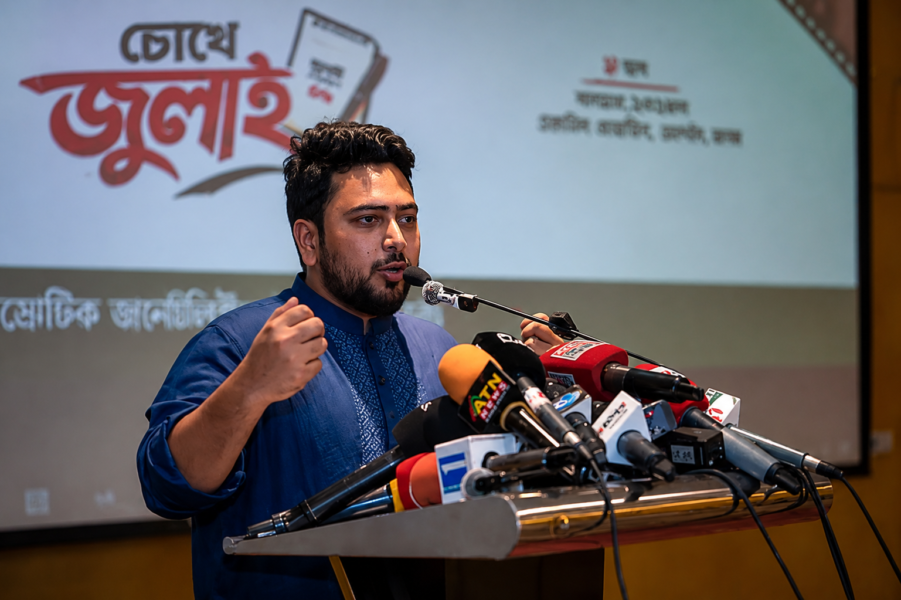
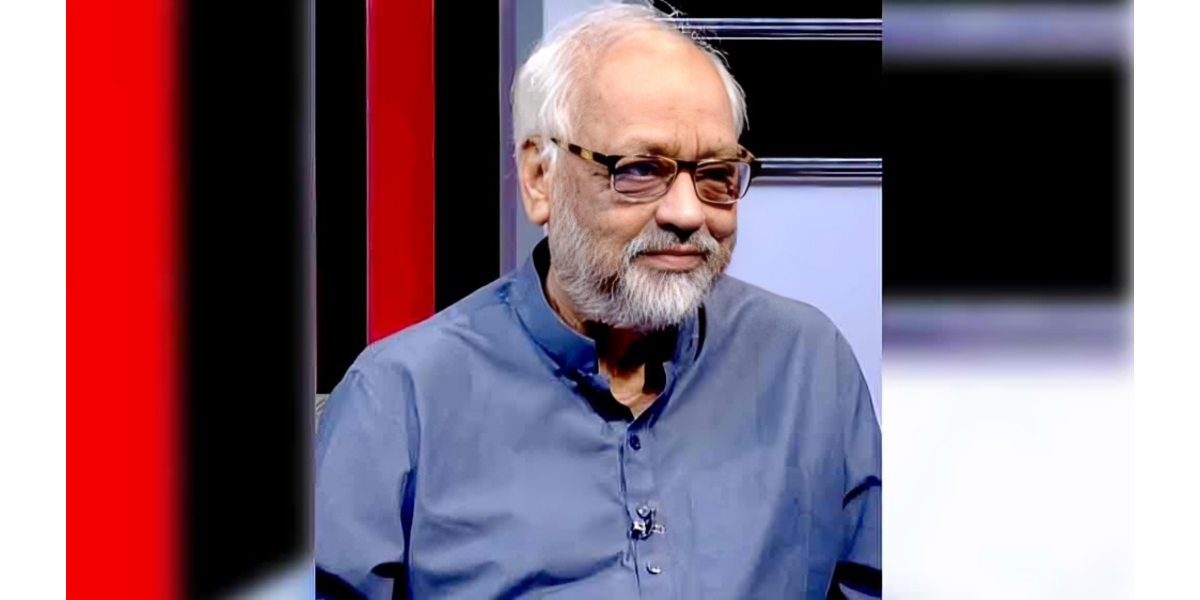
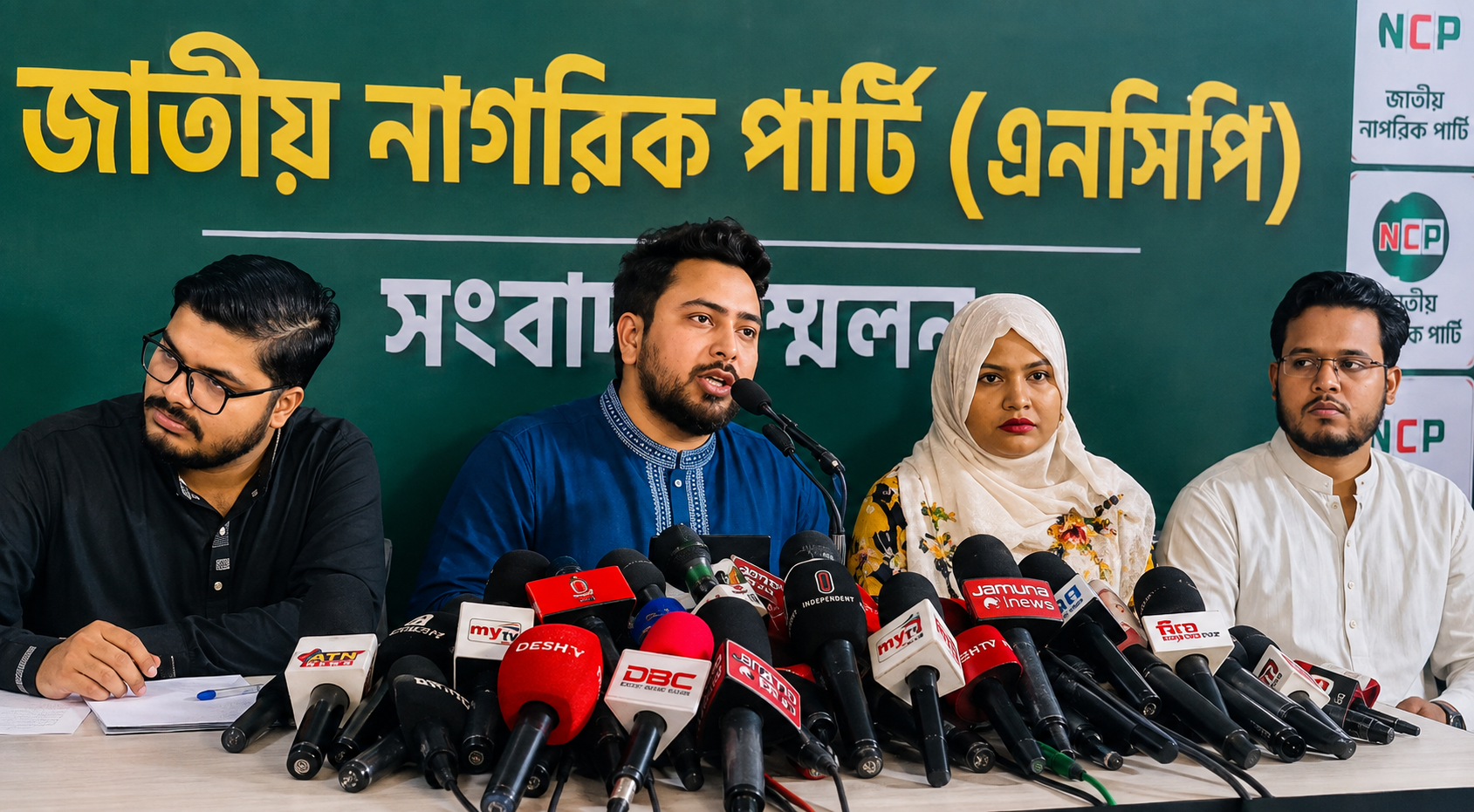
Dhaka, Bangladesh — Nahid Islam, Convener of the National Citizen Party (NCP), has expressed strong disapproval of Prime Minister Tarique Rahman’s recent characterization of the party’s protests regarding the ongoing electricity and gas crisis as “recklessness.” In a speech delivered on Monday, Nahid cautioned that such statements could be setting a dangerous narrative that may lead to increased arrests and legal actions against opposition activists.
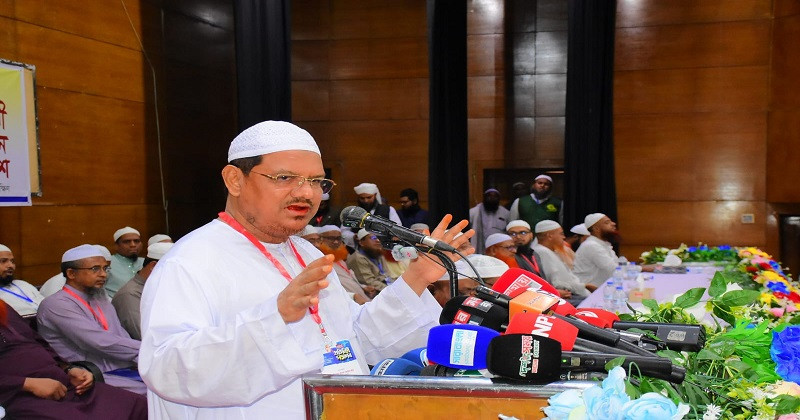
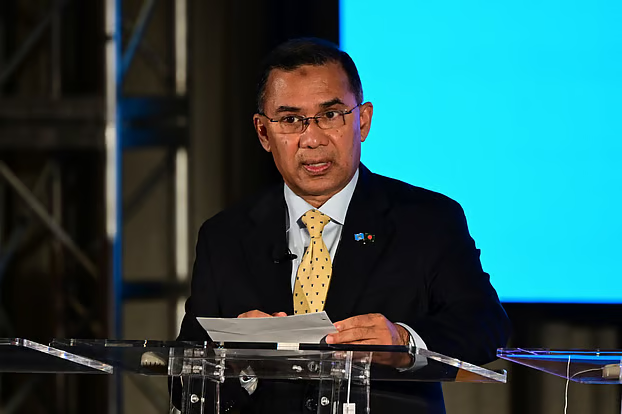
“Street demonstrations are a fundamental aspect of democratic politics, and opposition parties must have the freedom to articulate their demands, both in parliament and in public,” Nahid stated during a program titled “July Through the Eyes of Journalists,” held at the Hotel Westin in Gulshan, Dhaka. The event was organized by the Democratic Journalist Alliance (DJA), providing a platform for journalists to share their experiences covering the significant developments of July.
In a political environment already fraught with tension, Nahid emphasized the detrimental effects of labeling peaceful protests as reckless. He argued that such rhetoric not only misrepresents the actions of opposition groups but also paves the way for future crackdowns on dissent. “It is disheartening to see the government label our peaceful advocacy for reliable supplies of electricity and gas as reckless,” he remarked, urging the public to recognize the implications of such language.
The NCP leader insisted that the government’s derogatory portrayal of their protests could effectively criminalize future acts of civil disobedience. “If I protest on the streets with a placard tomorrow, I may be accused of intending to vandalize public property, leading to my arrest and subsequent legal challenges,” he stated, highlighting the risks faced by political protesters. “This narrative is being constructed from the government’s side, and it must be addressed.”
The comments come in the wake of a mass rally organized by the NCP on August 14, where party members and supporters blocked roads in protest of the country’s ongoing energy crisis. During the demonstration, Nahid and fellow leaders held hurricane lamps, symbolically illustrating the struggles faced by citizens amidst frequent power outages. In response, Prime Minister Rahman spoke critically of the demonstration, declaring, “the days of standing on the street and engaging in the politics of vandalism are over,” further dismissing the protests as reckless.
Nahid strongly objected to this framing, arguing that peaceful demonstrations should not be equated with vandalism or criminal behavior. Emphasizing the need for a robust democratic process, he asserted, “The opposition must be allowed to express their opinions in parliament as well as through peaceful street movements. That is the essence of a democratic state.”
Moreover, Nahid directed attention toward the narrowing space for free expression in Bangladesh. He expressed concern that the current political climate could worsen if parties, journalists, and various stakeholders do not proactively collaborate to safeguard democratic principles and discourse. “We do not know how long this environment for free expression will persist. Everyone must unite to prevent the erosion of democracy,” he stated.
During his address, Nahid also raised alarm about the treatment of journalists under the current government, alleging an atmosphere of hostility towards the press. He pointed out the dismissal of several journalists and criticized what he described as biased coverage of the Anti-Discrimination Student Movement and subsequent NCP activities. “How can we call this journalism?” he questioned, referring to the disproportionate coverage of senior NCP leader Hasnat Abdullah, who faced over 20 articles in less than 48 hours following a statement he made.
In light of these issues, Nahid urged journalists to adhere to professional standards, emphasizing the importance of objective and truthful reporting. He also called on political entities to behave responsibly in their interactions with the media.
The sentiment among the attendees at the DJA event resonated with Nahid’s overarching call for unity and responsibility within democratic discourse. The discussion highlighted the growing tensions between the government and the opposition in Bangladesh, emphasizing the importance of protecting citizens’ rights to free expression and political protest.
As the political climate continues to evolve, the implications of language and narrative constructed by those in power bear critical weight on the future of democratic engagement in Bangladesh. The NCP’s stance on the energy crisis and their method of protest will likely remain a contentious issue, raising questions about the balance between governance and the rights of citizens to voice their dissent through demonstrations.
Moving forward, both the government and the opposition must navigate this complex landscape with an understanding of the intrinsic value of democratic discourse in addressing the pressing issues affecting citizens across Bangladesh.