



Paraquat Spreading Across Bangladesh Despite Bans in 77 Countries
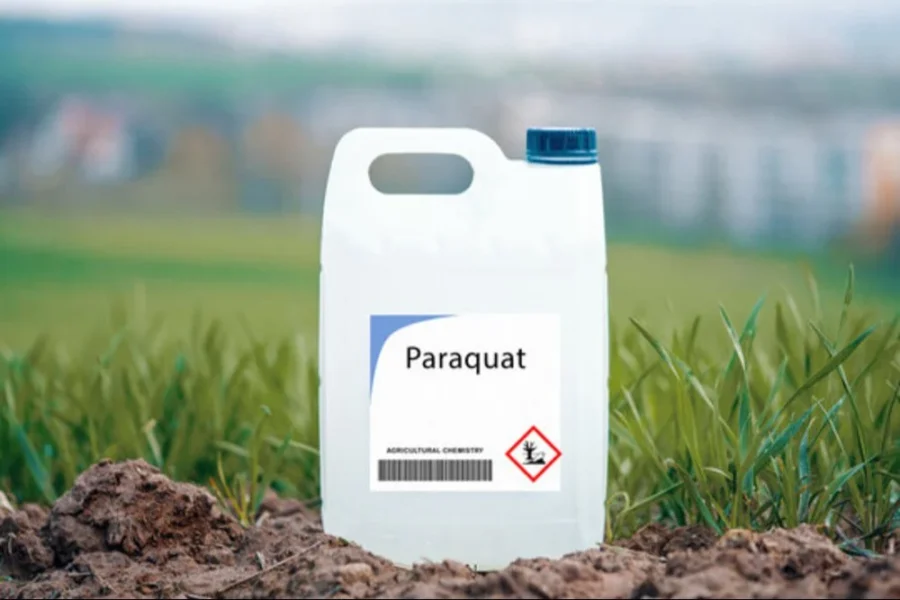
Paraquat, a highly toxic herbicide that has been banned or restricted in dozens of countries, is increasingly being used across Bangladesh, raising concerns over its impact on public health, agriculture and suicide prevention.
The growing use of the chemical comes amid a sharp rise in paraquat poisoning cases and deaths, according to a major study published this year. Researchers say the trend has reached the level of a public health emergency and are calling for urgent government action, including consideration of a ban.
The issue has become particularly visible in rural areas, where hospitals are reporting increasing numbers of patients who have ingested agricultural chemicals.
In Jhenaidah, for example, 117 patients were admitted to Jhenaidah Sadar Hospital with poisoning in July alone. Hospital sources said most of those patients had consumed herbicides. The district has historically recorded a high suicide rate, while health workers have recently observed a rise in suicide attempts involving agricultural chemicals.
Paraquat poisoning cases rise sharply
A study titled “Clinical and Laboratory Profile of Paraquat Poisoning: A Toxicological Crisis in Bangladesh” was published in May in the journal of the American Society of Tropical Medicine and Hygiene.
Researchers analysed medical data collected from 10 hospitals across Bangladesh between 2013 and 2024. According to the researchers, the hospitals included in the study serve more than 65 per cent of the country’s population.
The study identified 1,420 cases of paraquat poisoning during the 12-year period.
The researchers found a dramatic increase in reported cases and deaths over the period. There was one recorded death from paraquat poisoning in 2013. By 2024, the study recorded 493 poisoning cases, with 43.2 per cent of affected patients dying.
Researchers described the growing burden of paraquat poisoning as a “toxicological crisis” for Bangladesh.
The study was led by Dr Fazle Rabbi Chowdhury of the Department of Medicine at Bangladesh Medical University. Researchers from institutions including Dhaka Medical College and the University of Edinburgh also participated.
The authors described the research as the largest study of paraquat poisoning conducted in Bangladesh to date.
Young people make up majority of cases
The study found that young people accounted for a substantial majority of those affected by paraquat poisoning.
People aged between 12 and 30 represented 78.2 per cent of cases. Students were the largest affected group, accounting for 38.1 per cent of patients, followed by homemakers at 24.5 per cent. Farmers accounted for 14 per cent.
The figures have heightened concerns because paraquat is increasingly available in communities where people may have limited awareness of its potentially fatal effects.
Experts say the combination of widespread availability, inadequate public awareness and the absence of an established antidote makes paraquat particularly dangerous.
A highly toxic agricultural chemical
Paraquat is a herbicide used to control weeds. Although it has agricultural applications, exposure can cause severe poisoning and damage to multiple organs.
According to researchers, serious cases can result in severe kidney and lung damage, with some patients experiencing prolonged illness before death. Treatment options currently used for paraquat poisoning include supportive and specialised medical interventions, but researchers say no treatment has been conclusively established as an effective antidote.
Dr Fazle Rabbi Chowdhury, associate professor in the Department of Internal Medicine at Bangladesh Medical University and lead author of the study, said the severity of paraquat poisoning was deeply concerning.
He said research had linked paraquat exposure with serious health risks, including Parkinson’s disease and certain cancers. In an agriculture-dependent country such as Bangladesh, he warned, continued use of the chemical could expose a large section of the population to significant health risks.
Professor Md Abul Faiz, president of the Toxicology Society of Bangladesh and one of the study’s authors, also called for urgent action.
He said the evidence demonstrated the dangerous effects of paraquat and argued that the government should move quickly to consider banning the chemical.

Paraquat imports have increased dramatically
Government import data also indicate a major increase in the availability of paraquat in Bangladesh.
According to National Board of Revenue data cited in the study and reports, Bangladesh imported more than 53 tonnes of paraquat in 2013. By 2023, annual imports had increased to approximately 4,695 tonnes.
Agricultural workers and farmers say the chemical has become increasingly popular because it can control weeds quickly. Labour shortages and rising agricultural wages have also encouraged some farmers to rely more heavily on herbicides instead of manual weed removal.
The growing use has extended beyond traditional agricultural applications.
Paraquat was initially imported mainly for weed control in tea gardens, but its use has gradually expanded to other farming sectors, including crop cultivation in the plains and jhum agriculture in the hill regions.
Paraquat use reaches remote farming areas
The spread of paraquat has become evident even in remote agricultural communities.
During a recent visit to the Simanachhara area of Dighinala in Khagrachhari, a farmer involved in jhum cultivation said herbicides are now commonly used to control weeds. Paraquat is among the chemicals being used.
The farmer said he was not aware of the potential health hazards associated with paraquat but valued the chemical because of its effectiveness in removing weeds.
Agricultural researchers, however, say the widespread use of paraquat is not inevitable and that safer weed-management methods are available.
Professor Ramiz Uddin of the Department of Agronomy at Bangladesh Agricultural University, who has researched paraquat, said the chemical is being misused extensively.
He said Bangladesh has alternatives, including integrated weed management, mechanical weed control and comparatively less toxic herbicides.
Among the alternatives he identified are imazapyr, carfentrazone-ethyl and dicamba, although experts stress that all agricultural chemicals should be used strictly according to approved regulations and safety requirements.
Paraquat banned in dozens of countries
Paraquat has been banned in more than 77 countries because of concerns over its toxicity.
The chemical’s regulatory status varies internationally. In India, for example, it has not been banned nationwide, although several states have prohibited its use.
In Europe, paraquat was banned following regulatory action, while Australia has introduced tighter controls amid continuing debate over its risks.
Concerns have also been raised about a possible association between paraquat exposure and Parkinson’s disease. Researchers and public health experts say continued exposure to highly hazardous pesticides can create risks not only for people who intentionally ingest them but also for agricultural workers and others who may come into contact with the chemicals.
Evidence links pesticide bans with lower suicide rates
International research suggests that restricting access to highly toxic pesticides can contribute to a reduction in pesticide-related suicides.
A study published in 2025 in BMC Public Health examined suicide trends following pesticide restrictions. South Korea provides one notable example. Paraquat had been widely used in pesticide-ingestion suicides there, but after the chemical was banned in 2006, the rate of deaths from pesticide ingestion fell substantially over subsequent years.
Researchers in Bangladesh say such evidence is relevant to the country’s own public health policy, particularly because agricultural pesticides remain readily available in many rural communities.
Bangladesh previously introduced restrictions on highly hazardous pesticides. The research paper notes that the country banned pesticides classified as WHO Class I in 2000, a measure that contributed to a decline in the national suicide rate without adversely affecting agricultural production.
Government reviewing health risks
The government has begun examining the potential health risks associated with paraquat and other hazardous agricultural chemicals.
Agriculture Minister Mohammad Amin Ur Rashid told Prothom Alo that a committee comprising professionals and researchers had been formed to assess the harmful effects of paraquat and other toxic chemicals.
The committee is expected to submit its findings within one to one-and-a-half months, after which the government will review the report and consider possible measures.
The minister said that if the chemical is found to pose serious risks, the government will consider the question of banning it.
Experts call for immediate action
A separate 2025 study led by Professor Gopal Das of the Department of Entomology at Bangladesh Agricultural University identified 25 highly hazardous pesticides registered for use in Bangladesh.
The researchers assessed 343 active pesticide ingredients using eight international criteria established by the Food and Agriculture Organization and the World Health Organization.
The 25 chemicals identified included 11 insecticides, seven fungicides, five herbicides and two rodenticides.
Gopal Das told Prothom Alo that if the government were to begin banning the highly hazardous pesticides identified in the research, paraquat should be among the first to be considered.
Alternatives are available, researchers say
Experts argue that reducing paraquat use does not necessarily mean compromising agricultural productivity.
Integrated weed management combines different approaches to weed control, including mechanical methods and appropriate agricultural practices. Less hazardous herbicides may also be considered where necessary, subject to regulatory approval and proper safety measures.
Researchers say farmers should also receive better information about the health risks associated with pesticides, while stronger controls are needed over the import, distribution, sale and use of highly hazardous chemicals.
The rapid increase in paraquat imports and poisoning cases has made the issue increasingly difficult to ignore.
From commercial tea plantations and farms in the plains to remote jhum fields in the hill districts, paraquat has become increasingly accessible. At the same time, hospitals are confronting the serious consequences of poisoning.
With a high mortality rate, no proven specific antidote and evidence of increasing use in self-harm, public health experts say Bangladesh faces an urgent need to reassess its policy on paraquat.
The government committee’s forthcoming report is therefore expected to play an important role in determining whether Bangladesh introduces stricter controls or moves towards a complete ban on the highly toxic herbicide.