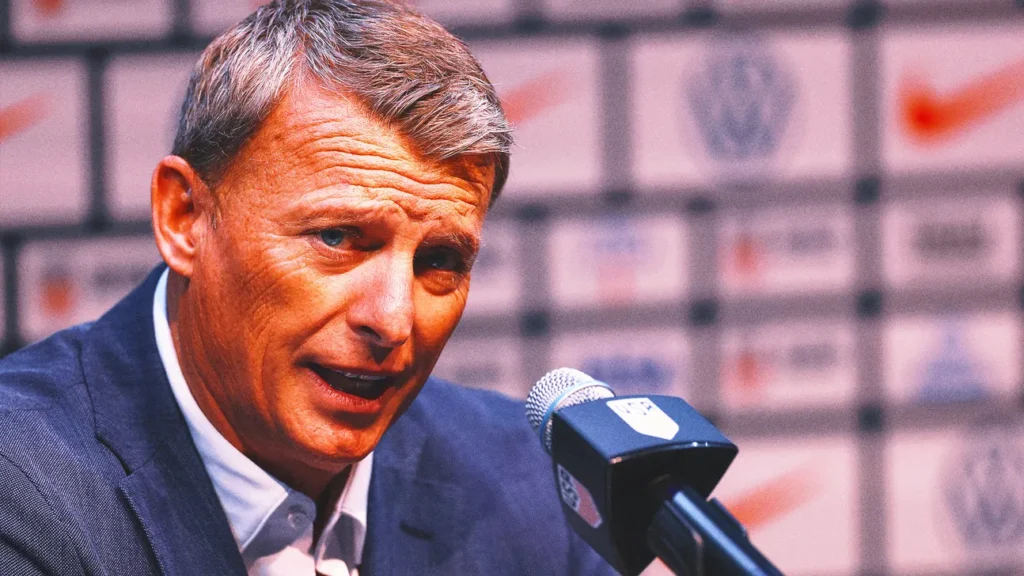
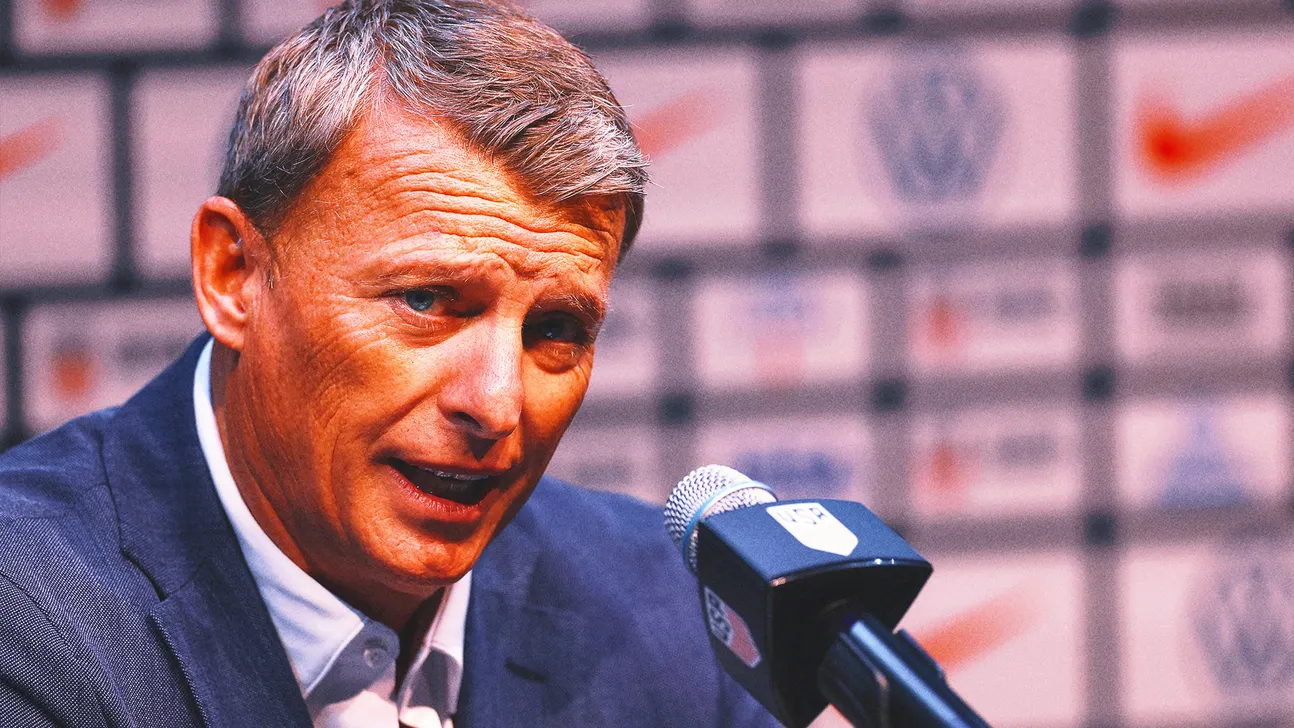
In a surprising development that has sent ripples through international football, U.S. Soccer sporting director Matt Crocker is set to leave his position to take up a senior role with the Saudi Arabian Football Federation—just weeks before the start of the 2026 FIFA World Cup. The timing of the move has raised eyebrows across the sport, as the United States prepares to co-host one of the most significant tournaments in its history.
Crocker’s departure, confirmed by multiple reports, comes less than two months before the World Cup kicks off in North America. The sudden leadership change has prompted questions about stability within U.S. Soccer at a critical moment.
A Sudden Exit at a Crucial Time
Having joined U.S. Soccer in 2023, Crocker played a central role in reshaping the organization’s sporting strategy. His responsibilities extended across all national teams, including youth development pathways and senior team leadership appointments.
His decision to step down now—reportedly to take on a similar leadership role in Saudi Arabia—has been described by insiders as unexpected, particularly given the proximity of the World Cup. Some sources even characterized the timing as “weird,” highlighting the unusual nature of such a move so close to a major tournament.
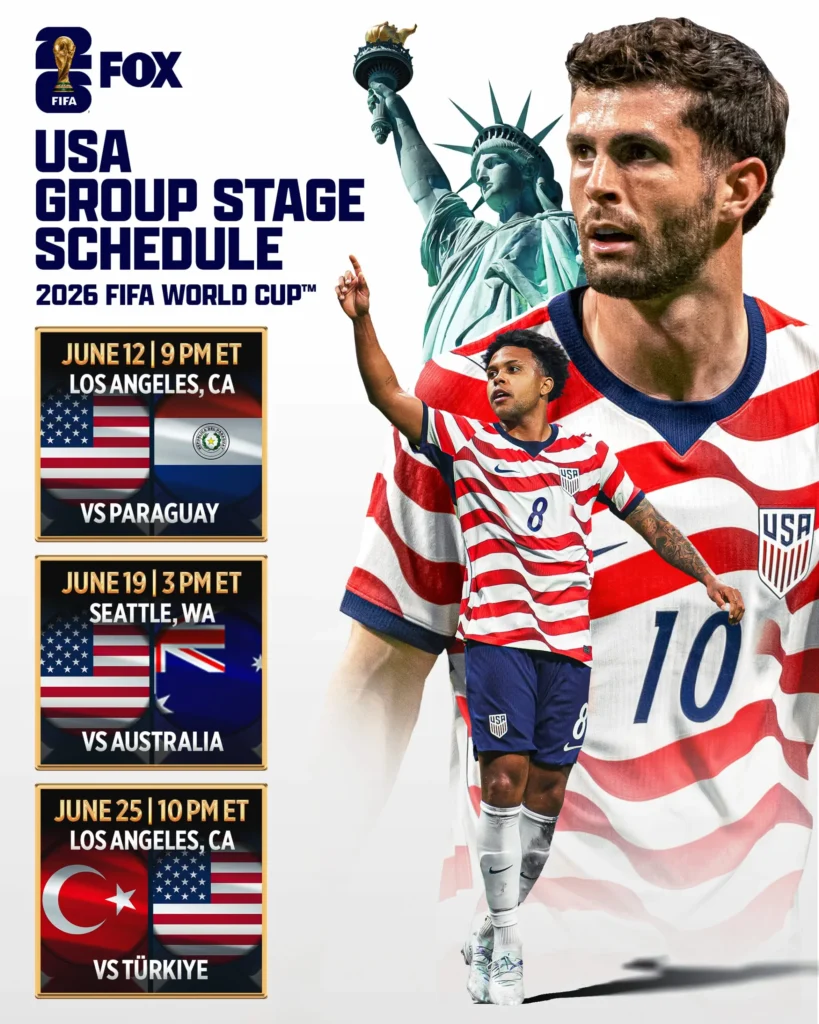
The United States is set to co-host the 2026 tournament alongside Canada and Mexico, making it a landmark event for the sport in the region. Crocker’s exit therefore comes at a moment when continuity and strategic clarity would typically be paramount.
Crocker’s Impact on U.S. Soccer
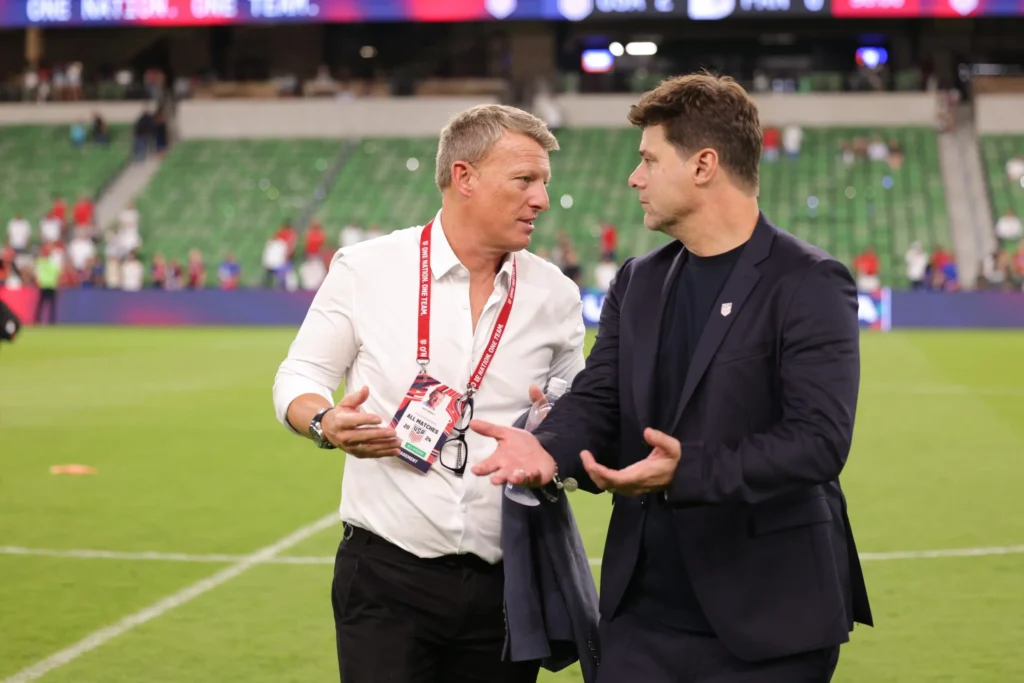
During his tenure, Crocker was instrumental in several high-profile decisions that shaped both the men’s and women’s national teams. Notably, he oversaw the hiring of Mauricio Pochettino as head coach of the U.S. men’s national team, a move widely seen as a statement of ambition.
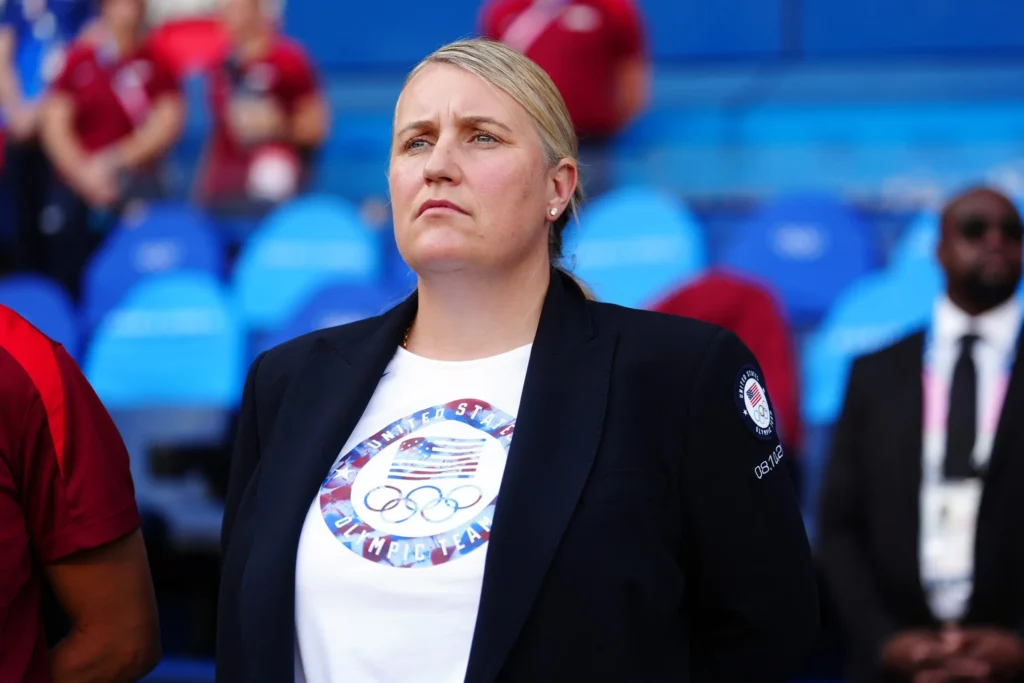
On the women’s side, he appointed Emma Hayes, who went on to lead the team to Olympic success and strengthen its position as a global powerhouse.
However, Crocker’s time in charge was not without controversy. His decision to rehire former coach Gregg Berhalter drew criticism and scrutiny, especially after the team’s underwhelming performance at the 2024 Copa América.
Despite mixed results, Crocker was widely credited with modernizing U.S. Soccer’s development structure and implementing long-term planning initiatives designed to align all levels of the game.
Transition Plans and Interim Leadership
In the wake of Crocker’s departure, U.S. Soccer has moved quickly to establish an interim leadership structure. Chief Operating Officer Dan Helfrich will oversee sporting operations, working alongside assistant sporting director Oguchi Onyewu and women’s development head Tracey Kevins.
Federation officials have expressed confidence that the transition will not disrupt World Cup preparations. Helfrich emphasized that the coaching staff and existing plans are already in place, suggesting that the team’s immediate focus remains unchanged.
Still, the absence of a permanent sporting director during such a critical period introduces an element of uncertainty. With final squad selections and tactical preparations underway, leadership cohesion will be essential in the coming weeks.
Reaction from the Soccer Community
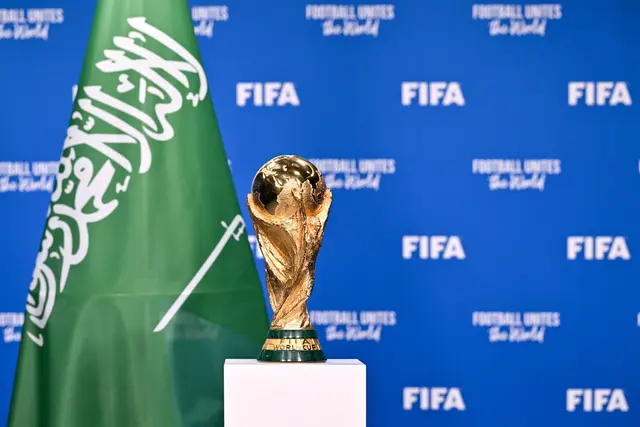
The reaction to Crocker’s exit has been mixed. Some observers view the move as an opportunistic career decision, particularly given Saudi Arabia’s increasing investment in global football. The kingdom has been aggressively expanding its influence in the sport and is set to host the 2034 FIFA World Cup, making it an attractive destination for top administrators.
Others, however, have criticized the timing. Former U.S. international Landon Donovan publicly questioned Crocker’s commitment, suggesting that leaving so close to the World Cup reflects poorly on his dedication to the program.
The debate underscores a broader tension between professional mobility and national responsibility, particularly in a sport where major tournaments carry immense symbolic and competitive weight.
Implications for the 2026 World Cup
Despite assurances from U.S. Soccer leadership, Crocker’s departure could have subtle but meaningful implications. While day-to-day coaching and player preparation are unlikely to be affected, the loss of a central decision-maker may impact strategic coordination behind the scenes.
The U.S. men’s national team, under Pochettino, has shown flashes of promise but remains inconsistent, with a record that reflects both progress and lingering challenges.
As the host nation, expectations will be high—not only in terms of performance but also organizational excellence. Any disruption, even at the administrative level, will be closely scrutinized by fans and media alike.
Looking Ahead
U.S. Soccer has indicated that a search for Crocker’s successor will begin immediately, with both domestic and international candidates under consideration.
Meanwhile, Crocker’s move to Saudi Arabia signals another step in the country’s broader strategy to elevate its football profile on the global stage. His experience in player development and organizational restructuring is expected to play a key role in shaping Saudi football’s future.
For U.S. Soccer, the priority now is clear: maintain focus, ensure continuity, and deliver a strong performance on home soil. Whether Crocker’s departure proves to be a minor distraction or a significant turning point will ultimately be determined on the pitch in the summer of 2026.